
Developed to increase user comfort and, as a result, to comply with demanding consumer protection regulations.
| Weight | Code | |
|---|---|---|
| Universal | 250 g | 12011 |
| Universal | 1 kg | 12012 |
| Fibreglass | 250 g | 12014 |
| Fibreglass | 1 kg | 12020 |
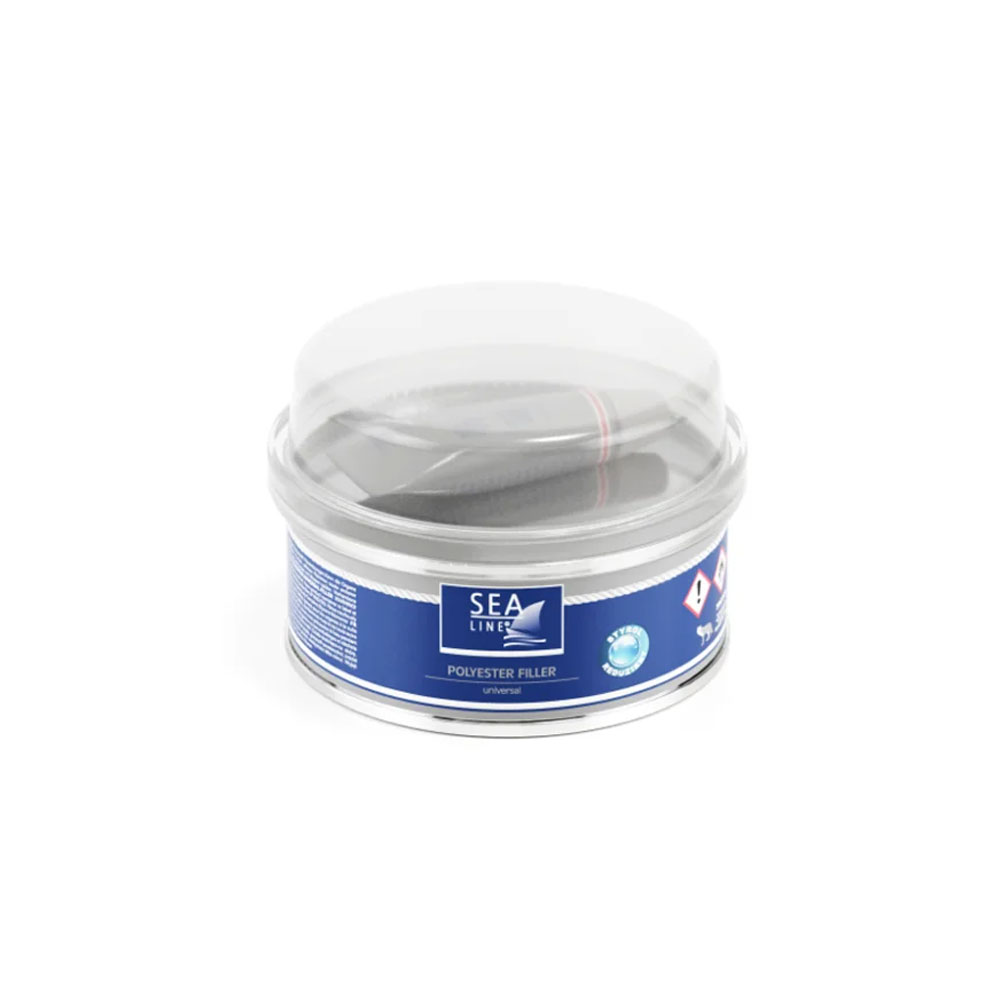
Manually:
| Type | GRP laminates, wood, steel, aluminum |
| Place | Above waterline |
| Function | Fast repairs |
| Application | Putty knife |
| Pot life – 20°C | 3-5 min |
| Hardening time 20°C | 20 ± 30 min |
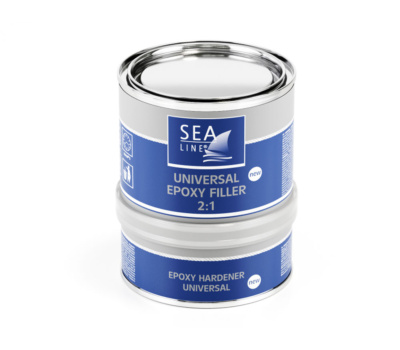
Epoxy fillers are primarily the only fillers recommended for use on hull components constantly immersed
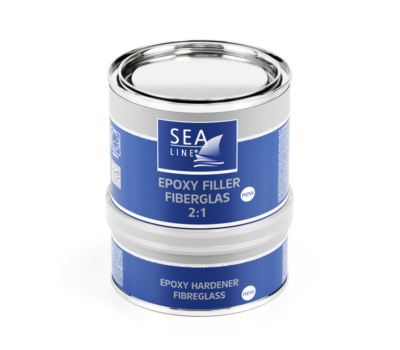
Epoxy fillers, including fiberglass filler, are primarily the only fillers truly recommended for use both
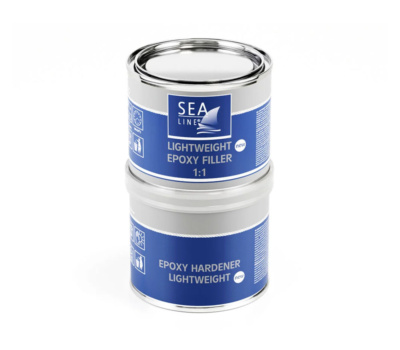
Recommended for large areas due to low own weight
We do not sell retail. Our products can be found in many stores in Poland and abroad. Our distributors run stationary and online stores. The full list of distributors and contacts can be found on our website at the following link click here.
Troton Sp z o.o.
78-120 Gościno
Ząbrowo 14A
Polska
Sąd Rejonowy w Koszalinie IX Wydz. KRS 0000187692;
Kapitał zakładowy 8 215 000 PLN


 Facebook
 YouTube
 Instagram
 Guide
Guide Contact
 Newsletter