Wyszukaj na stronie

Yacht Elem – legend is back

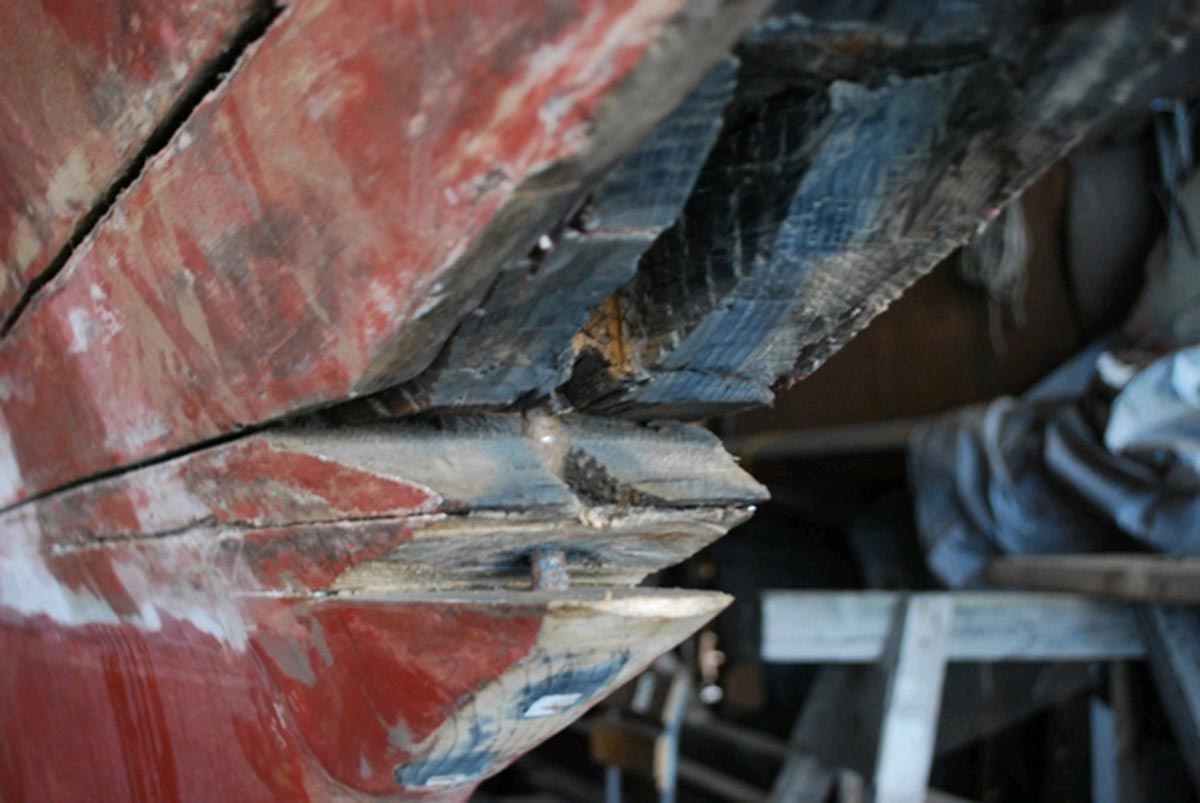
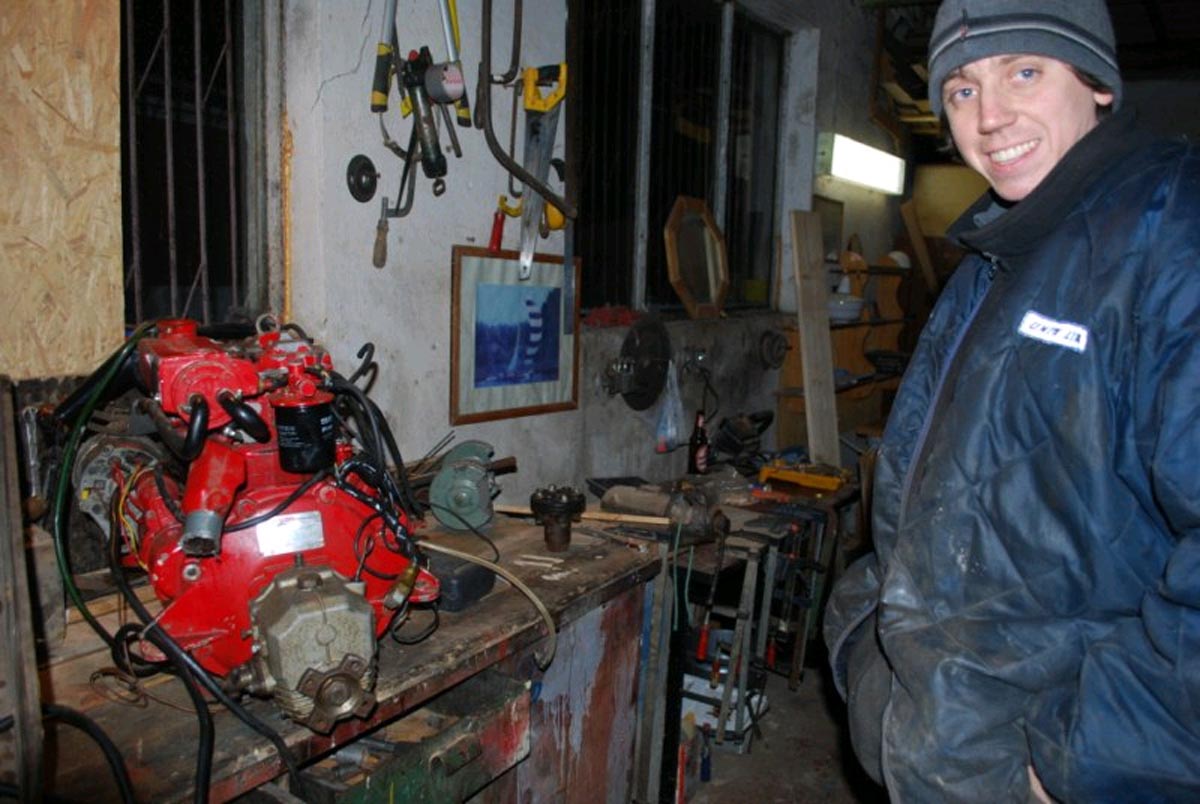
“In cooperation with the company Troton – the brand owner Sea-Line® are assembled and renewed bulkheads, which had to be dismantled to replace the shell of the boat.

Thanks to the support and availability of their products Sea-Line®, Troton greatly contributes to the restoration unit of the former splendor. ”

Michał Kozłowski
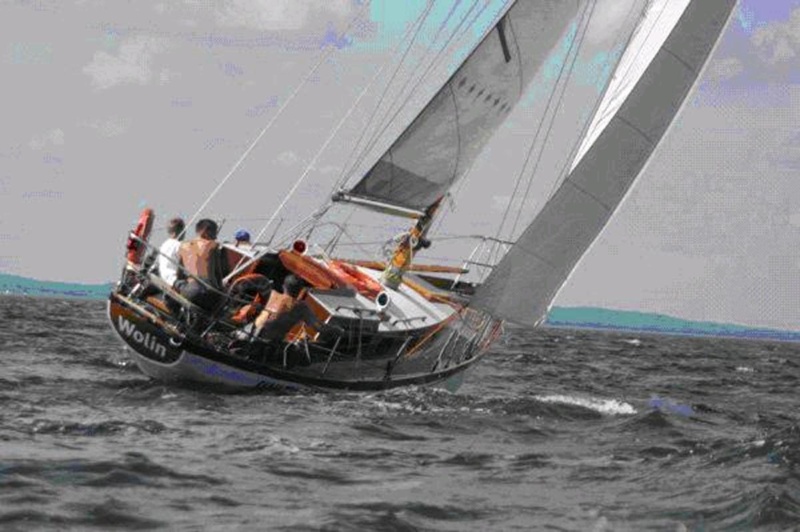
Yacht Elem – legend is back

Warning: Undefined variable $gallery_style in /home/klient.dhosting.pl/troton/sea-line.eu/public_html/wp-content/themes/Sea-Line/functions.php on line 172

Warning: Undefined variable $gallery_style in /home/klient.dhosting.pl/troton/sea-line.eu/public_html/wp-content/themes/Sea-Line/functions.php on line 172
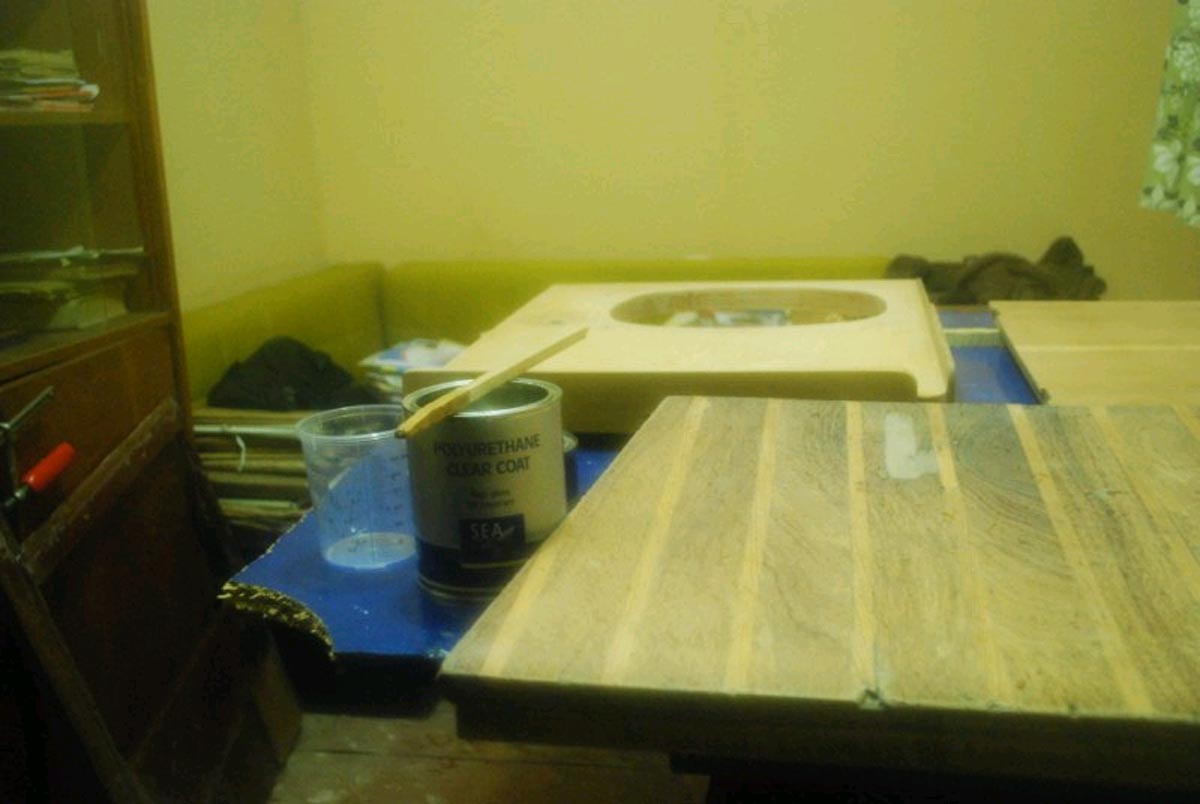
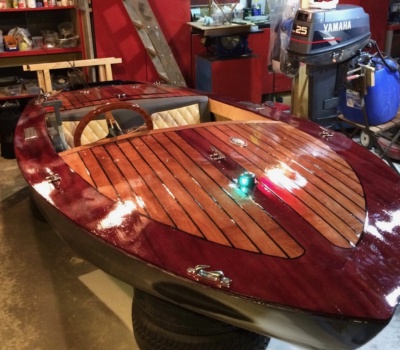
  • greting gotowy do lakierowania
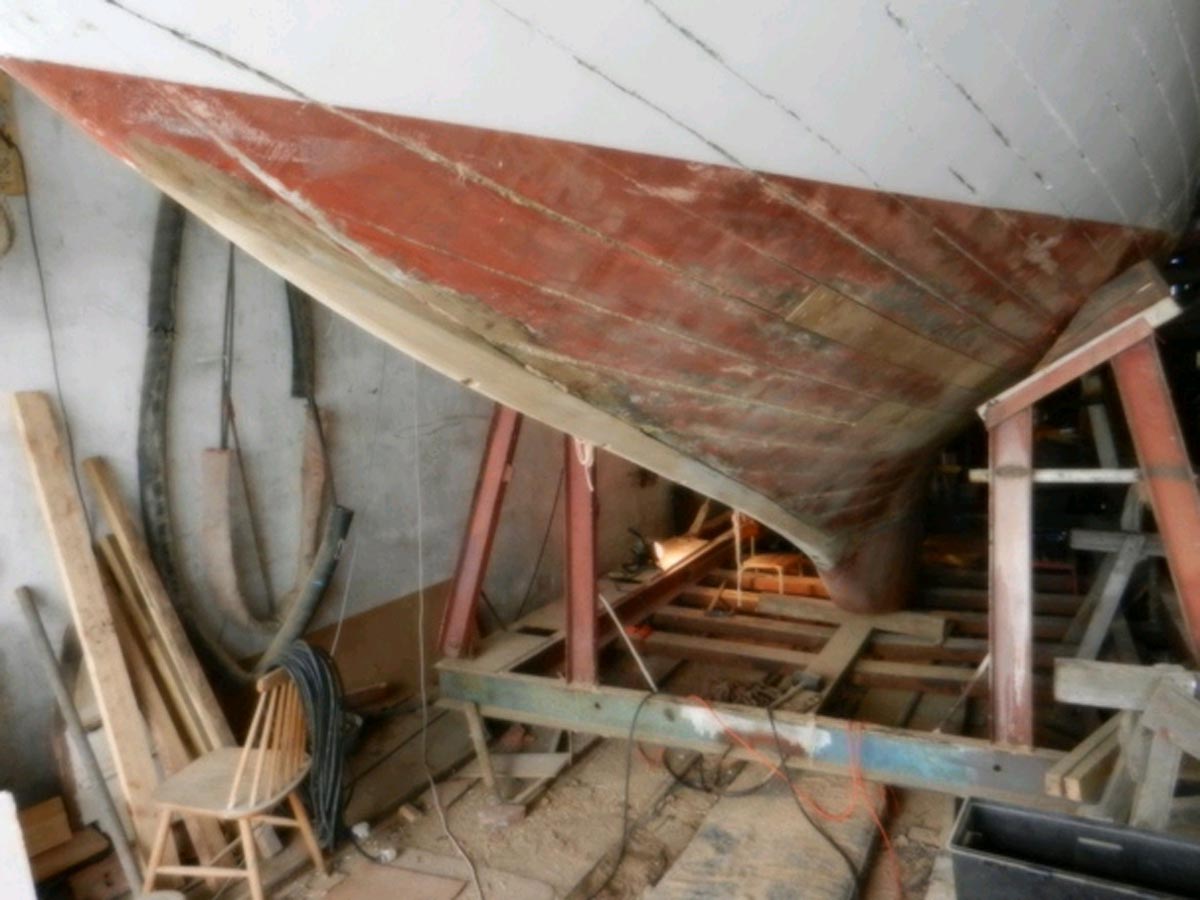
  • jacht po wymianie stewy dziobowej
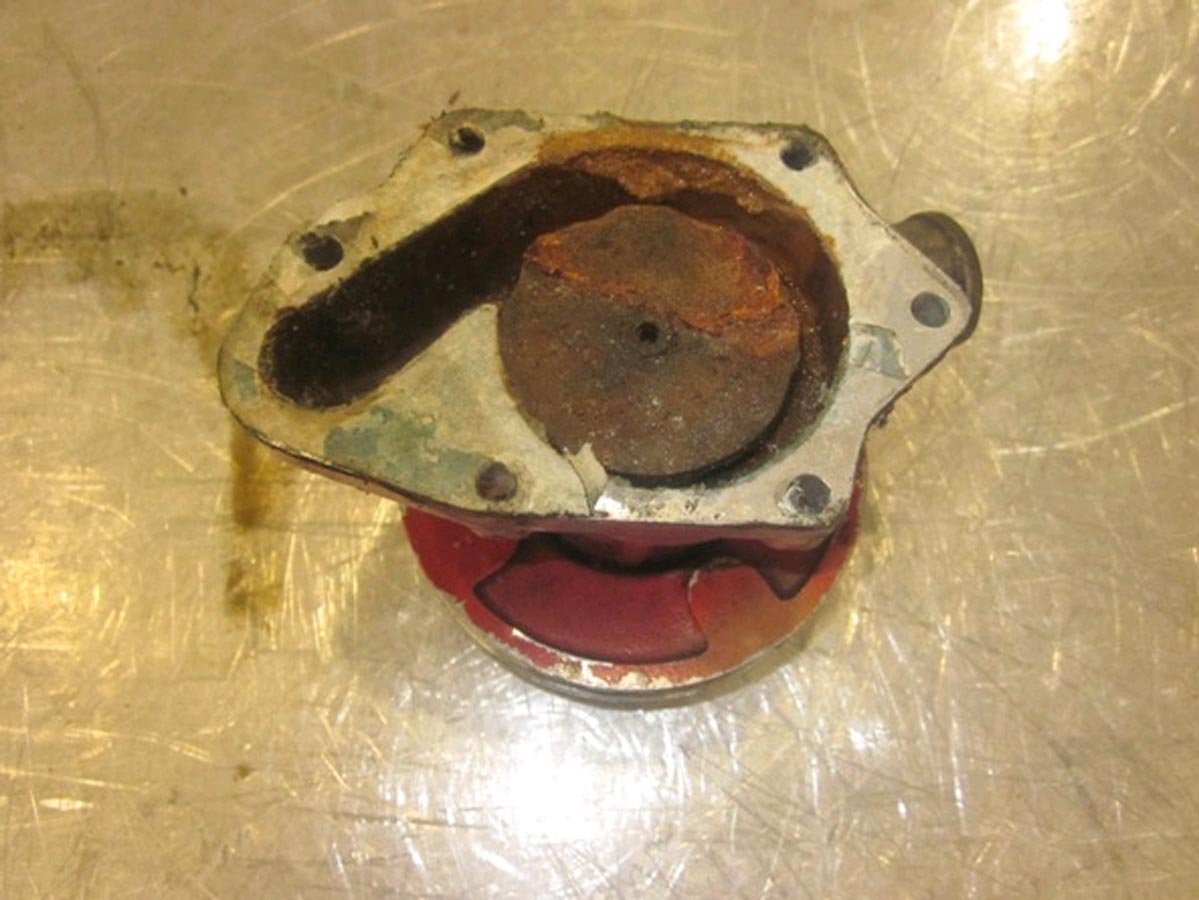
  • pompa wody
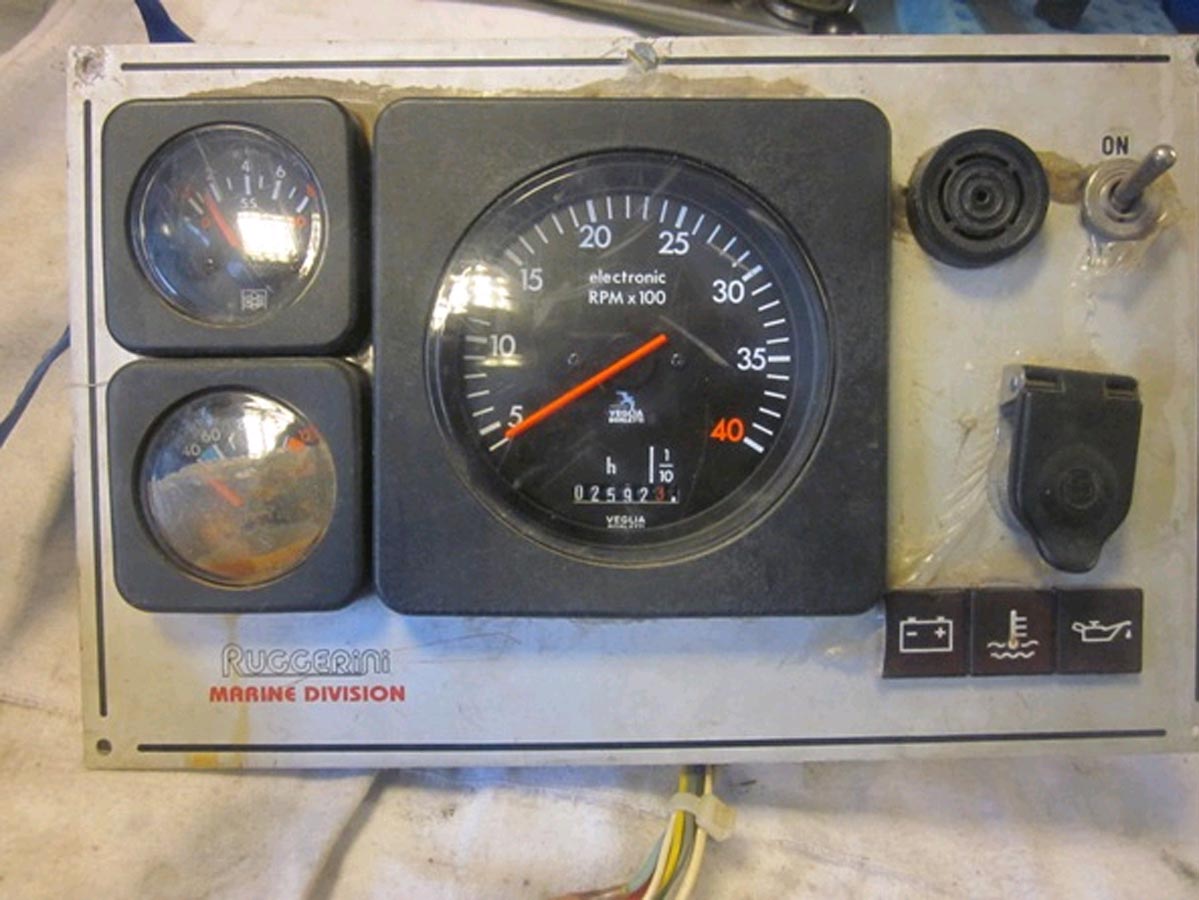
  • tablica sterowania silnikiem
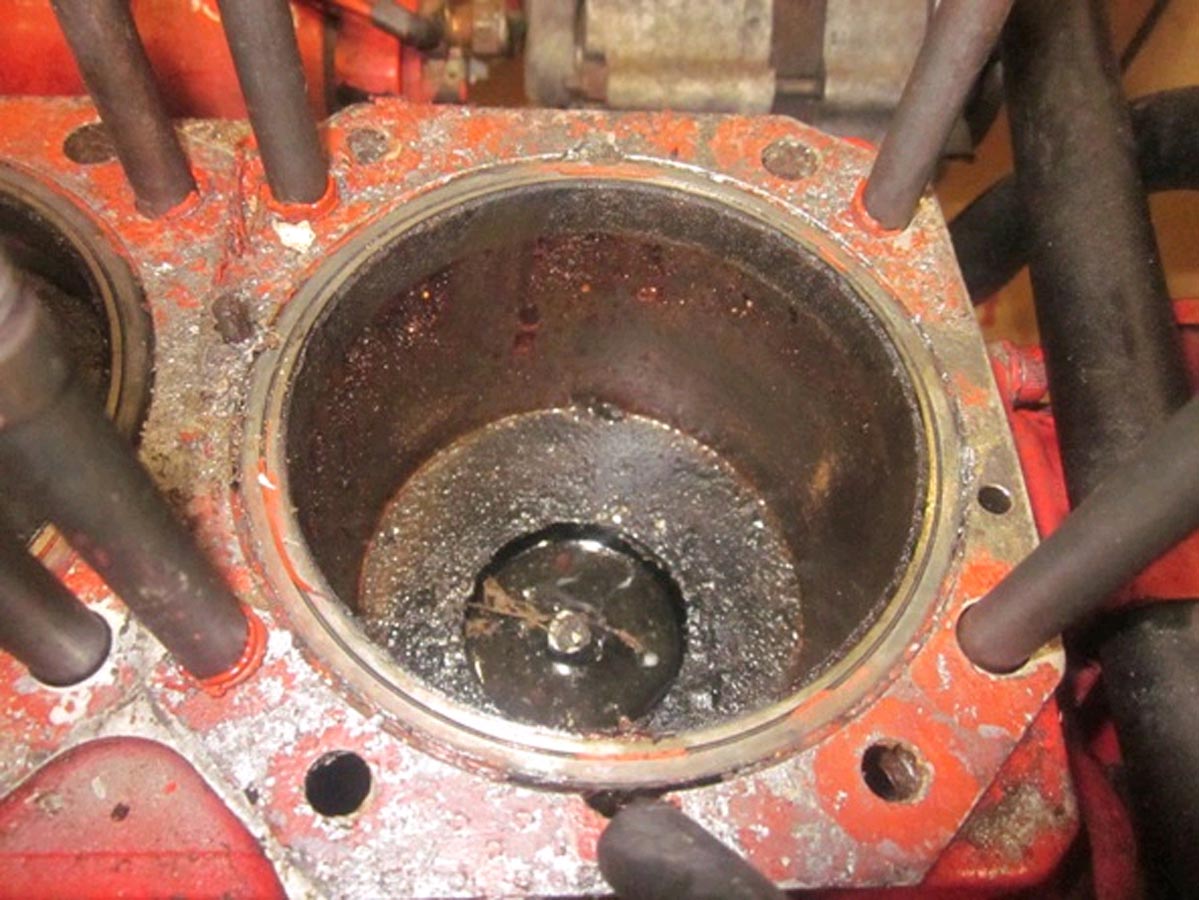
  • tuleja cylindrowa
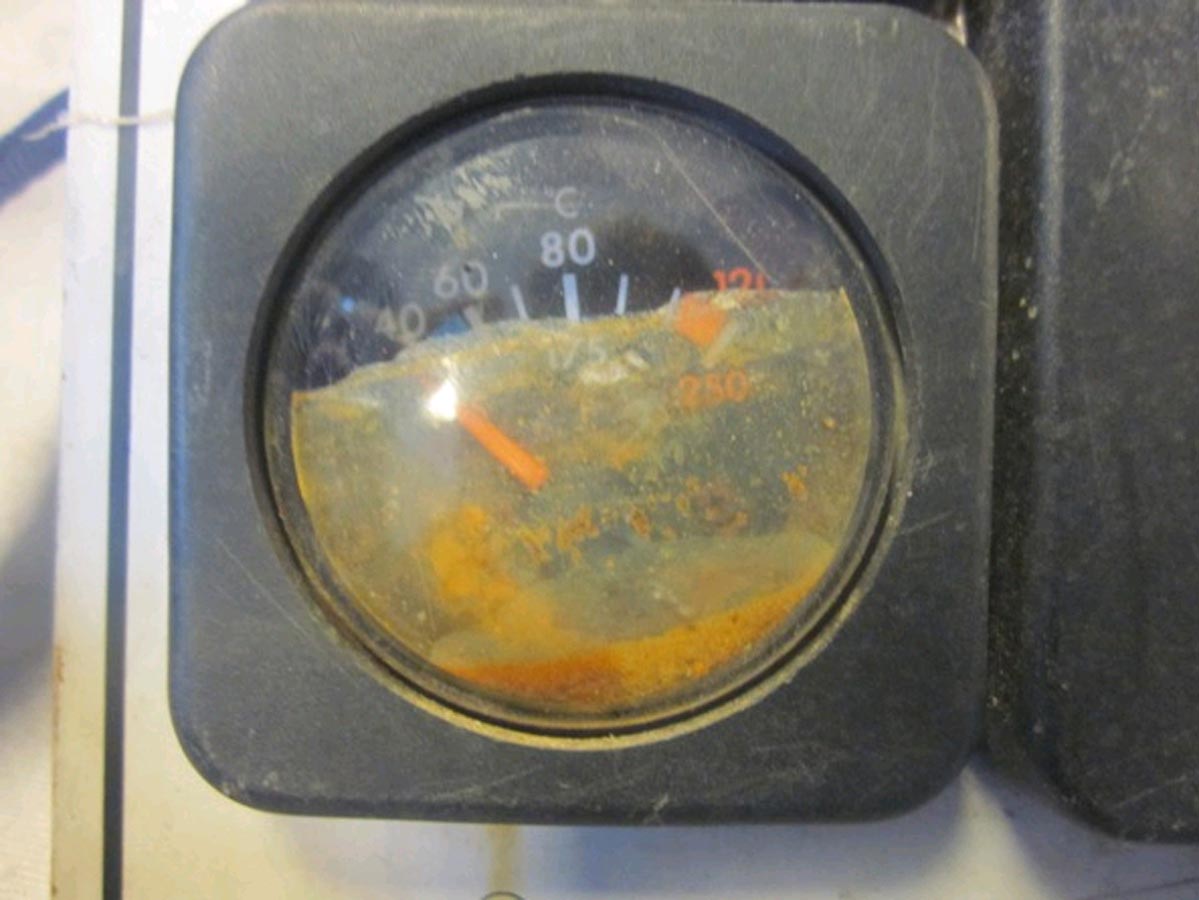
  • uszkodzony wskaznik temperatury wody chlodzacej
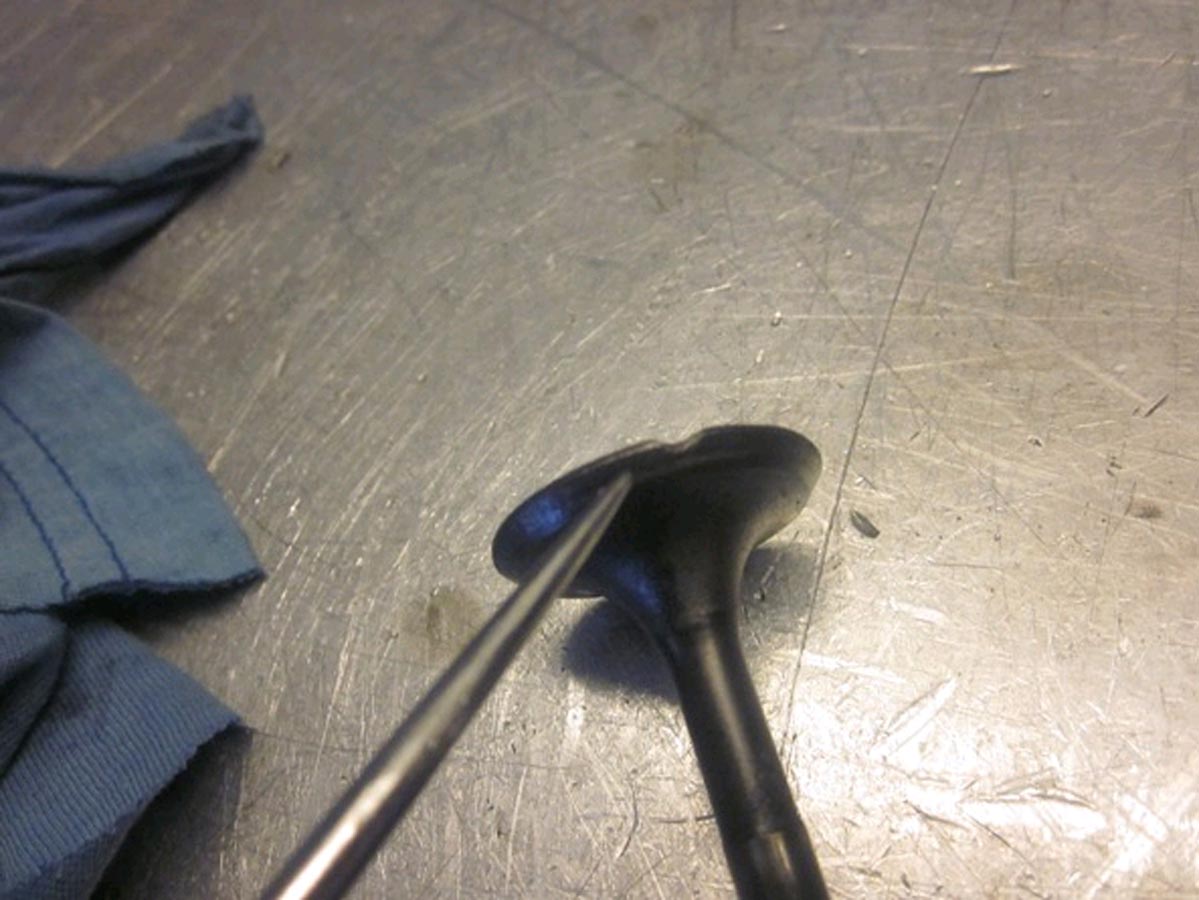
  • uszkodzony zawor wydechowy
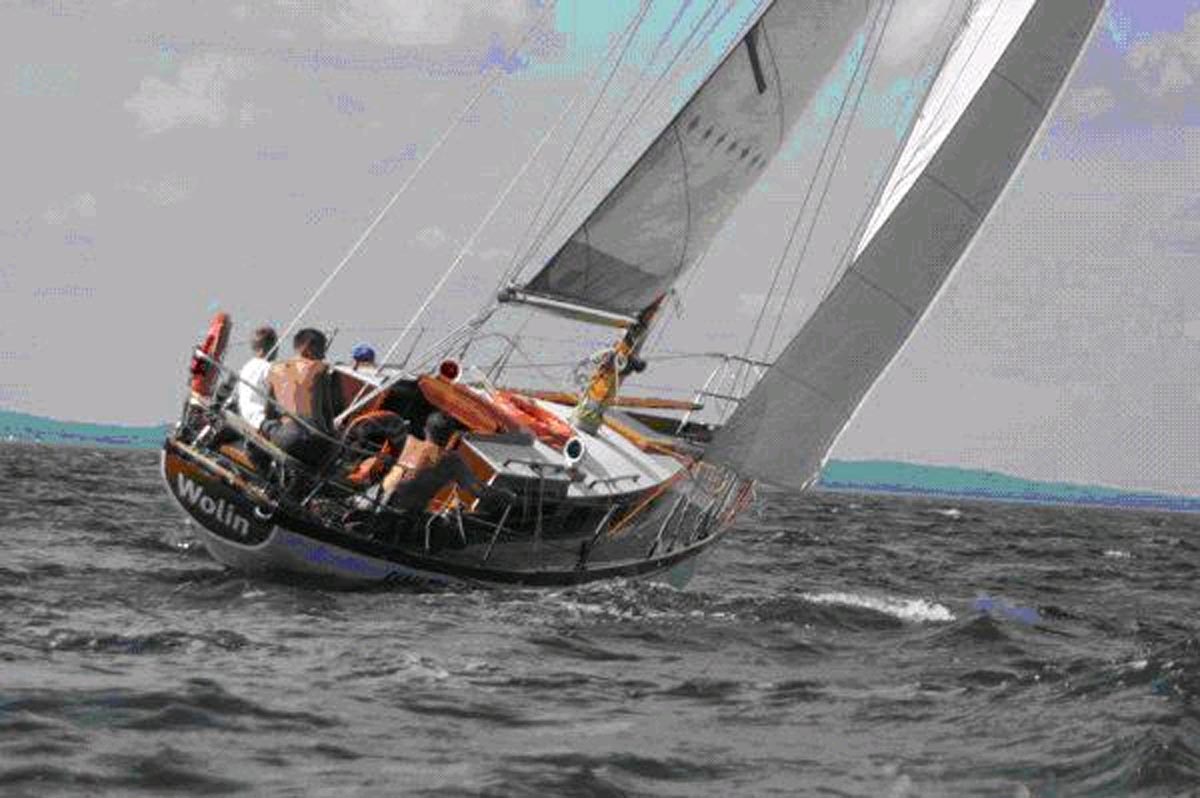
  • wolin
  • ????????????????????????????????????
  • zdemontowany silnik

Do you have questions about "Yacht Elem – legend is back"

    Also check

    Our FAQ answers to frequently asked questions

    Why despite the use of antifouing paint the bottom of the boat is overgrown?

    Possible causes

    • Too thin layer of antifouling paint,
    • Choosing the wrong antifouling to type of a boat or yacht
    • Thinning of antifouling paint,
    • Incorrect surface preparation before antifouling application.

    How to prevent

    • Apply the right layer thickness of paint indicated by manufacturer,
    • Choose antifouling dedicated to type of boat or yacht and suitable for the type of water,
    • Do not thin antifouling because of the risk of reducing effectiveness,
    • Careful surface preparations (grinding, clearing, degreasing),

    How to remove

    • Wet grinding, apply new layers of antifouling paint.
    • Use C1 shell and fouling remover.

    Can I use universal thinner?

    We do not recommend using universal thinners. The use of a thinner with an unknown composition may result in loss of adhesion, lack of proper flow of paint and varnish defects.

    Why the epoxy filler does not harden?

    Possible causes

    • Incorrect proportion of base and herdener,
    • Too low temperature of ambient and surface (less than 10ﹾC),
    • Mixing two components from two different manufacturers,

    How to prevent

    • Apply the correct proportions of components
    • Maintain steady temperature (around 20ﹾC) during the whole hardening process,
    • Use base and hardener from the same manufacturer

    How to remove

    • The uncured mass requires complete removal from the surface.
    Wyjście
    Przeiń na górę