Wyszukaj na stronie

MAK 707

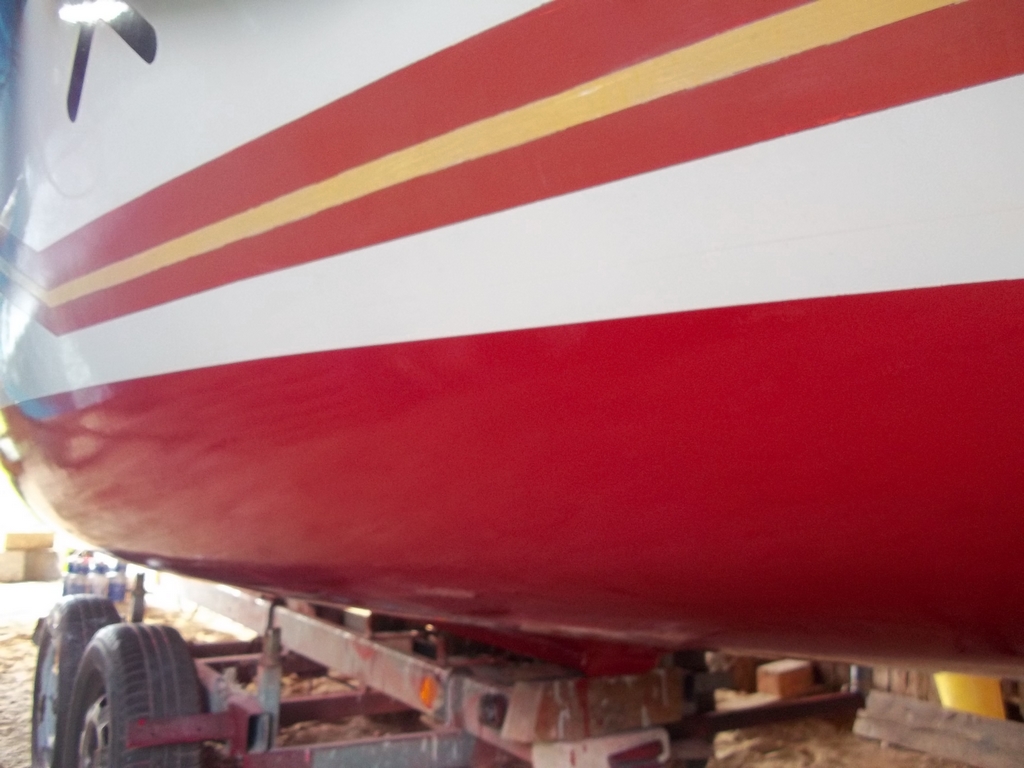
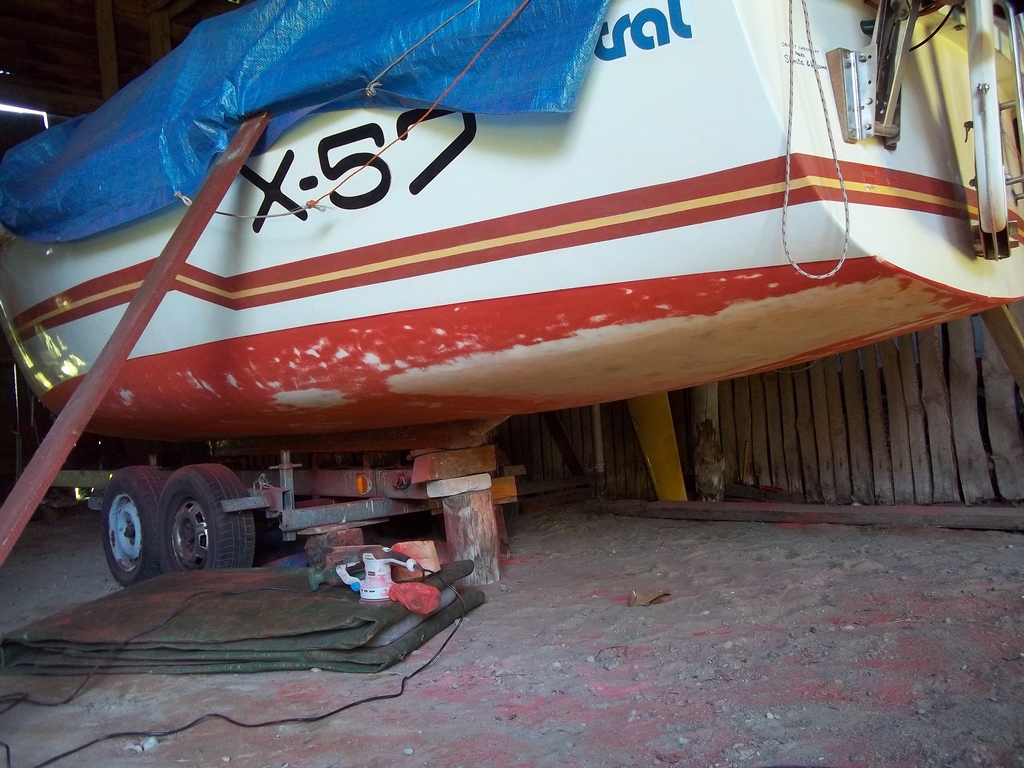
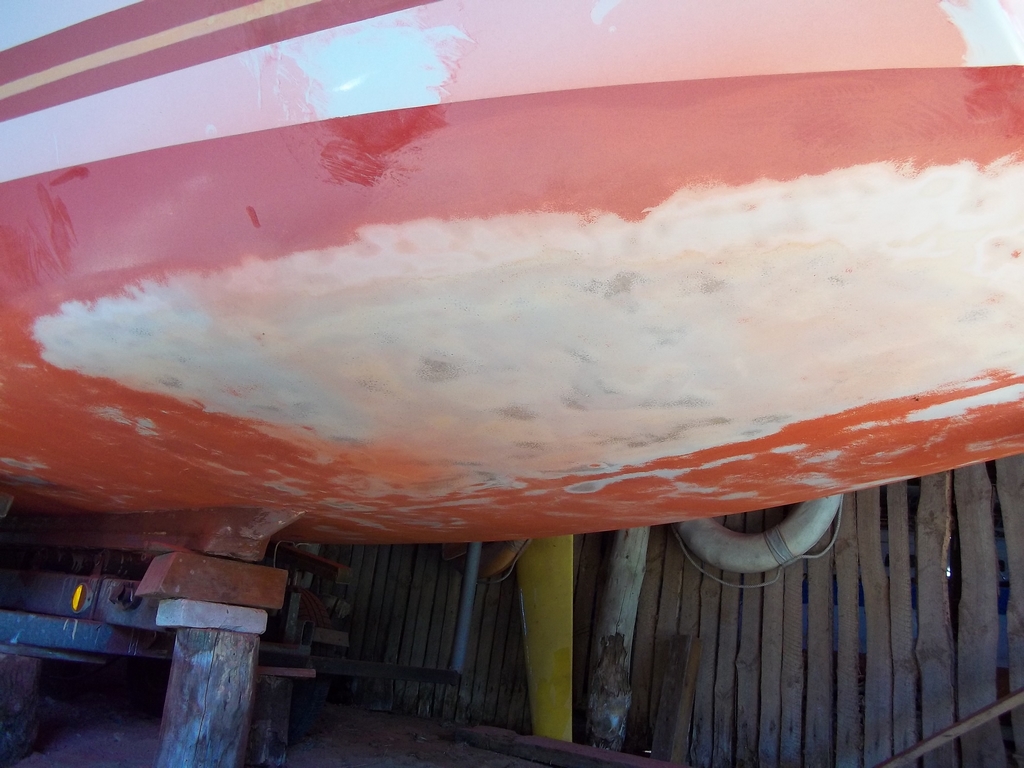
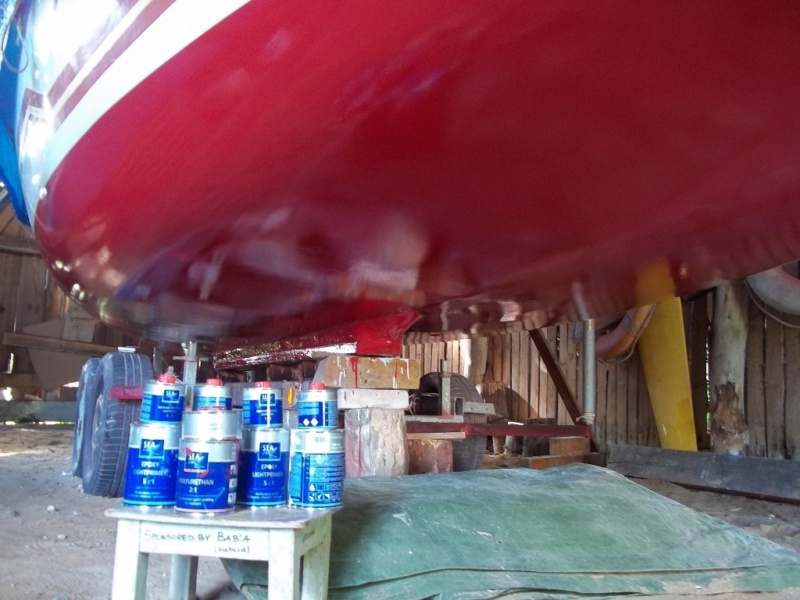
„…  It was not easy,  hard job on knees with mask and glasses. Feeling like 40 years ago during military trainings.

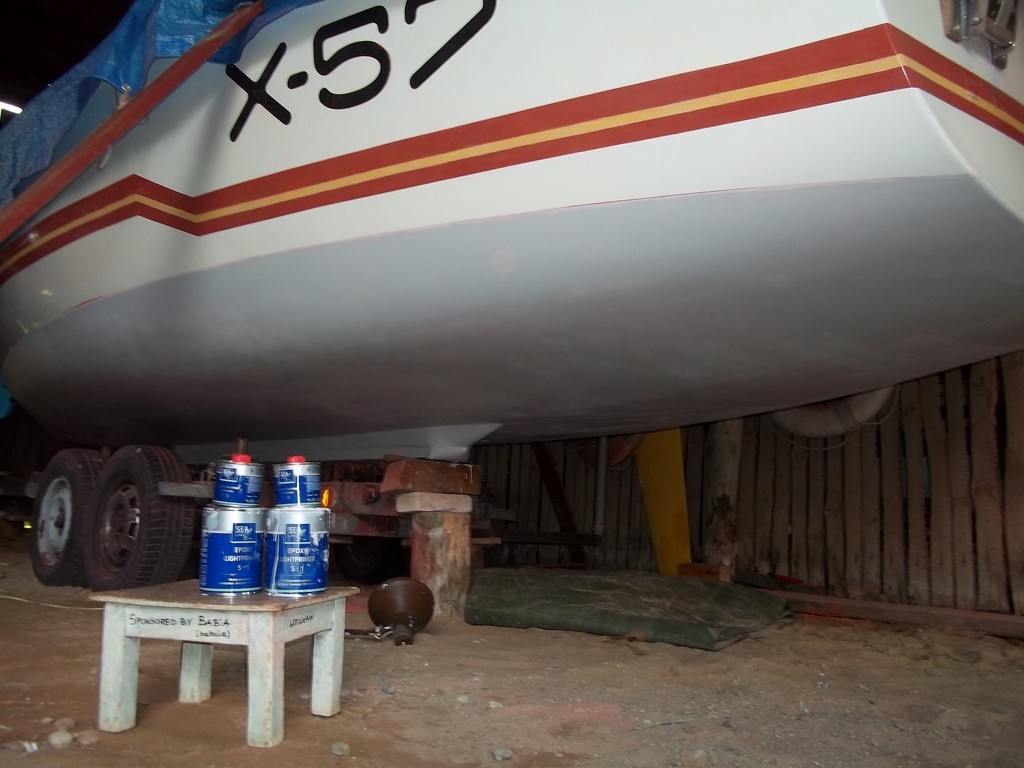
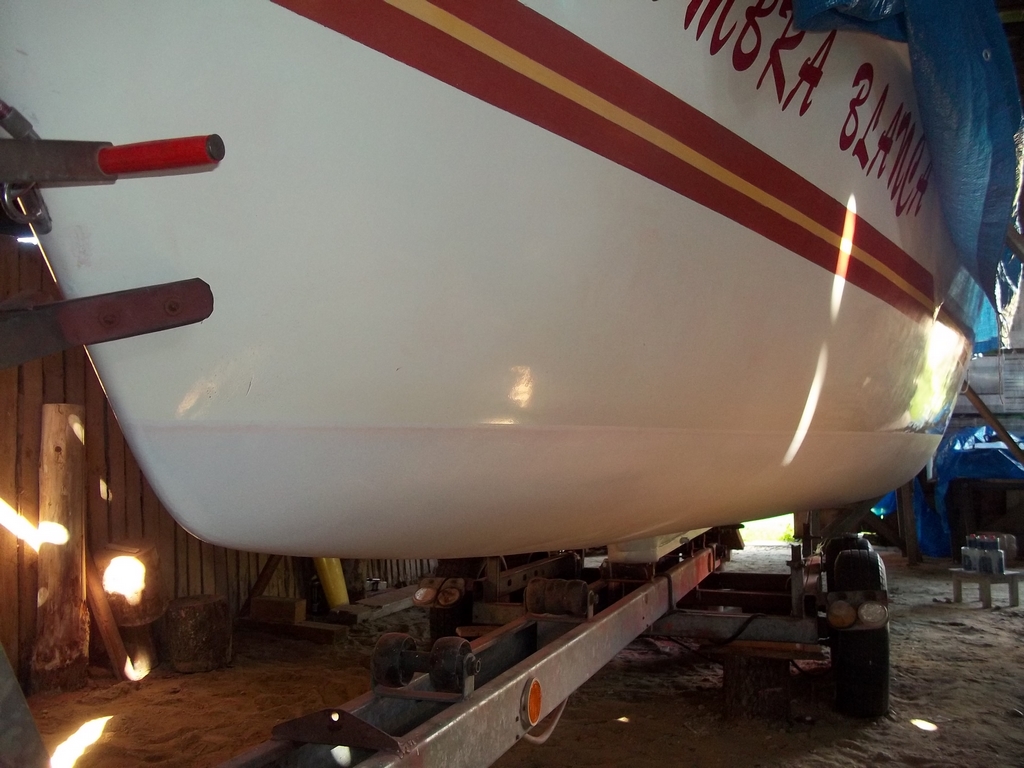
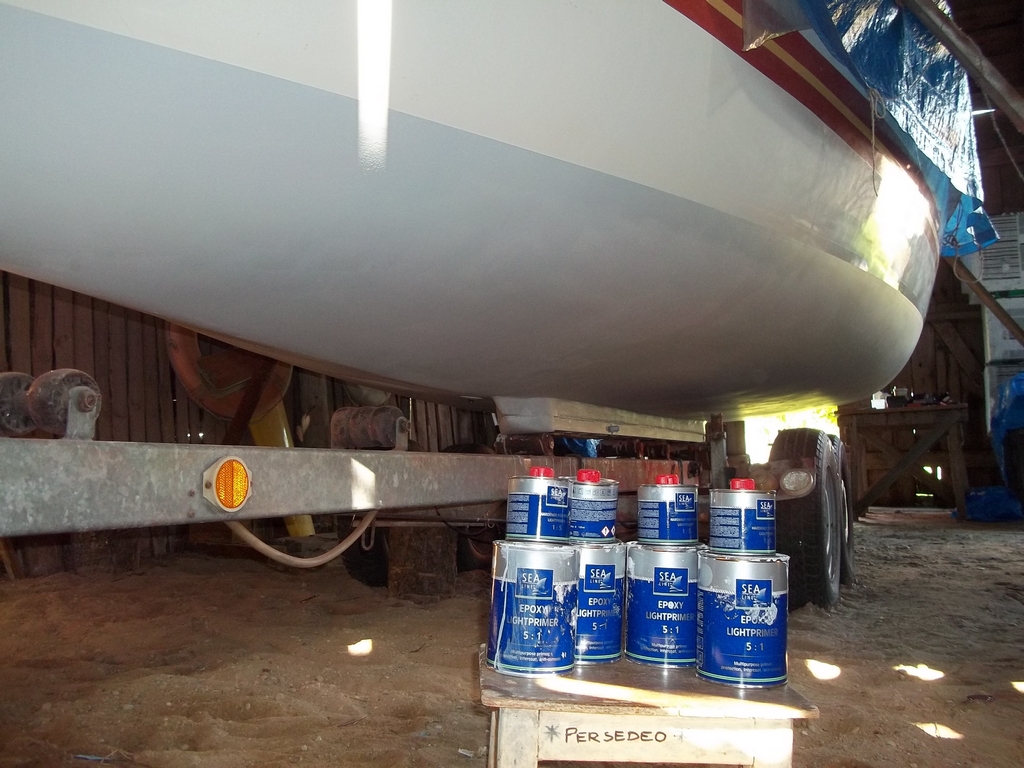
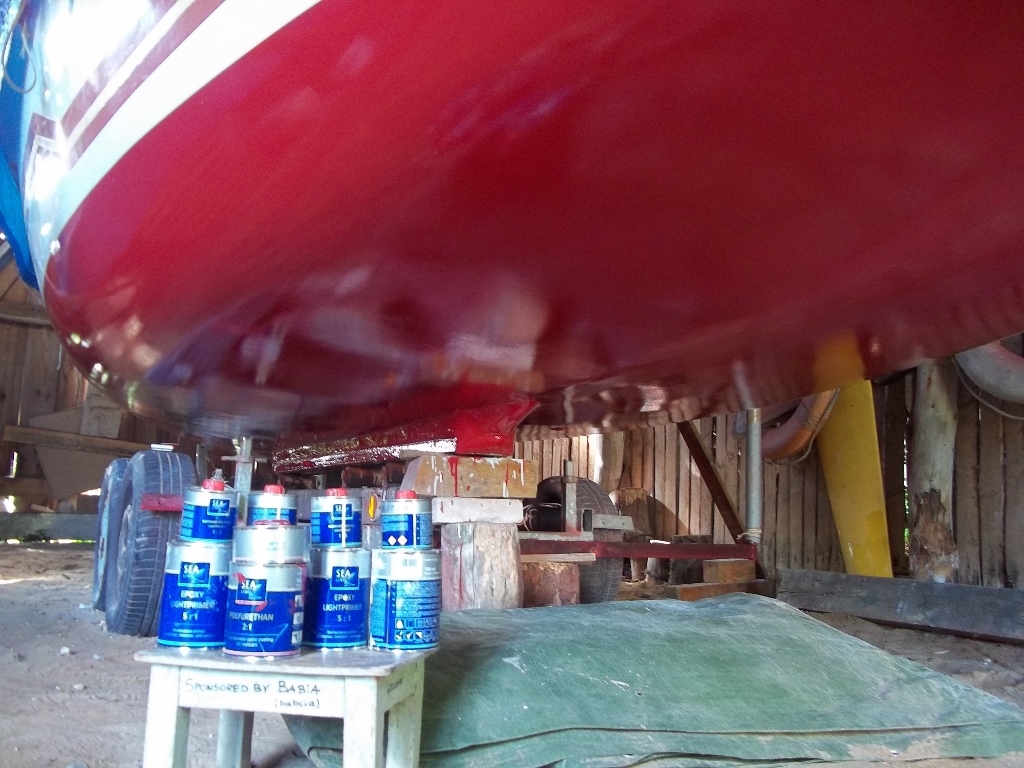
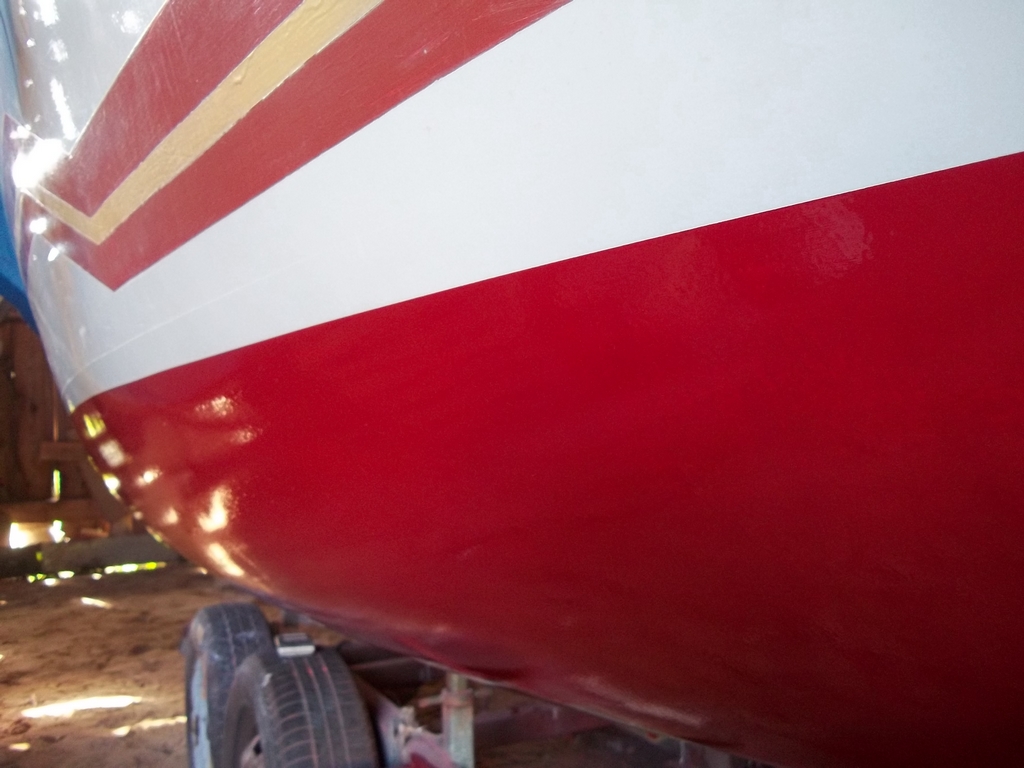
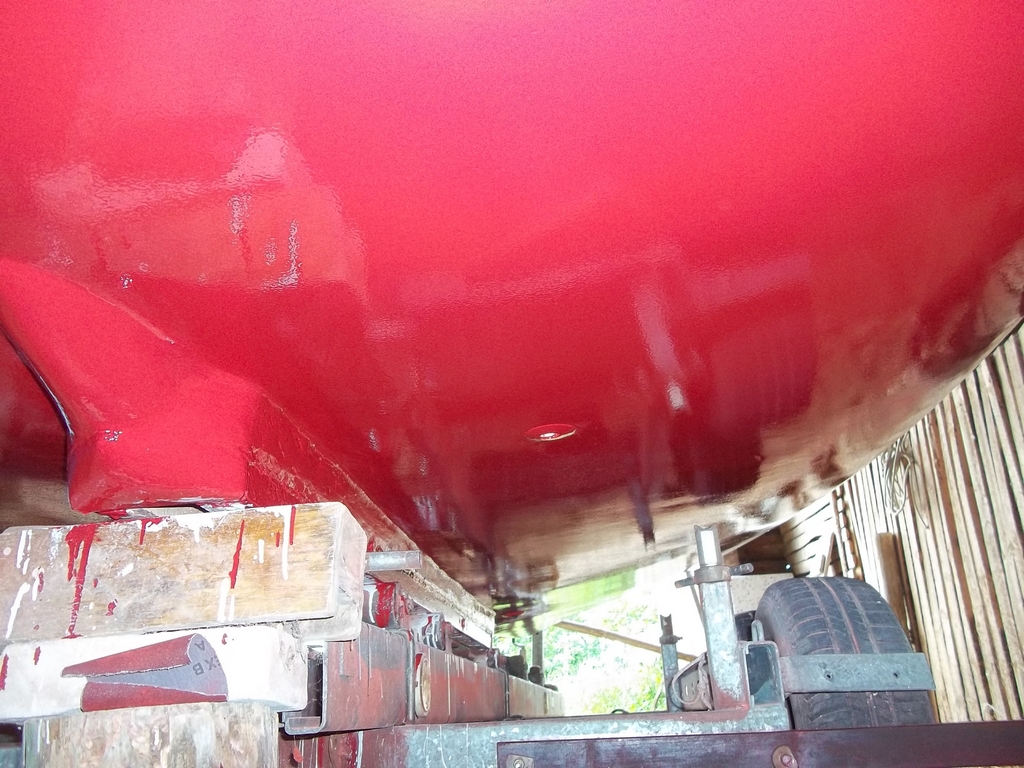
Sea-line products (as most of modern paints) let’s amatours for quiet good application. Now my yacht Sombra Blanca has best bottom on the world. In few weeks I’m going to be back on the water”

Witold /Wrocław
MAK 707

Warning: Undefined variable $gallery_style in /home/klient.dhosting.pl/troton/sea-line.eu/public_html/wp-content/themes/Sea-Line/functions.php on line 172

Warning: Undefined variable $gallery_style in /home/klient.dhosting.pl/troton/sea-line.eu/public_html/wp-content/themes/Sea-Line/functions.php on line 172
  • podklad lightprimer sea line
  • podklad lightprimer sea line warstwa
  • podklad lightprimer sea line warstwa
  • polyurethan sea line warstwa
  • polyurethan sea line warstwa
  • polyurethan sea line warstwa
  • polyurethan sea line efekt finalny
  • polyurethan sea line efekt finalny
  • szlifowanie przed malowaniem farbami sea line
  • szlifowanie przed malowaniem farbami sea line
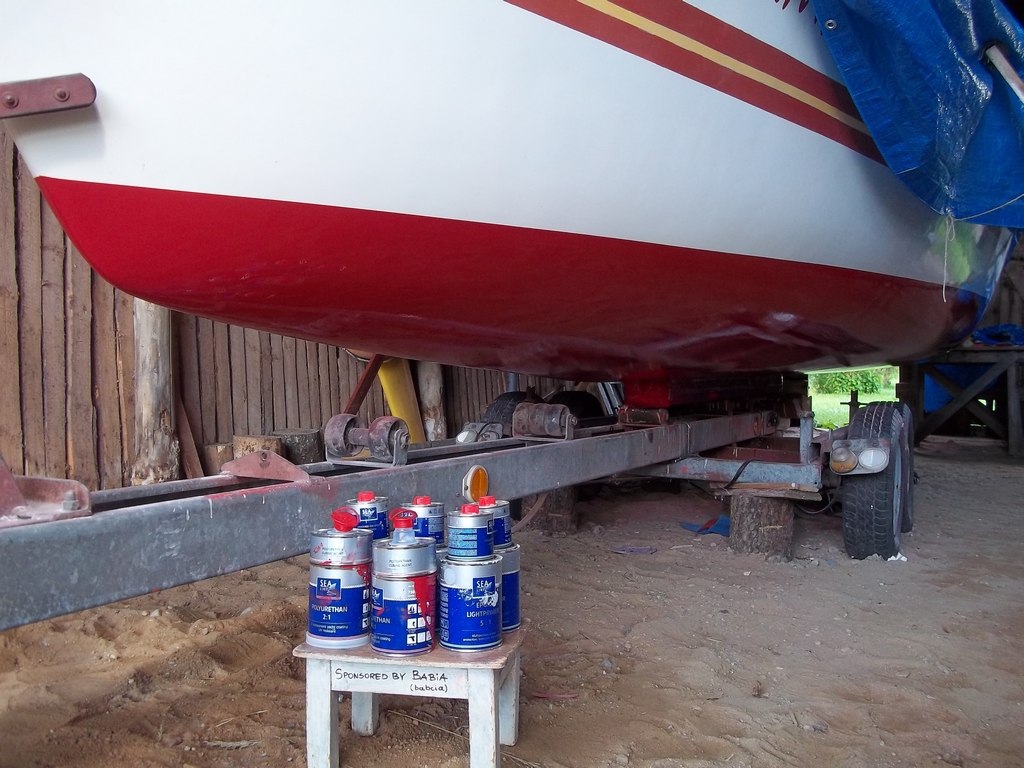
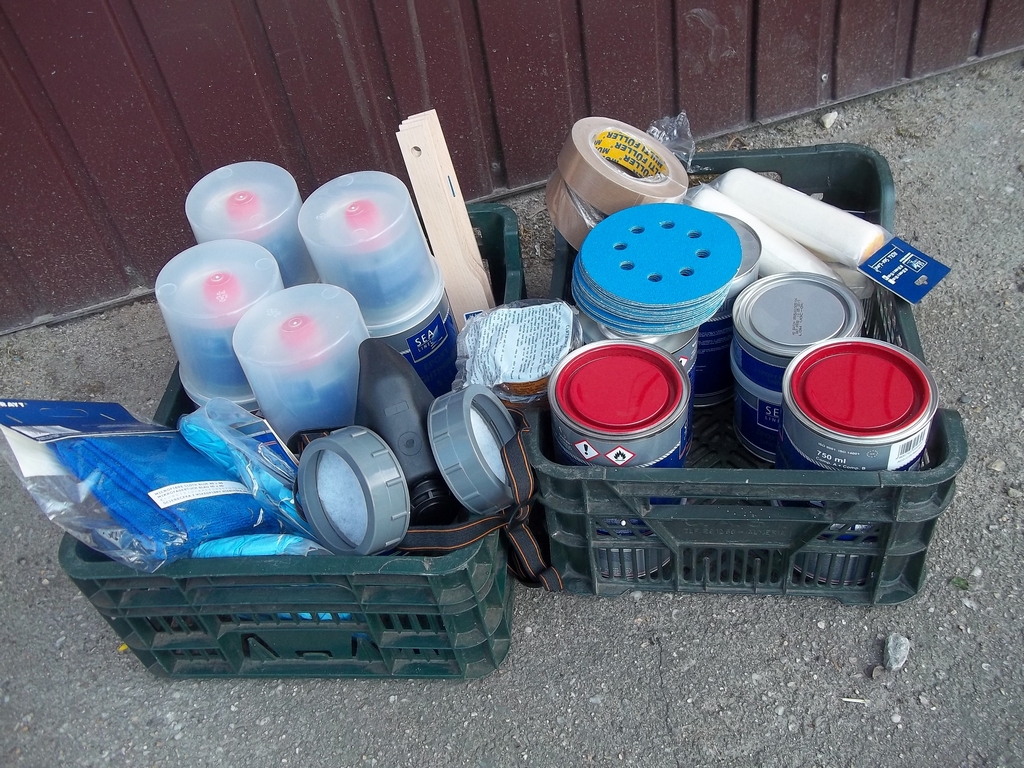
  • zestaw farb sea line

Do you have questions about "MAK 707"

    Also check

    Our FAQ answers to frequently asked questions

    Can I paint a boat, previously painted with 1 component paint, with polyurethane?

    It is not recommended to apply 2K paints over 1K paints. 1K and 2K inks differ in their composition and properties, including hardness, chemical resistance and durability. 1K paints are one-component and dry by evaporating the solvent, while 2K paints are two-component and need to be cured by adding a hardener. Applying 2K paint over 1K paint can cause unpredictable chemical reactions and lead to undesirable effects such as dulling, chipping or flaking of the paint. Therefore, always use paints according to the manufacturer’s instructions and do not mix different types of paints. farby zgodnie z instrukcjami producenta i nie mieszać różnych rodzajów farb.

    Why despite the use of antifouing paint the bottom of the boat is overgrown?

    Possible causes

    • Too thin layer of antifouling paint,
    • Choosing the wrong antifouling to type of a boat or yacht
    • Thinning of antifouling paint,
    • Incorrect surface preparation before antifouling application.

    How to prevent

    • Apply the right layer thickness of paint indicated by manufacturer,
    • Choose antifouling dedicated to type of boat or yacht and suitable for the type of water,
    • Do not thin antifouling because of the risk of reducing effectiveness,
    • Careful surface preparations (grinding, clearing, degreasing),

    How to remove

    • Wet grinding, apply new layers of antifouling paint.
    • Use C1 shell and fouling remover.

    Why the epoxy filler does not harden?

    Possible causes

    • Incorrect proportion of base and herdener,
    • Too low temperature of ambient and surface (less than 10ﹾC),
    • Mixing two components from two different manufacturers,

    How to prevent

    • Apply the correct proportions of components
    • Maintain steady temperature (around 20ﹾC) during the whole hardening process,
    • Use base and hardener from the same manufacturer

    How to remove

    • The uncured mass requires complete removal from the surface.
    Wyjście
    Przeiń na górę