Wyszukaj na stronie

Polyester repair kit

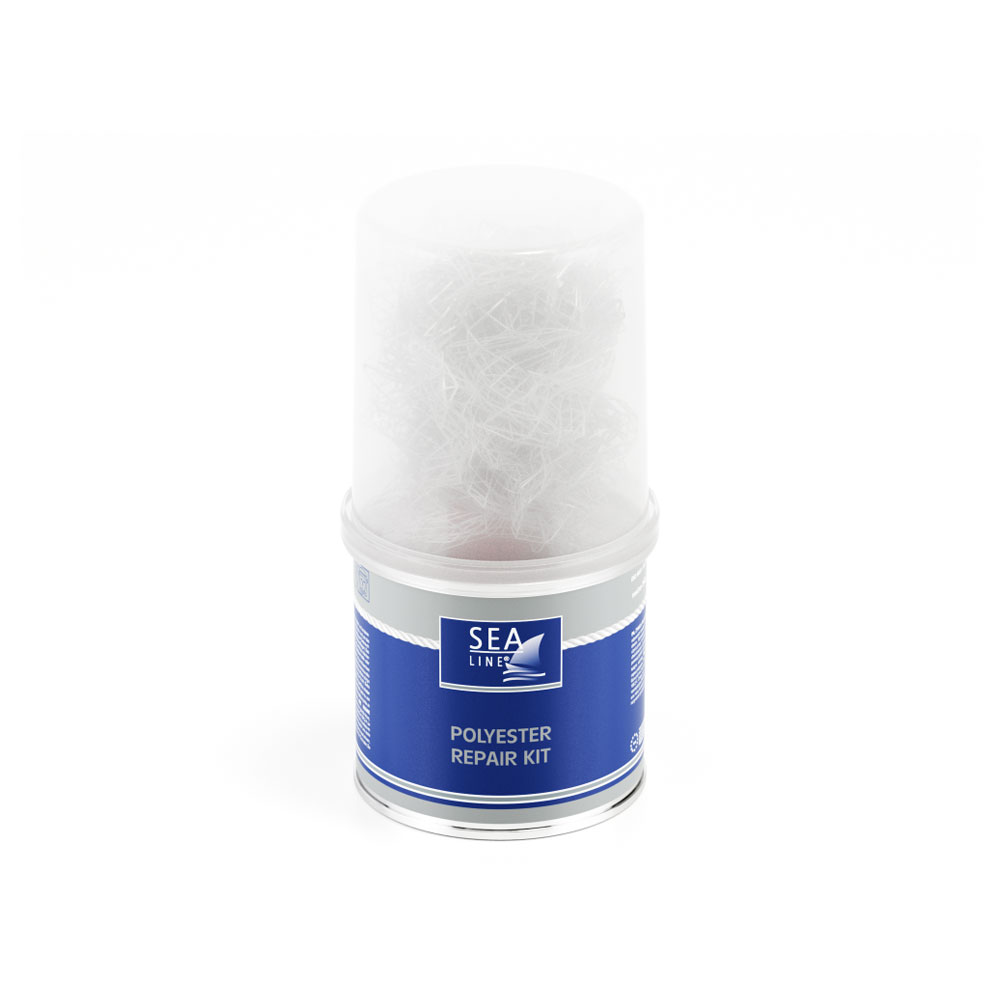
The polyester repair kit includes polyester structural resin along with fiberglass mat.

Sea-Line® polyester resin combined with fiberglass mat is used for manual repairs, recommended for laminating, reinforcing surfaces, patching holes – especially in situations where the speed of repair execution is crucial.

WeightCode
250 g2392
Polyester repair kit

Color

  • Clear

Application method

Manually:

  • Brush
  • Roller

Product description "Polyester repair kit"

  • Sea-Line® structural polyester resin is recommended for laminating, reinforcing the surface, and patching holes and damage – especially in situations where the most important is a fast repair time.
  • In conjunction with the glass mat, it is used for manual repairs of damage.To obtain a fully-fledged and adequately strong laminate, use a 2:1 weight ratio of resin to glass mat for polyester or a 1:1 weight ratio of resin to glass fabric.
  • To finish laminated surfaces we recommend using Sea-Line® fillers, Sea-Line® epoxy primers, Sea-Line® topcoats or a Sea-Line® gelcoat repair kit.

The set includes:

  • a polyester structural resin
  • hardener
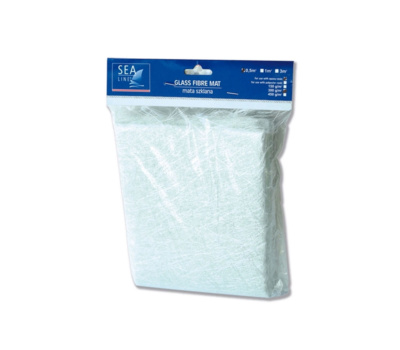
  • fibre glass mat (0,25m2)
  • disposable gloves
  • a brush and a cup with a scale for easy dosing of ingredients
  • instructions for repair

Basic information

TypeLaminates, steel
PlaceAbove and below waterline
FunctionLaminating, filling damages
ApplicationBrush, roll
Theoretical coverage0,5 m²
Coats numberAccording needs
Pot life 20°C10-15 min
Hardening time45 min

Surface preparation

  • Prepare a suitable piece of glass mat (approximately 2 cm beyond the damaged area).
  • Degrease the surface and sand it with P80-P180 sandpaper. Remove dust and degrease again.
  • Apply the prepared resin mixed with the hardener to the cleaned area with a brush.
  • Apply the prepared mat or fabric pieces. Thoroughly saturate the glass mat with resin, pressing with a brush or roller to completely remove air bubbles from the repair area.
  • If necessary, apply multiple layers of mat or fabric using a similar method.

To achieve a high-quality and sufficiently strong laminate, use the following weight ratio:

  • For mats, a 2:1 ratio – 2 kg of resin for 1 kg of powdered glass mat.
  • For fabrics, a 1:1 ratio – 1 kg of resin for 1 kg of glass fabric.

Further work

For finishing laminated sections, we recommend using products such as:
  • Sea-Line® epoxy fillers,
  • then Sea-Line® epoxy primers,
  • and finally Sea-Line® topcoats.

You have questions about the product - Polyester repair kit

    Also check

    Our FAQ answers to frequently asked questions

    Can I paint a boat, previously painted with 1 component paint, with polyurethane?

    It is not recommended to apply 2K paints over 1K paints. 1K and 2K inks differ in their composition and properties, including hardness, chemical resistance and durability. 1K paints are one-component and dry by evaporating the solvent, while 2K paints are two-component and need to be cured by adding a hardener. Applying 2K paint over 1K paint can cause unpredictable chemical reactions and lead to undesirable effects such as dulling, chipping or flaking of the paint. Therefore, always use paints according to the manufacturer’s instructions and do not mix different types of paints. farby zgodnie z instrukcjami producenta i nie mieszać różnych rodzajów farb.

    Why the paint does not have the right flow?

    Possible causes

    • No thinning, wrong thinner or wrong amount of thinner
    • Wrong type of roll or brush (wrong bristle lenght)
    • Applying too much or too Little paint,
    • During painting process temperature was too high or the air was too dry,
    • Incorrect preparation of too porous surface,
    • Incorrect proportion of thinner.

    How to prevent

    • Use a brush/Toller suited to the type of surface or paint,
    • Use thinner which is dedicated to the type of application and paints
    • Use thinning proportions which was indicated by manufacturer,
    • Paint in right atmosphere conditions indicated by manufacturer,

    How to remove

    • Grind, clean and paint again.

    Contamination in topcoat paint?

    Possible causes

    • Inaccurate surface cleaning before paint application,
    • Incorrect painting tools preparation (brush and roll),
    • Performing work in a place exposed to constant contact with dust.

    How to prevent

    • Careful surface preparation (grinding, clearing, degreasing),
    • Careful painting tools preparation before use,
    • Maintain clean work environment

    How to remove

    • Grind, clean and paint again.
    Wyjście
    Przeiń na górę