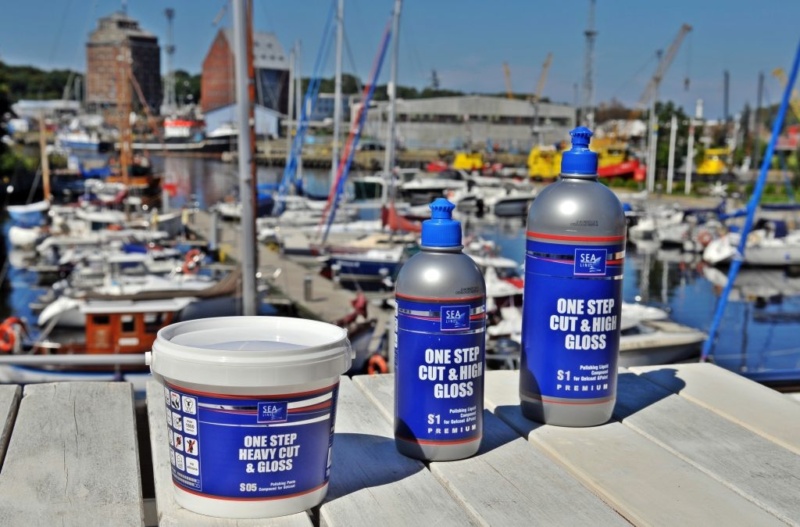
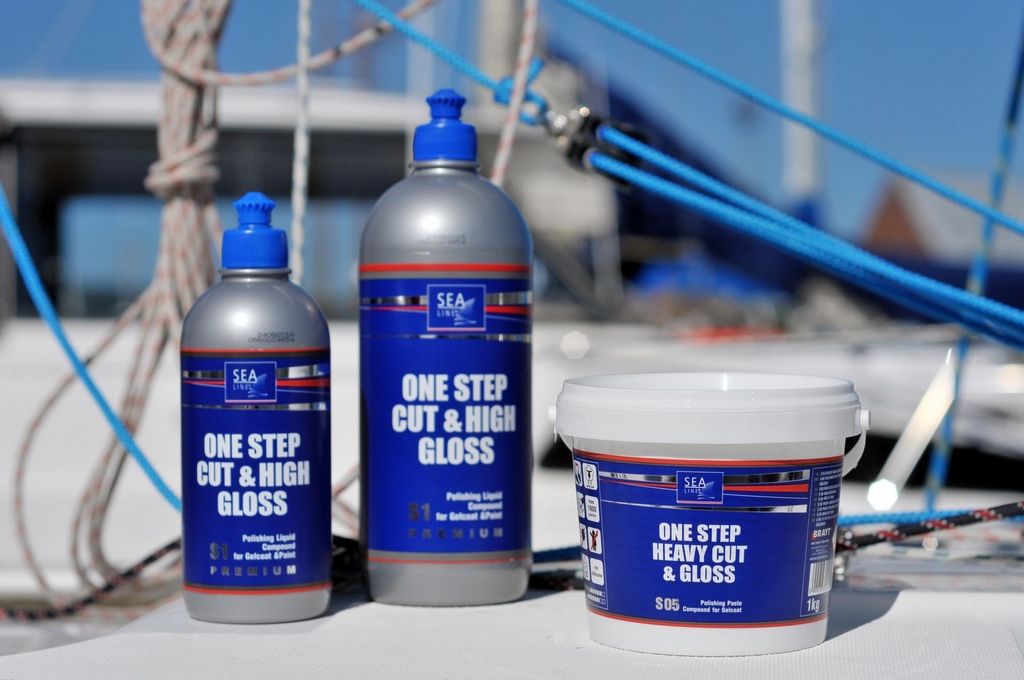
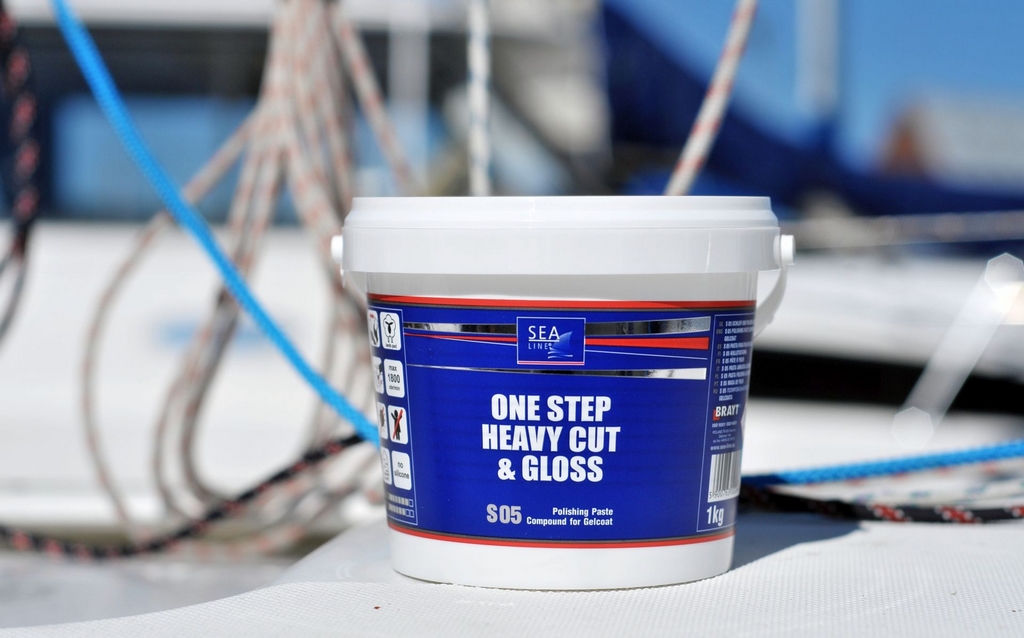
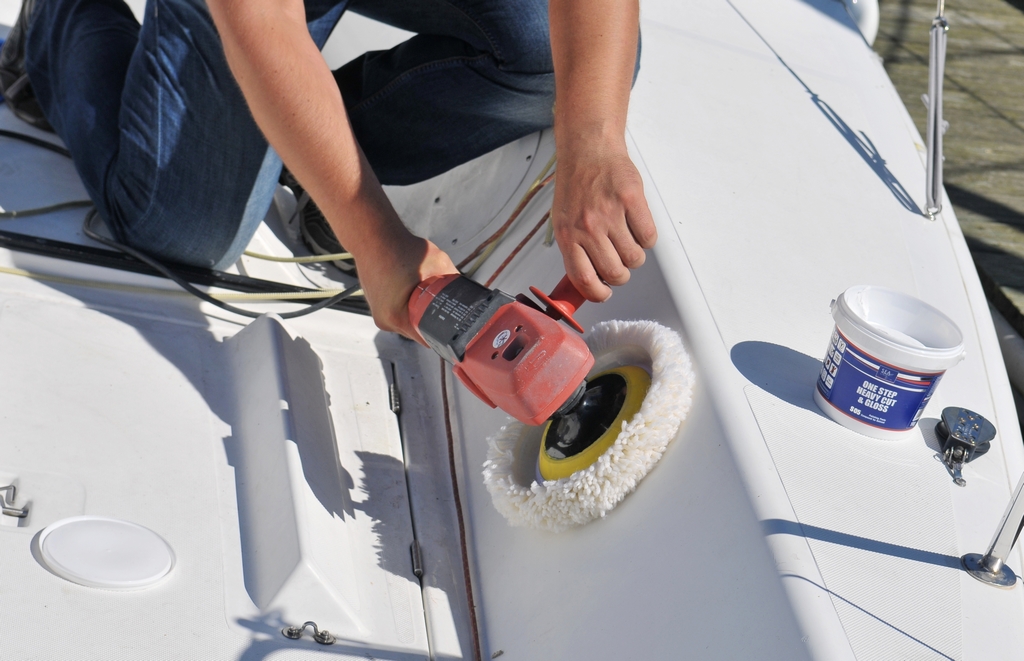
S05 ONE STEP HEAVY CUT & GLOSS. Polishing compound has a paste texture and is a one-stage compound with a high cutting force which guarantees quick removal of defects and grinding scratches from a surface after treatment with sandpaper.
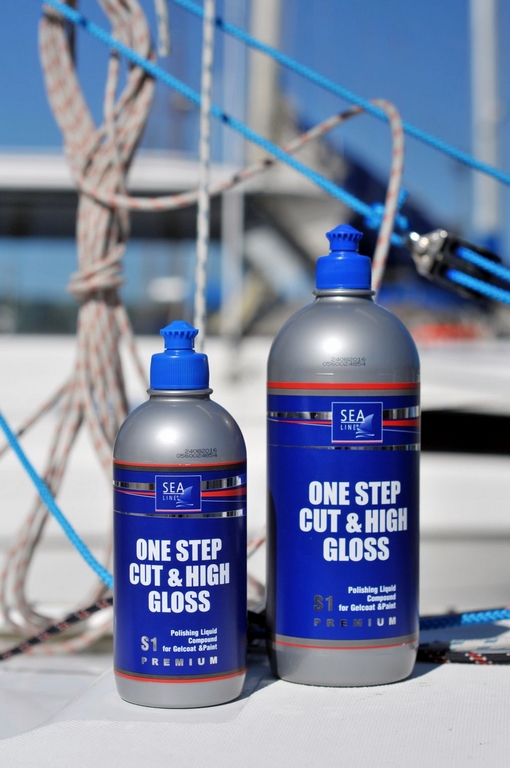
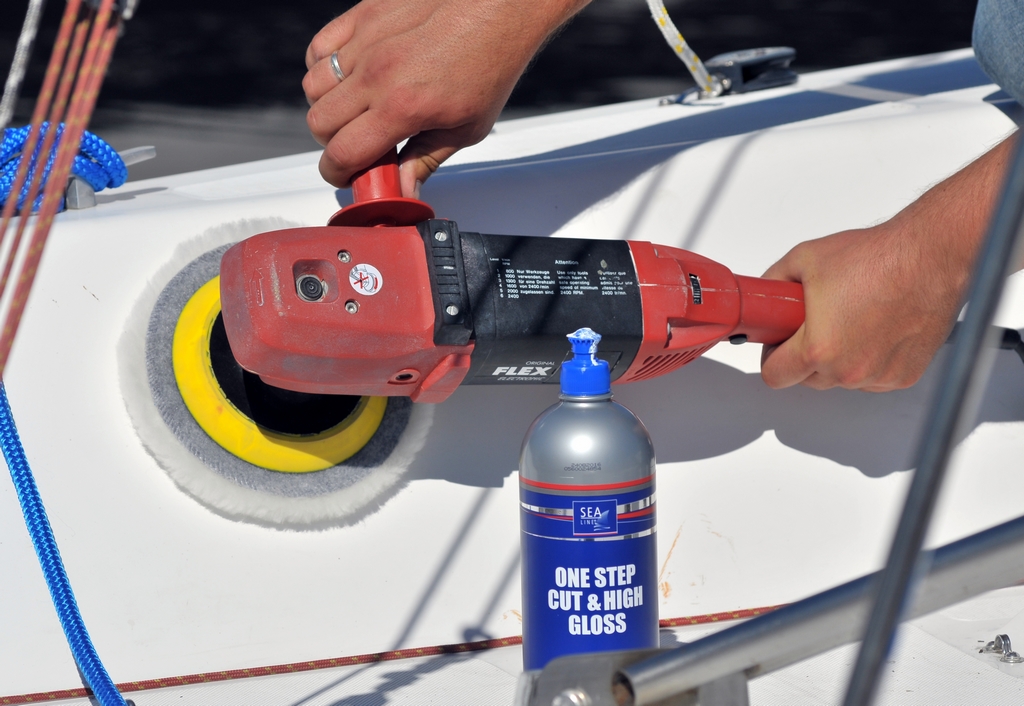
S1 PREMIUM ONE STEP CUT & HIGH GLOSS Polishing compound of liquid consistency, guarantees obtaining a very high gloss on the surface in one-stage polishing process.
We are expanding our offer by introducing two new products that will provide boat enthusiasts
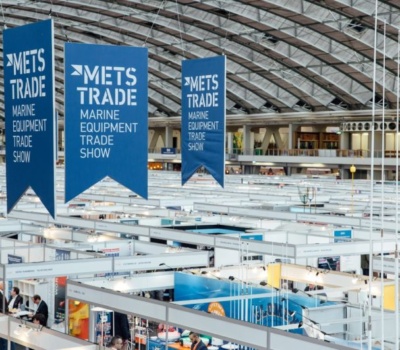
Come and join us at METSTRADE 2023, METSTRADE the best event for marine industry professionals,
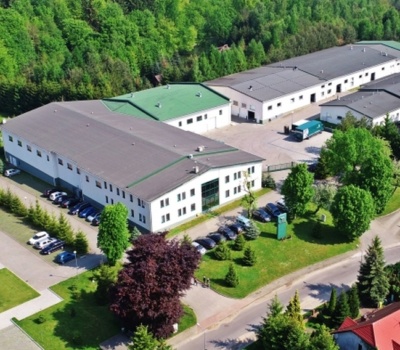
Visit us and our production plant without traveling
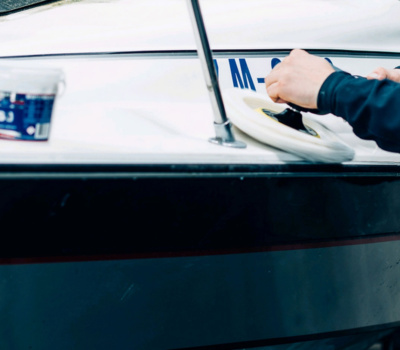
New in the 2023 season is a new polishing wool The new black and white
It is not recommended to apply 2K paints over 1K paints. 1K and 2K inks differ in their composition and properties, including hardness, chemical resistance and durability. 1K paints are one-component and dry by evaporating the solvent, while 2K paints are two-component and need to be cured by adding a hardener. Applying 2K paint over 1K paint can cause unpredictable chemical reactions and lead to undesirable effects such as dulling, chipping or flaking of the paint. Therefore, always use paints according to the manufacturer’s instructions and do not mix different types of paints. farby zgodnie z instrukcjami producenta i nie mieszać różnych rodzajów farb.
There is a possibility of thinning antifouling, but we do not recommend this procedure due to the risk of reducing the effectiveness of the paint. If it is necessary to thin the antifouling paint, it is recommended to dilute it to a maximum of 0-5% (by volume).
Troton Sp z o.o.
78-120 Gościno
Ząbrowo 14A
Polska
Sąd Rejonowy w Koszalinie IX Wydz. KRS 0000187692;
Kapitał zakładowy 8 215 000 PLN


 Facebook
 YouTube
 Instagram
 Guide
Guide Contact
 Newsletter