Epoxy fillers are primarily the only fillers recommended for use on hull components constantly immersed in water.
However, they can be successfully used both above and below the waterline.
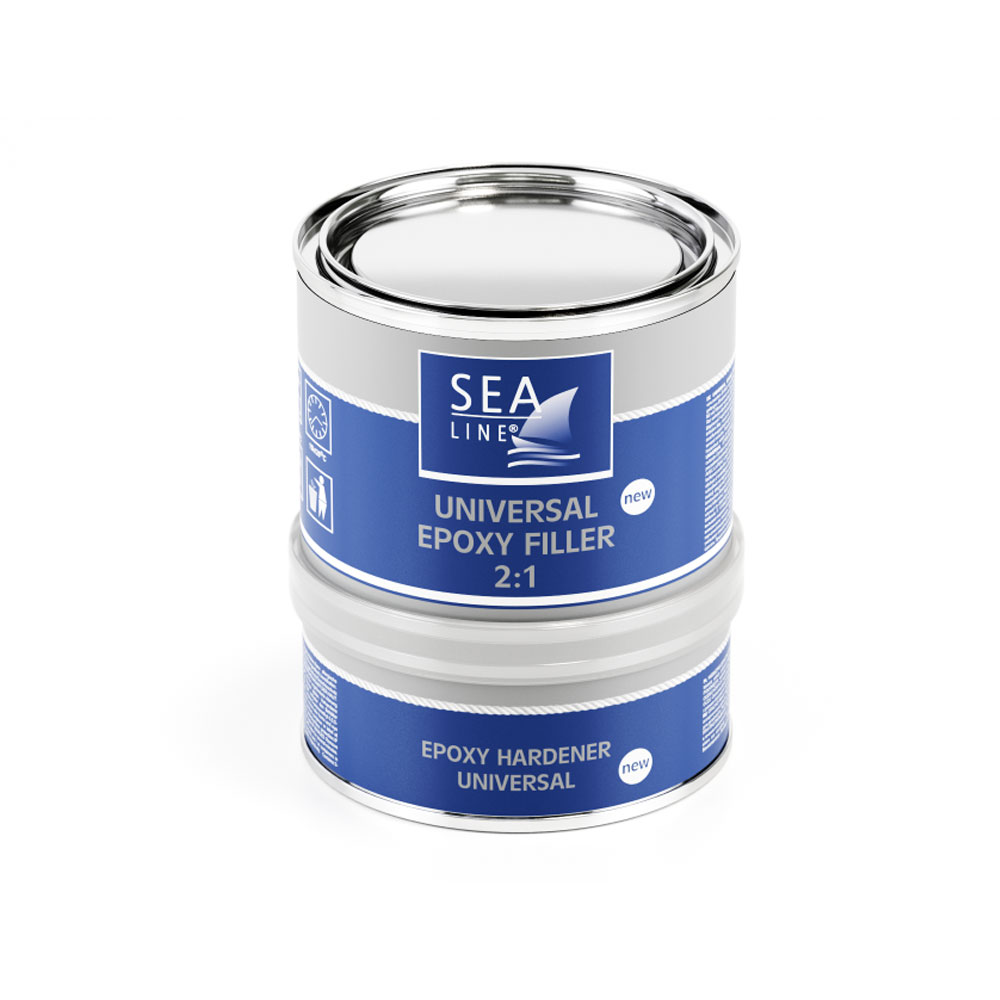
| Weight | Code | |
|---|---|---|
| set (A+B) | 750 g | 12200 |
| component A | 5 kg | 12286 |
| component B (hardener) | 2,5 kg | 12287 |
Manually:
| Type of surface | GRP laminates, wood steel, aluminum |
| Place | Above and below waterline |
| Function | Fast repairs small scratches and damages |
| Color | light grey |
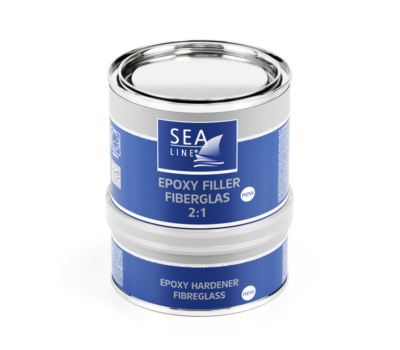
Epoxy fillers, including fiberglass filler, are primarily the only fillers truly recommended for use both
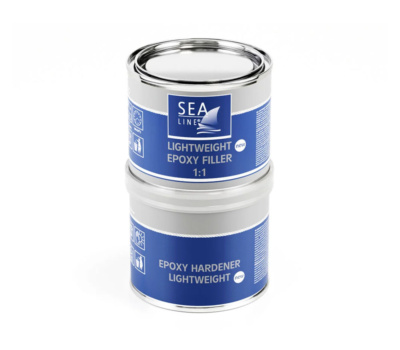
Recommended for large areas due to low own weight
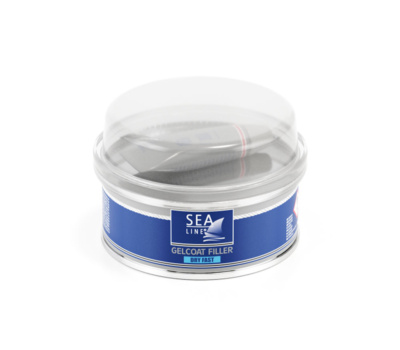
Gelcoat Filler is very fast hard and easy in use.
It is not recommended to apply 2K paints over 1K paints. 1K and 2K inks differ in their composition and properties, including hardness, chemical resistance and durability. 1K paints are one-component and dry by evaporating the solvent, while 2K paints are two-component and need to be cured by adding a hardener. Applying 2K paint over 1K paint can cause unpredictable chemical reactions and lead to undesirable effects such as dulling, chipping or flaking of the paint. Therefore, always use paints according to the manufacturer’s instructions and do not mix different types of paints. farby zgodnie z instrukcjami producenta i nie mieszać różnych rodzajów farb.
If the scratches are not deep, then we can renew the scratched side by polishing with Sea-Line polishing pastes. Above the waterline, when the scratches are not deep, the surface can be repaired with a DRY FAST gel coat filler. Deep scratches should be filled with epoxy filler (selected depending on the requirements of the scratched surface), painted with a primer and then painted with topcoat.
Troton Sp z o.o.
78-120 Gościno
Ząbrowo 14A
Polska
Sąd Rejonowy w Koszalinie IX Wydz. KRS 0000187692;
Kapitał zakładowy 8 215 000 PLN


 Facebook
 YouTube
 Instagram
 Guide
Guide Contact
 Newsletter