Wyszukaj na stronie

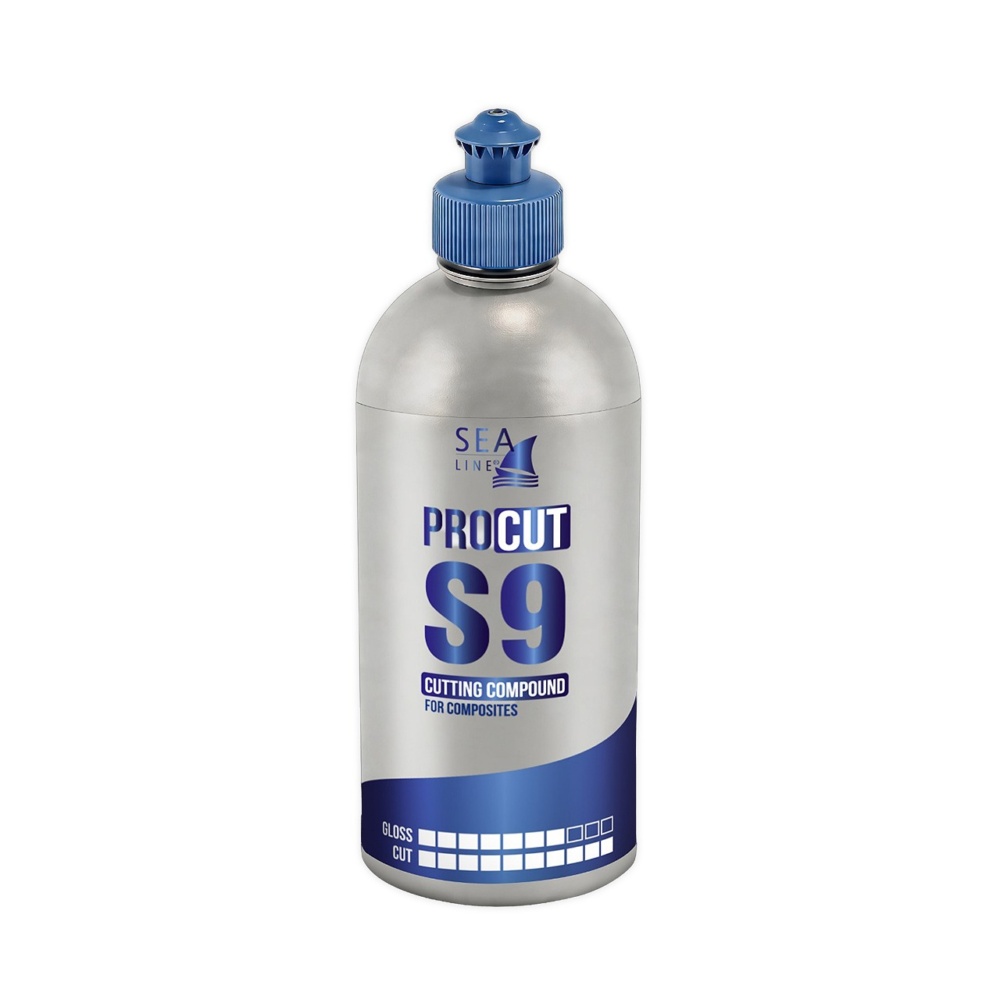
S9 PRO CUT – Polishing Compound

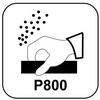
S9 PRO CUT polishing compound has been developed for effective polishing of both white and dark gelcoats. It is ideal for use with conventional rotary polishers and pneumatic polishing machines, ensuring high working efficiency. The product is designed for use after sanding with P800 grit and finer. It provides fast and effective removal of sanding marks while delivering a high-gloss finish. A professional solution for demanding finishing applications.

WeightCode
Bottle 1kg17667
S9 PRO CUT – Polishing Compound
  • Cut level = 10
  • Gloss level = 7

Does not contain silicone or wax fillers

Color

  • white

Application method

  • Rotary polisher
  • Pneumatic polishing machine (industrial)

Polishing pads:

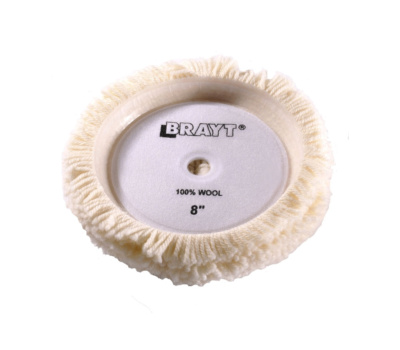
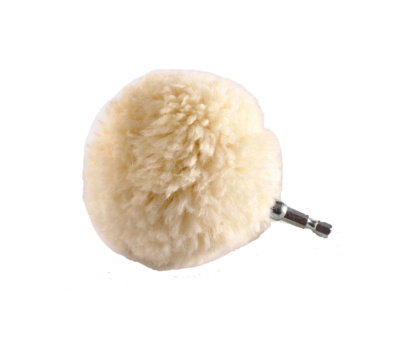
  • Wool pads
    • Lambswool pads
    • Hard foam pads
    • Soft foam pads

Product description "S9 PRO CUT – Polishing Compound"

A polishing compound designed for production companies where the highest possible cutting power is required. It is intended for all types of polishing applications where the primary purpose is to quickly remove sanding marks and achieve a high-gloss finish. The compound effectively removes defects resulting from sanding operations on finished products, even after sanding with P800-grit abrasive paper. It is ideal for use with conventional rotary polishers and pneumatic polishing machines, ensuring high working efficiency.

Advantages of S9 PRO CUT:

  • Highest possible cutting power
  • High-gloss finish
  • Fast working performance
  • Does not clog or cause matting of wool polishing pads

Basic information

Application

White and dark gelcoat

Tooling gelcoat (technical)

Finished GRP products

Categoryproduction
Function

Defect removal from the surface

Restoring gloss

Consistencypaste
Surface Preparation*machine sandinghand sanding
light colordark colorlight colordark color
gelcoatP800⇒P1200⇒P1200⇒P1200⇒
tooling gelcoat (technical)P800⇒P1200⇒P2000⇒
High-hardness surfaceP800⇒P1200⇒P2000⇒

* minimalna gradacja papieru ściernego
Details of the application method

  • Polishing Process:

    Surface Preparation

    Remove surface defects using abrasive paper of the appropriate grit.

    Sposób aplikacji - S9 PRO CUT – Polishing Compound

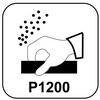
    Sea-Line® S9 polishing compound quickly and effectively removes scratches and defects from the surface after sanding with a minimum grit of P800→.

  • Sposób aplikacji - S9 PRO CUT – Polishing Compound

    When using S9 PRO CUT on very hard tooling gelcoats (technical gelcoats) or dark colours, it is recommended to finish the sanding process with a minimum grit of P1200.

  • Polishing

    Sposób aplikacji - S9 PRO CUT – Polishing Compound

    Polishing with S9

    Polishing with S9 PRO CUT can be carried out manually or using a mechanical rotary polisher with adjustable speed or a pneumatic industrial polishing machine.

  • Sposób aplikacji - S9 PRO CUT – Polishing Compound

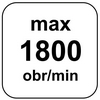
    The polishing process with a rotary polisher should be started at a low speed of 800–1,000 rpm. Gradually increase the speed until the compound is completely worked into the surface and a full gloss is achieved.

  • Sposób aplikacji - S9 PRO CUT – Polishing Compound

    The speed of the rotary polisher should not exceed 1,800 rpm during the final stage of polishing.

  • Finishing After Polishing

    Sposób aplikacji - S9 PRO CUT – Polishing Compound

    Clean the surface of any remaining polishing compound using a microfiber cloth.

    If necessary, any minor polishing defects left on the surface after using S9, such as swirl marks or haze, can be removed:
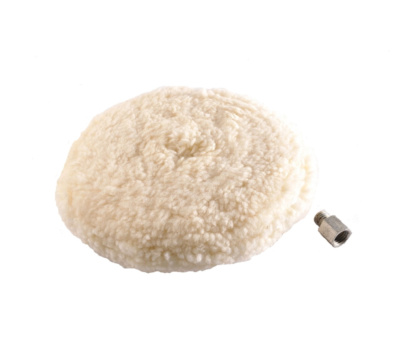
    • using S1 Premium polishing compound
    • when using S1 PREMIUM, it is recommended to change the polishing pad to one made of 100% lambswool (Sea-Line® BRAYT MM type).
  • The polished surface can finally be protected using:

    • S4 PROTECT WAX
    • S5 QUICK WAX

You have questions about the product - S9 PRO CUT – Polishing Compound

    Related products

    Related articles

    Also check

    Our FAQ answers to frequently asked questions

    Can I add more hardener to speed up the reaction?

    Do not add more hardener, because after the base has cured, the remaining hardener will react with subsequent layers, which will be applied to the surface and cause defects. For the product to work properly, please follow the proportions given by the manufacturer.

    Why are the streaks formed?

    Possible causes

    • Wrong viscosity and spraying technique,
    • Failure to maintain proper evaporation time and thickness of layers,
    • Incorrect spraying pressure,
    • Too low temperature of varnish, surface or space ,
    • Wrong thinner or hardener.

    How to prevent

    • Apply the right type of application method indicated by manufacturer,
    • Use working spray guns,
    • Both the object and material must have room temperature of 20ﹾC,
    • Apply correct proportion of base and hardener.

    How to remove

    • Grinding and polishing,
    • Grinding and painting,

    Why does the paint have no adhesion?

    Possible causes

    • Wrong surface preparation,
    • Skipping the primer in the system application process,
    • Use of universal thinners or replacements ,
    • Paint incompatibility.

    How to prevent

    • Correct surface preparation (grinding, clearing, degreasing),
    • Use primers which improve adhesion of paints,
    • Use thinners which are dedicated to each paints,
    • Use of paints which are compatible to each other.

    How to remove

    • Grind, clean and paint again.
    Wyjście
    Przeiń na górę