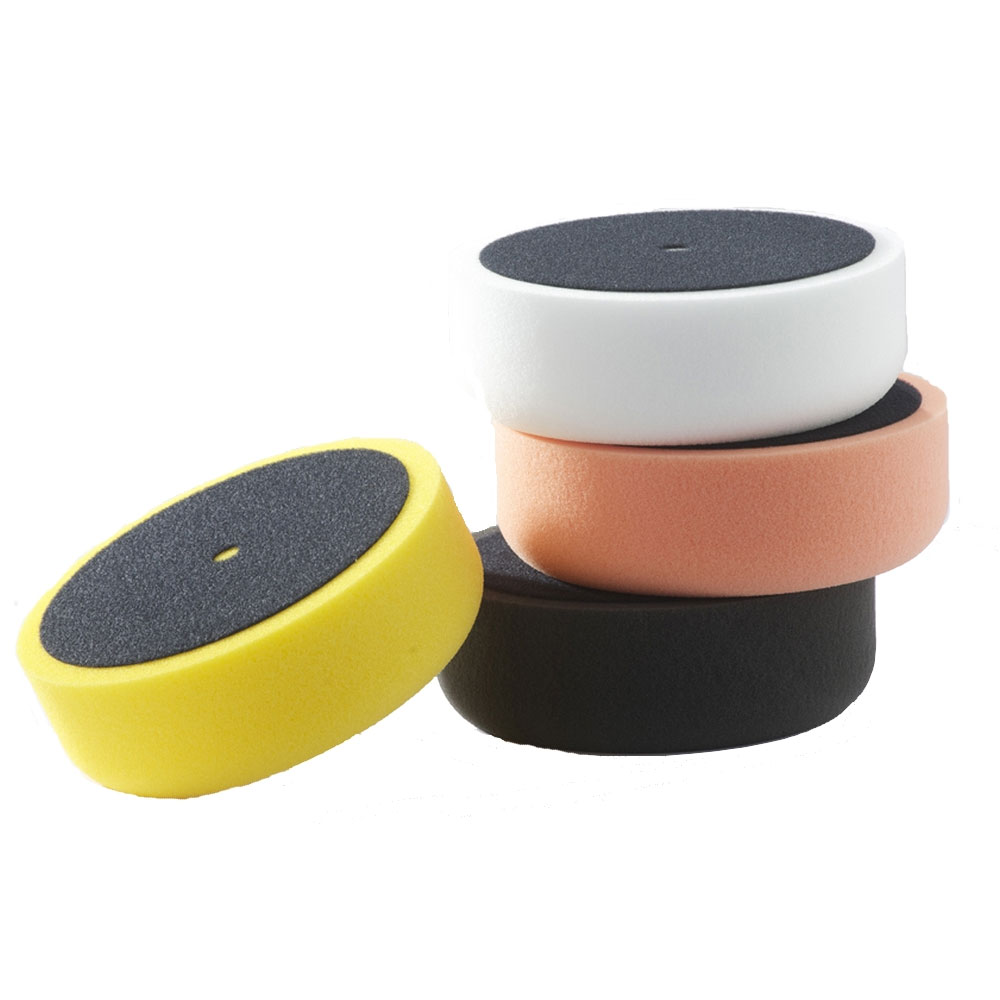
Polishing Sponge available in four hardnesses, the handle is made of very strong turnip, reusable, which provides positive retention of the sponge polishing machine.
| Size | Color | Recommended backing plate | Code |
|---|---|---|---|
| ∅ 150 mm | white | “Soft” backing plate – ∅120 / “Universal” backing plate – ∅120 / “Universal” backing plate – ∅150 | 300000384 |
| ∅ 150 mm | pink | “Soft” backing plate – ∅120 / “Universal” backing plate – ∅120 / “Universal” backing plate – ∅150 | 300000385 |
| ∅ 150 mm | yellow | “Soft” backing plate – ∅120 / “Universal” backing plate – ∅120 / “Universal” backing plate – ∅150 | 300000386 |
| ∅ 150 mm | black | “Soft” backing plate – ∅120 / “Universal” backing plate – ∅120 / “Universal” backing plate – ∅150 | 300000387 |
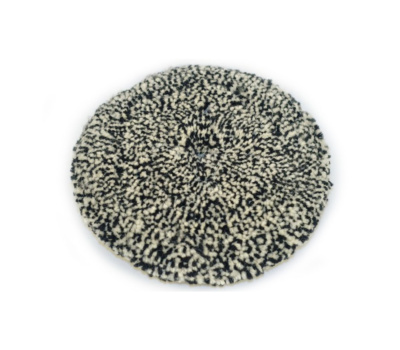
The heads from the Long Life series are made of 100% premium natural sheep wool.
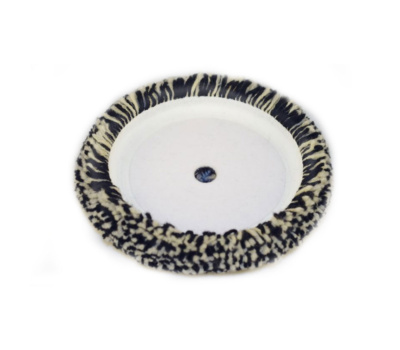
One-sided heads from the Long Life series are made of 100% premium natural sheep wool.
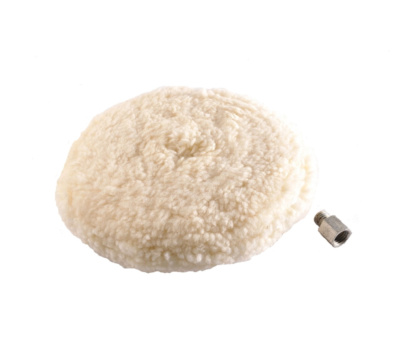
Double-sided polishing wool is made from 100% natural wool. Ideal for removing scratches and mates
Yes, you can mix Sea-Line polyurethane paints. The only difference are the pigments of polyurethane paints that determine the color of the paint. But remember to keep the right proportions of base, hardener and thinner.
We do not sell retail. Our products can be found in many stores in Poland and abroad. Our distributors run stationary and online stores. The full list of distributors and contacts can be found on our website at the following link click here.
Troton Sp z o.o.
78-120 Gościno
Ząbrowo 14A
Polska
Sąd Rejonowy w Koszalinie IX Wydz. KRS 0000187692;
Kapitał zakładowy 8 215 000 PLN


 Facebook
 YouTube
 Instagram
 Guide
Guide Contact
 Newsletter