Wyszukaj na stronie

Cosmetics Sea-Line in Polish Army

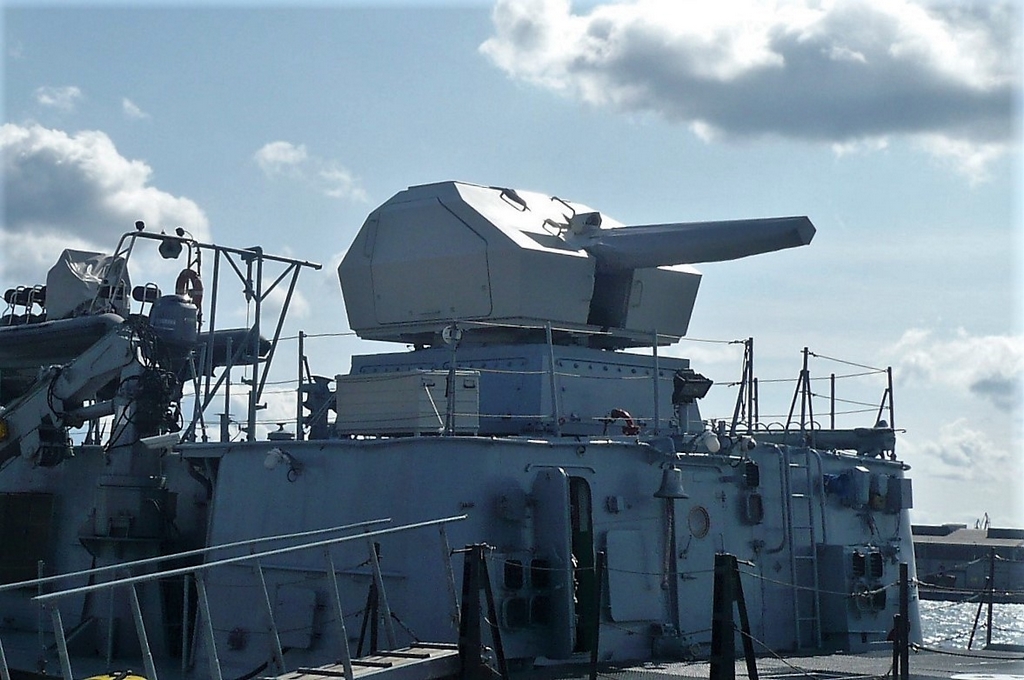
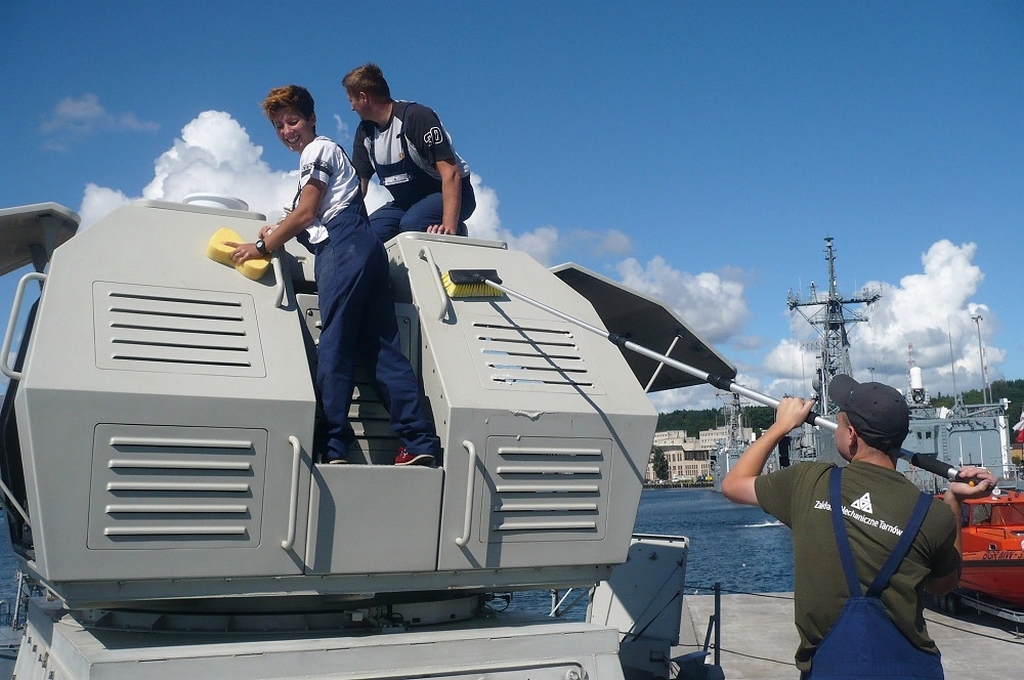
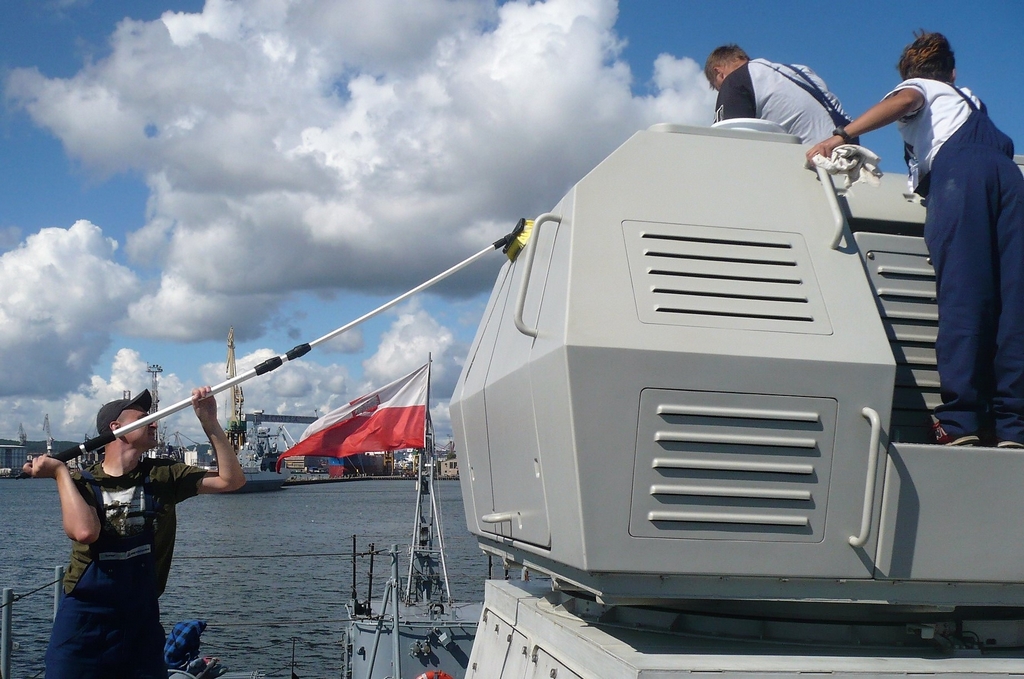
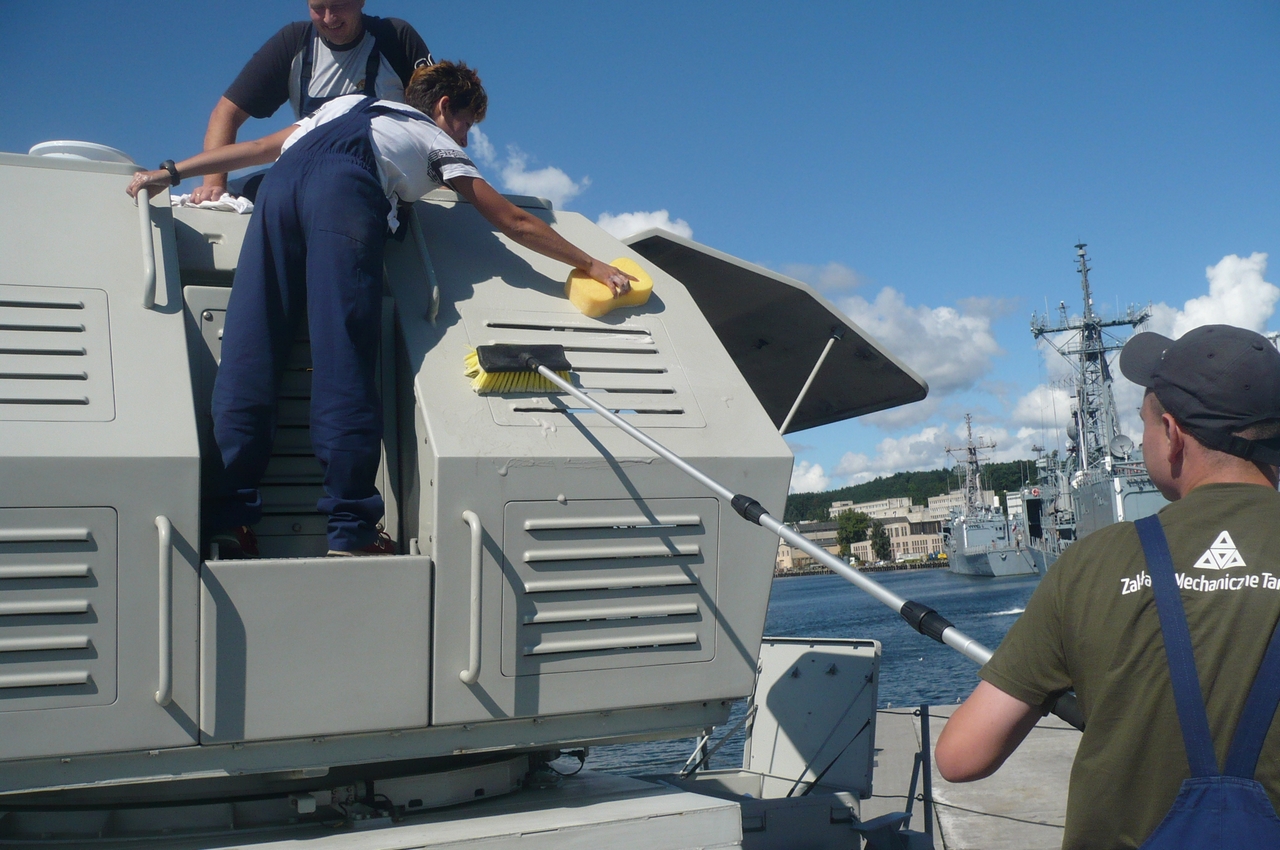
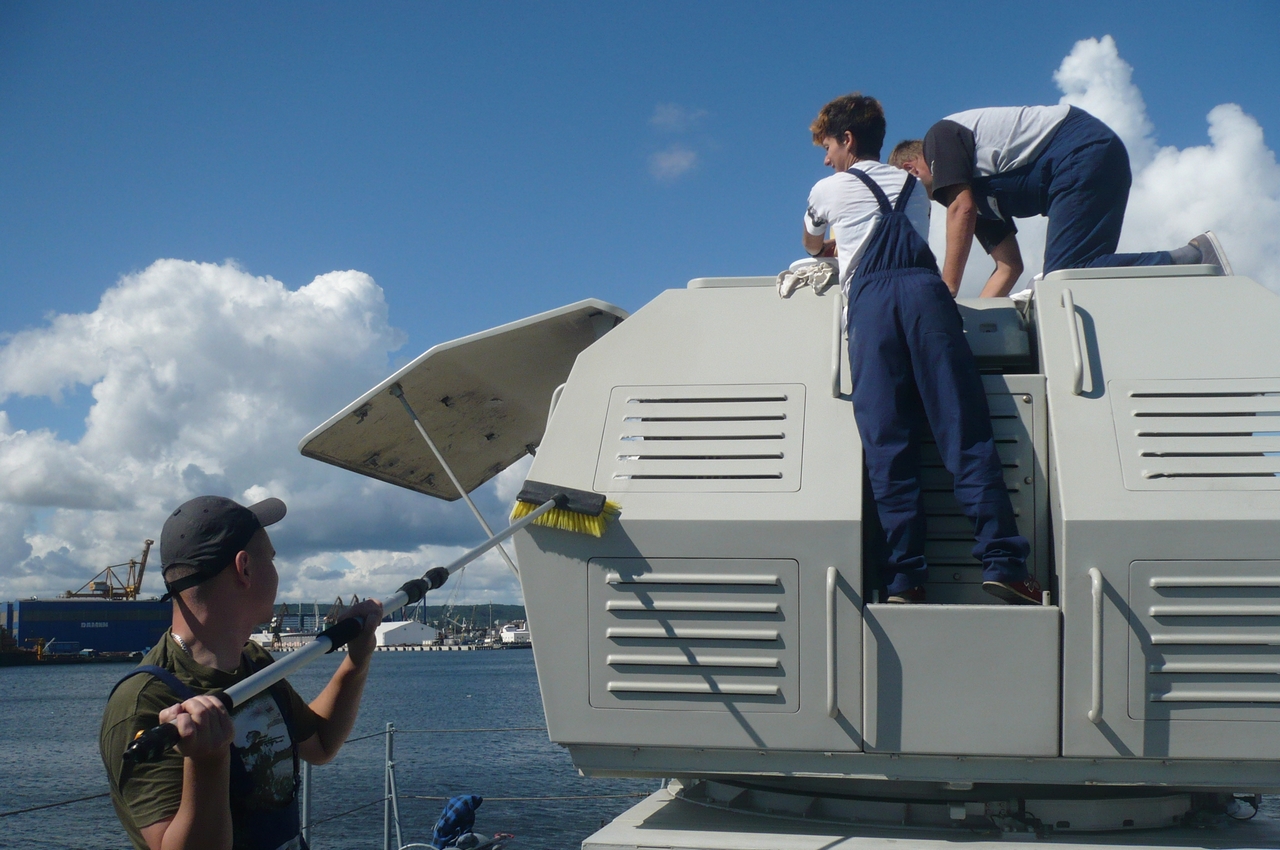
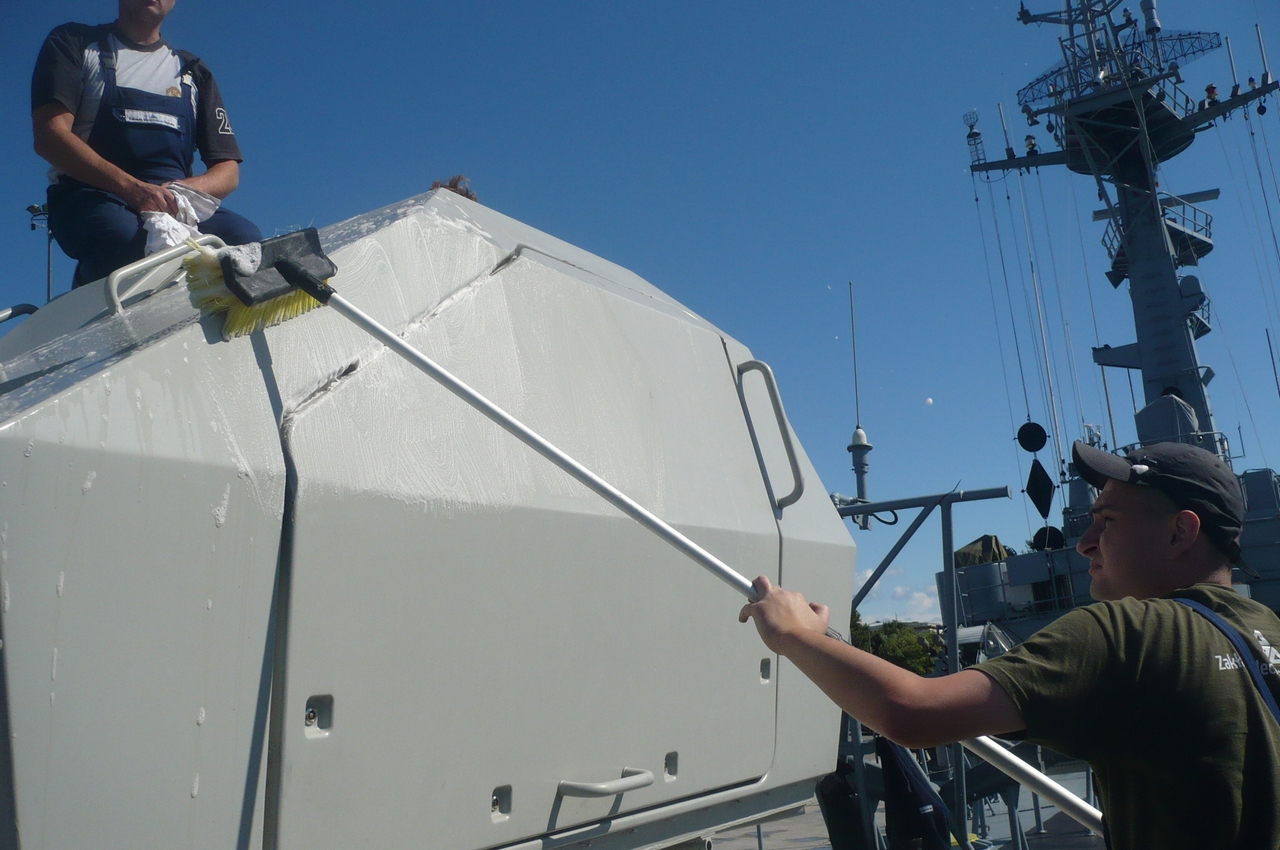
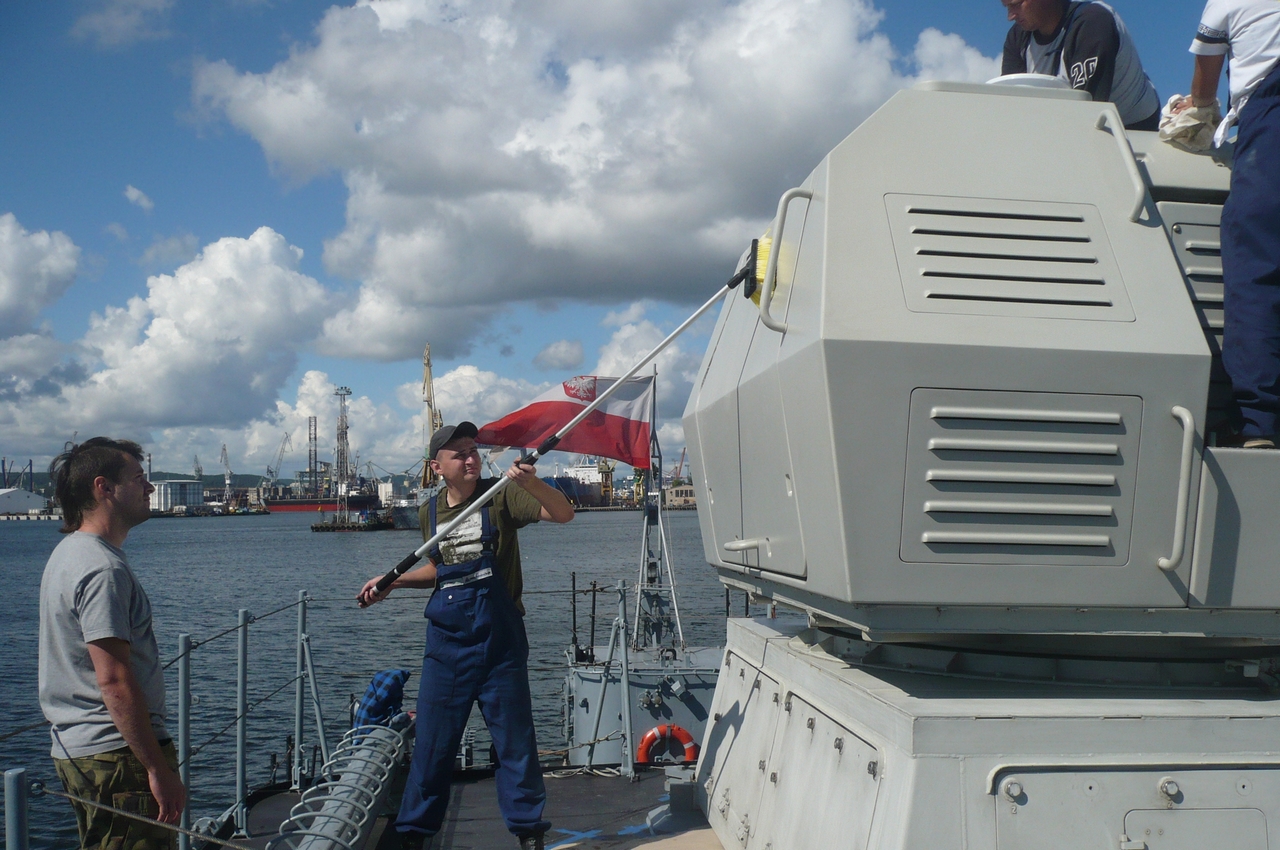
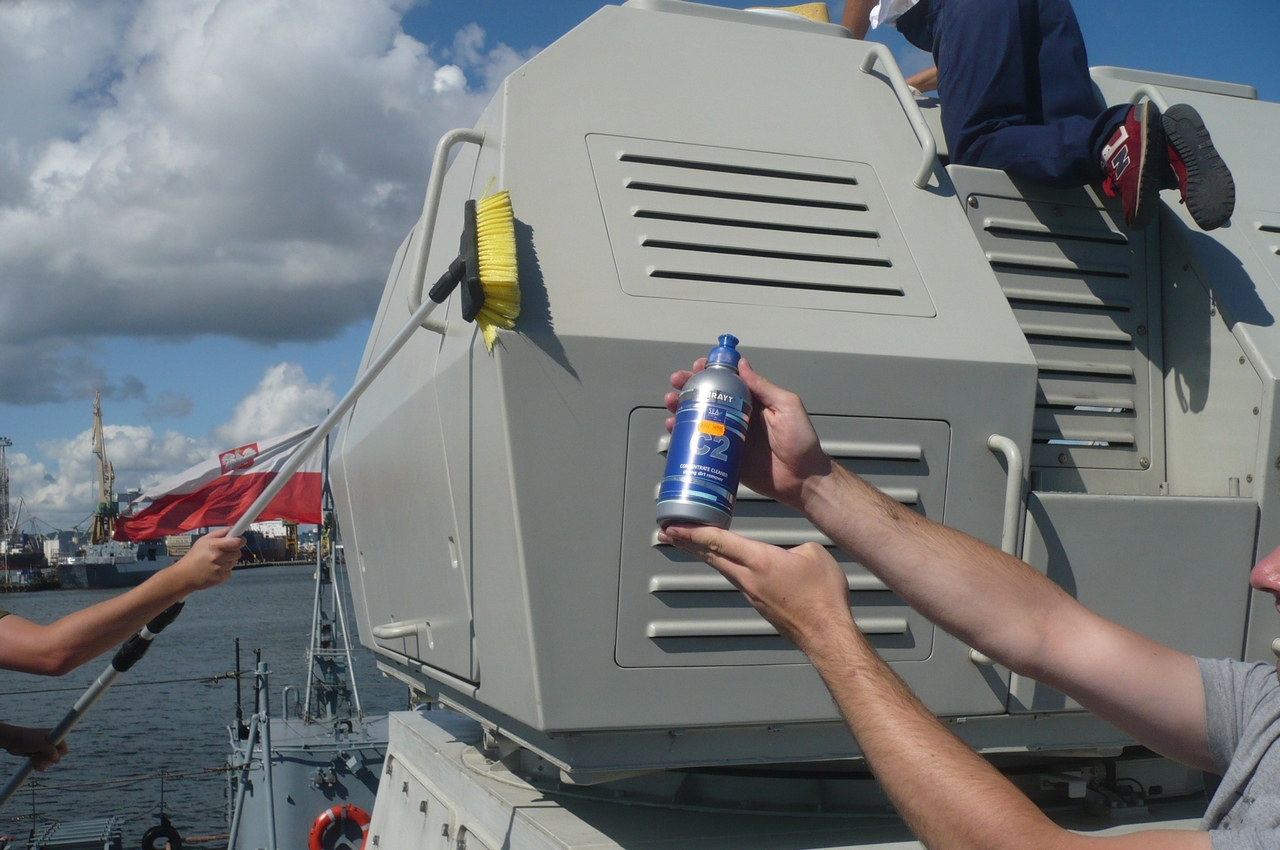
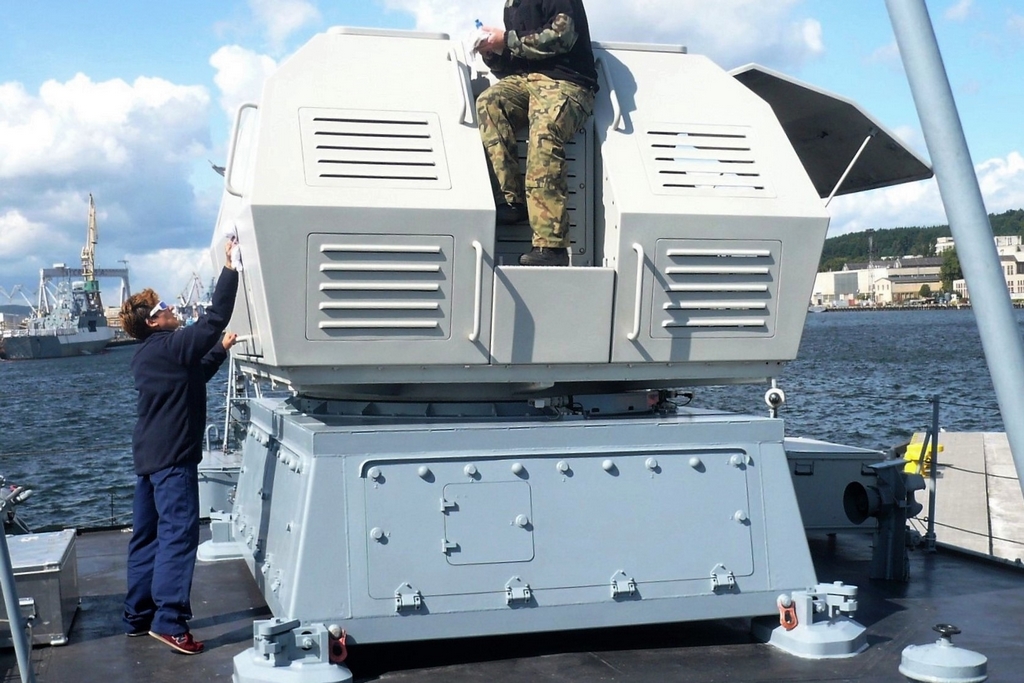
Cosmetics Sea-Line use in Polish Army for cleaning and protect Sea Gun AM35 on „ORP Kaszub”.
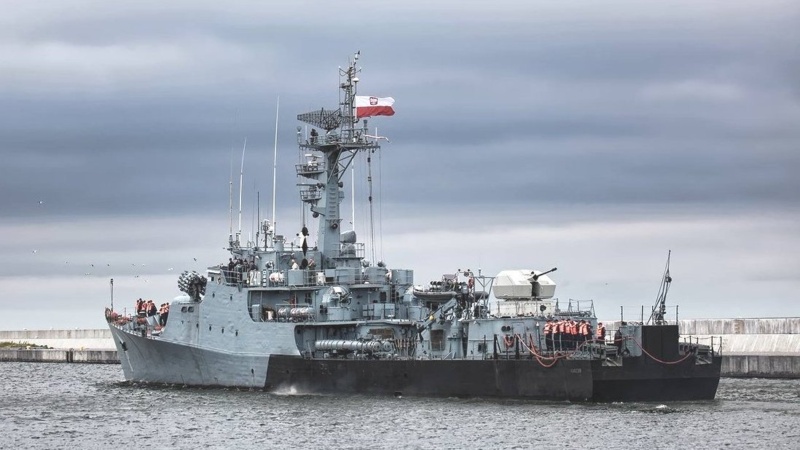
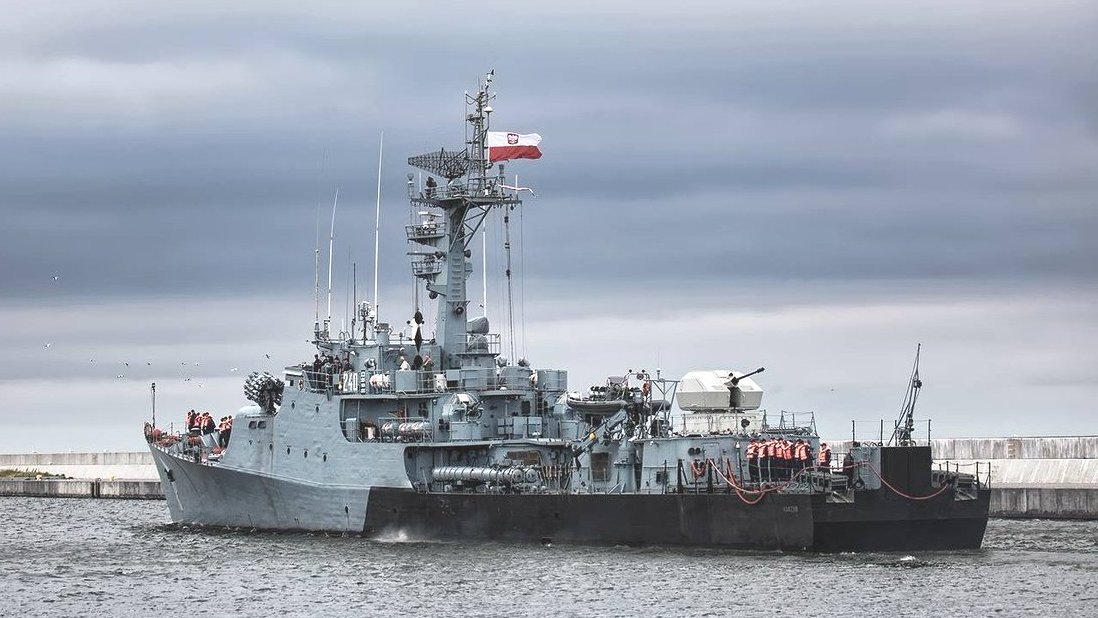
Polish Army use:

  • C2 -Concentrat Cleaner
  • C3 – Shampoo with Wax
  • S4 – Protect Wax
Cosmetics Sea-Line in Polish Army

Warning: Undefined variable $gallery_style in /home/klient.dhosting.pl/troton/sea-line.eu/public_html/wp-content/themes/Sea-Line/functions.php on line 172

Warning: Undefined variable $gallery_style in /home/klient.dhosting.pl/troton/sea-line.eu/public_html/wp-content/themes/Sea-Line/functions.php on line 172
  • kaszubb
  • preparat
  • preparat c
  • preparat c
  • preparat c
  • preparat c
  • preparat c
  • preparat c
  • preparat c
  • preparat c

logo wat

logo amw

NCBIR logo z czerwonym napisem

logo pgz

logo pit radwar

logo trojkaty na gorze

Do you have questions about "Cosmetics Sea-Line in Polish Army"

    Also check

    Our FAQ answers to frequently asked questions

    Can I use yacht paints for a drinking water tank?

    Sea-Line yacht paints are designed for painting the surface of boats and yachts made of various materials, e.g. laminate, wood or steel. We do not have a certificate of the National Institute of Hygiene, which would allow the use of yacht paint to paint the tank with drinking water.

    Why are the streaks formed?

    Possible causes

    • Wrong viscosity and spraying technique,
    • Failure to maintain proper evaporation time and thickness of layers,
    • Incorrect spraying pressure,
    • Too low temperature of varnish, surface or space ,
    • Wrong thinner or hardener.

    How to prevent

    • Apply the right type of application method indicated by manufacturer,
    • Use working spray guns,
    • Both the object and material must have room temperature of 20ﹾC,
    • Apply correct proportion of base and hardener.

    How to remove

    • Grinding and polishing,
    • Grinding and painting,

    Why despite the use of antifouing paint the bottom of the boat is overgrown?

    Possible causes

    • Too thin layer of antifouling paint,
    • Choosing the wrong antifouling to type of a boat or yacht
    • Thinning of antifouling paint,
    • Incorrect surface preparation before antifouling application.

    How to prevent

    • Apply the right layer thickness of paint indicated by manufacturer,
    • Choose antifouling dedicated to type of boat or yacht and suitable for the type of water,
    • Do not thin antifouling because of the risk of reducing effectiveness,
    • Careful surface preparations (grinding, clearing, degreasing),

    How to remove

    • Wet grinding, apply new layers of antifouling paint.
    • Use C1 shell and fouling remover.
    Wyjście
    Przeiń na górę