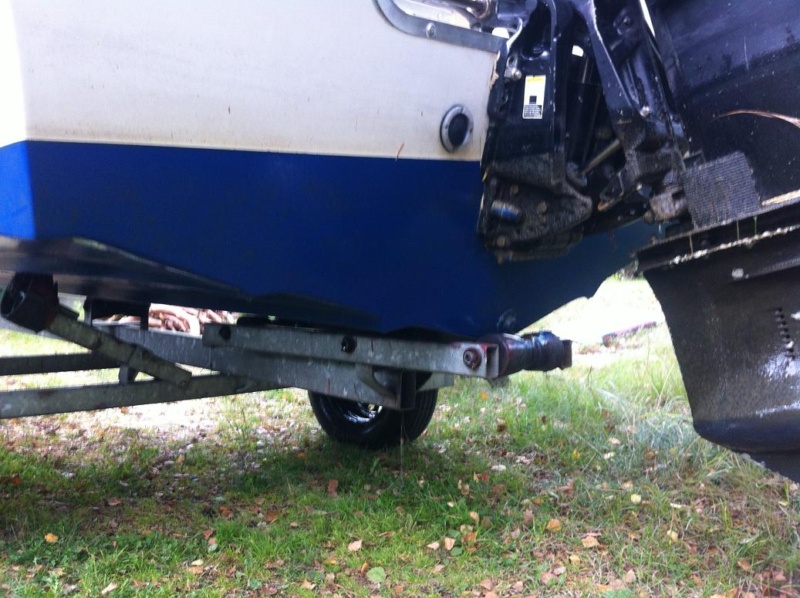
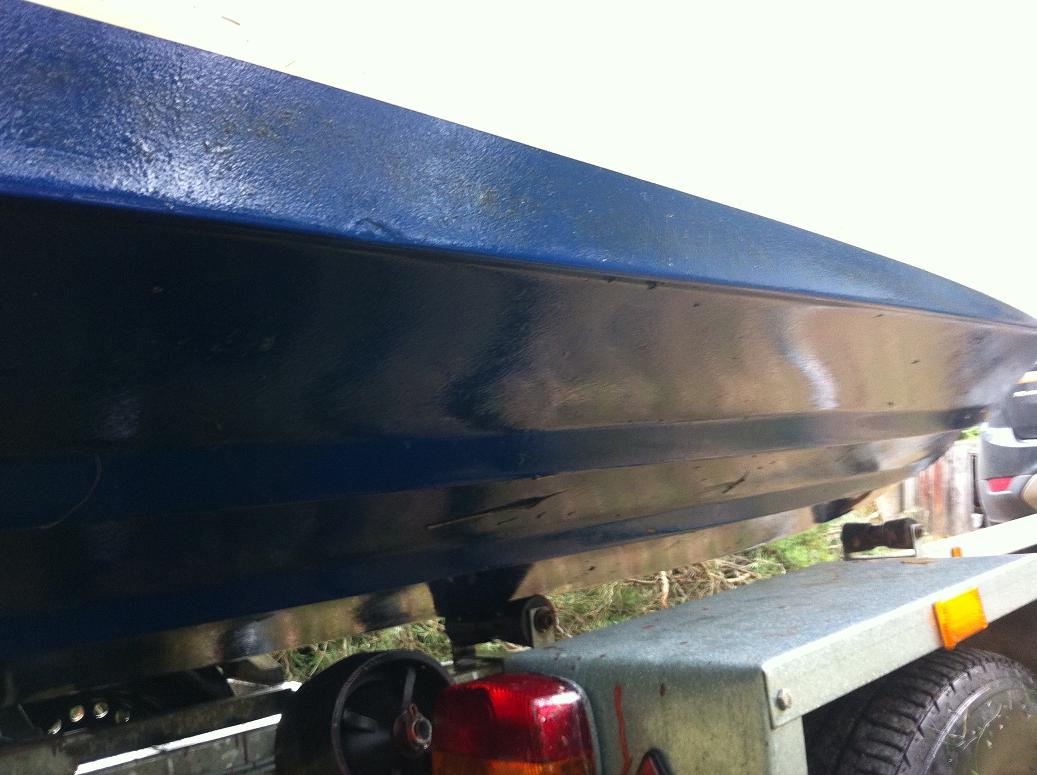
“Here is a picture after one summer with Sea-Line antifouling color, the paint is working well.”
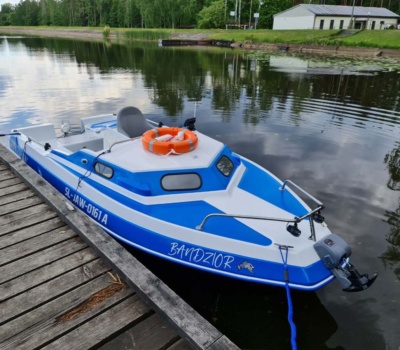
Renovation of the Spanish motorboat Ducauto caribe. “Cut in half, gutted and made according to
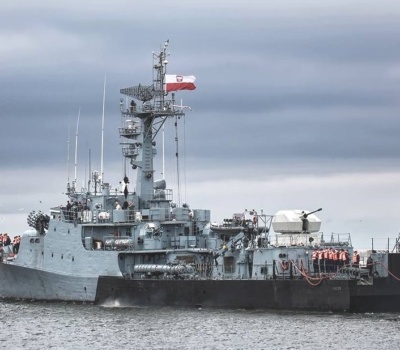
Cosmetics Sea-Line use in Polish Army for cleaning and protect Sea Gun AM35 on „ORP
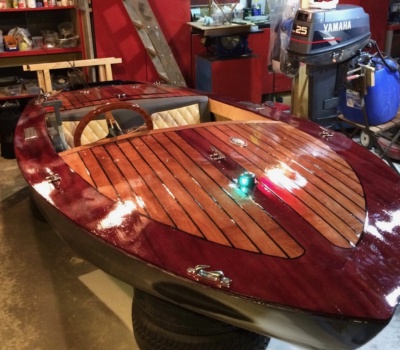
Mr. Wojciech Ceiślik, boatbuilder Glen-L Squirt: „I recommend Sea-Line products to everyone who builds and
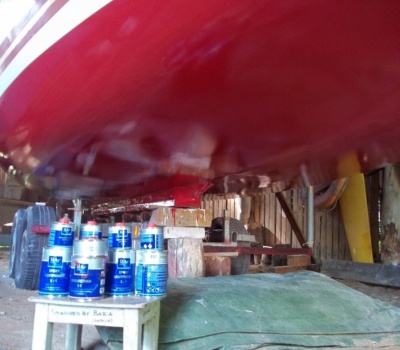
„… It was not easy, hard job on knees with mask and glasses. Feeling like
Sea-Line yacht paints are designed for painting the surface of boats and yachts made of various materials, e.g. laminate, wood or steel. We do not have a certificate of the National Institute of Hygiene, which would allow the use of yacht paint to paint the tank with drinking water.
Do not add more hardener, because after the base has cured, the remaining hardener will react with subsequent layers, which will be applied to the surface and cause defects. For the product to work properly, please follow the proportions given by the manufacturer.
Troton Sp z o.o.
78-120 Gościno
Ząbrowo 14A
Polska
Sąd Rejonowy w Koszalinie IX Wydz. KRS 0000187692;
Kapitał zakładowy 8 215 000 PLN


 Facebook
 YouTube
 Instagram
 Guide
Guide Contact
 Newsletter