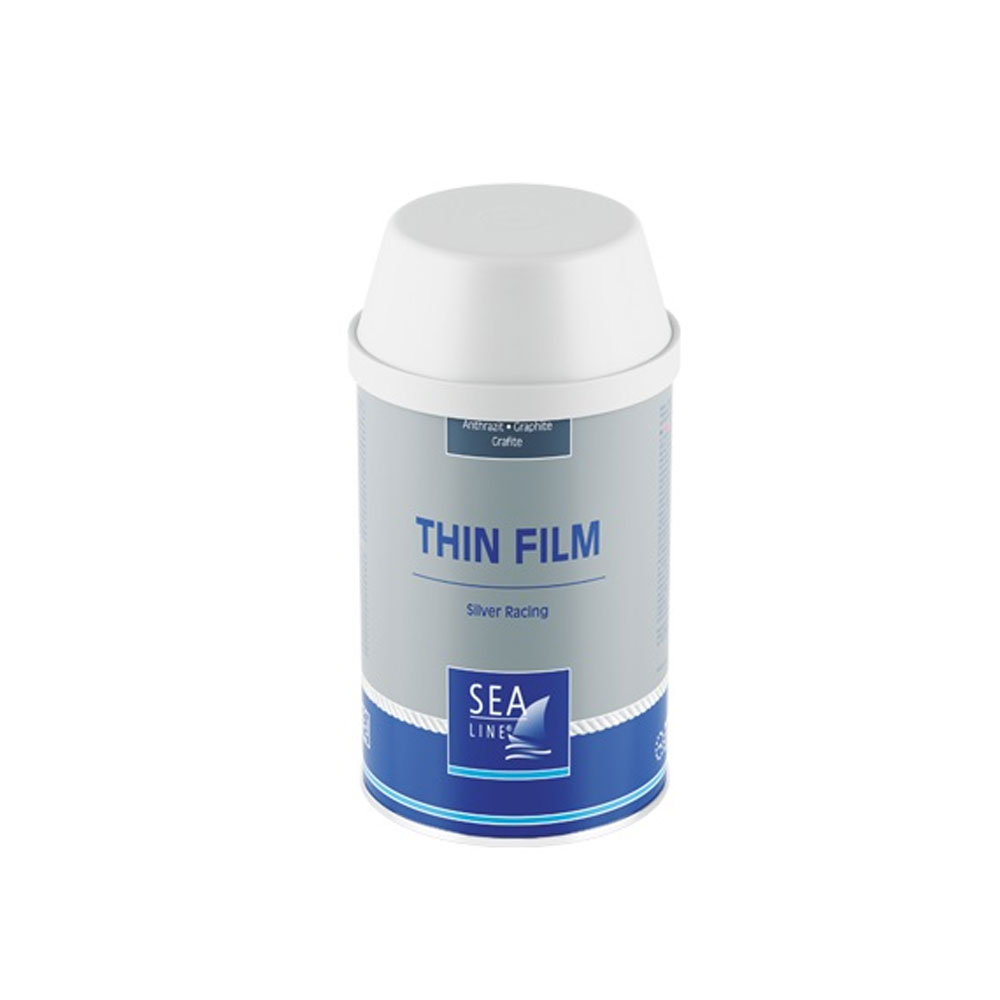
THIN FILM Silver Racing is a hard antifouling paint, effectively preventing fouling organism: aquatic plants and animals or slime.
| Color | Capacity | Code |
|---|---|---|
| graphite | 0,75 l | 300008380 |
| graphite | 2,0 l | 300008379 |
| Type | GRP laminates, wood, steel | |||||
| Place | Below waterline | |||||
| Function | Antifouling paint discourages the growth of barnacles, weed, and other water life on the submersed hull of the boat. | |||||
| Application | brush, roll only professional : airless spray gun or conventional spray | |||||
| Thinning * | No recommended | |||||
| Theoretical coverage For 1l | by roller | by spray | ||||
| 11 ~ 12 m² | 4 ~ 6 m² | |||||
| Coat thickness (WTF) | 80 μm | 160 μm | ||||
| Finish thickness (DTF) | 30 μm | 60 μm | ||||
| Coats number | 2 | 1 | ||||
| Recommended dry layer | 60 μm | |||||
| Hardening the surfaces | 23ºC | 15ºC | ||||
| Touch dry | 20 minutes | 30 minutes | ||||
| Immersion: | 2 hours | 3 hours | ||||
| Dry to recoat (overcoating) | min. 6 hours | min. 10 hours | ||||
| Dry to launch (immersion times) | max 6 months | max 6 months | ||||
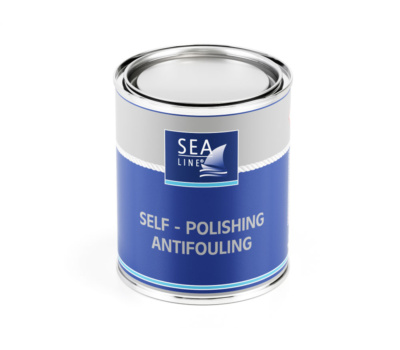
The self-polishing antifouling paint is a product recommended primarily for protecting the hulls of fiberglass
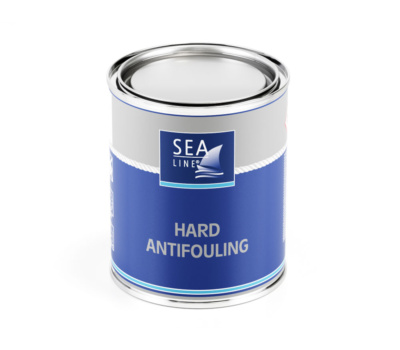
Hard antifouling is a hard antifouling paint recommended for owners of motorboats and sailboats moving
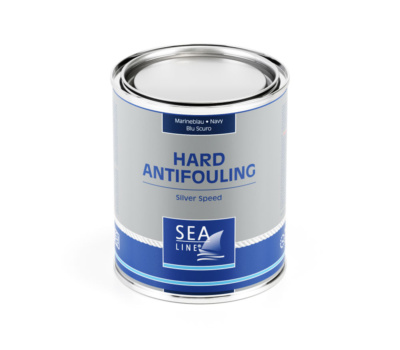
Silver Speed HARD Antifouling is a hard antifouling paint, effectively preventing fouling organism: aquatic plants
Yes, you can paint the bottom of the boat with polyurethane paint due to its high mechanical strength. We recommend this solution when the boat is not launched for a long time and is not exposed to fouling.
We do not recommend using universal thinners. The use of a thinner with an unknown composition may result in loss of adhesion, lack of proper flow of paint and varnish defects.
Troton Sp z o.o.
78-120 Gościno
Ząbrowo 14A
Polska
Sąd Rejonowy w Koszalinie IX Wydz. KRS 0000187692;
Kapitał zakładowy 8 215 000 PLN


 Facebook
 YouTube
 Instagram
 Guide
Guide Contact
 Newsletter