We are pround to join ICOMIA as a Sustaining Member.
ICOMIA is the international trade association representing the global marine industry since 1966. ICOMIA brings together marine industry associations from across the world in one global organisation and represents them at international level, presenting a strong and united voice when dealing with issues challenging the industry.
Main reason why we are joining ICOMIA is the fact that the chemical industry where we operate is facing with dynamical changes in regulations of EU and regulations of individual countries. Sometimes directives are contradictory or difficult to interpret. We hope that with the support of the chamber we will be able to keep up with them and be ahead of them enough to offer our customers a safe and sustainable product. We are looking forward to synergy of community of yachting paints and chemicals producers.
http://www.icomia.org/
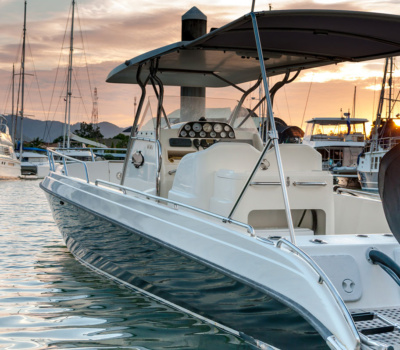
We are expanding our offer by introducing two new products that will provide boat enthusiasts
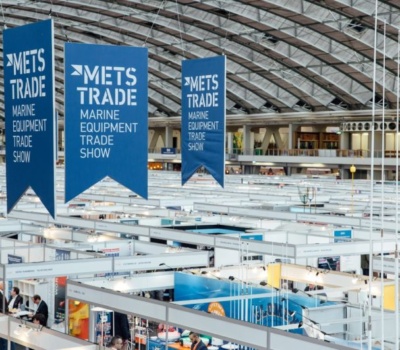
Come and join us at METSTRADE 2023, METSTRADE the best event for marine industry professionals,
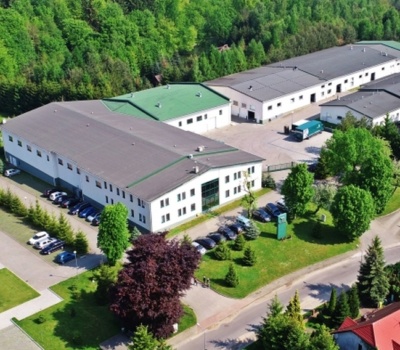
Visit us and our production plant without traveling
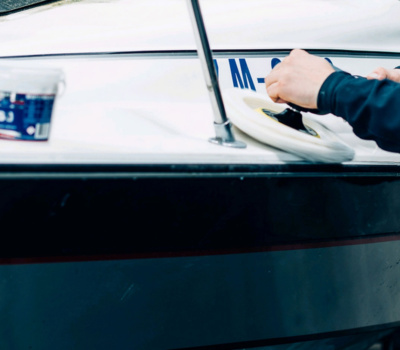
New in the 2023 season is a new polishing wool The new black and white
Yes, you can mix Sea-Line polyurethane paints. The only difference are the pigments of polyurethane paints that determine the color of the paint. But remember to keep the right proportions of base, hardener and thinner.
Yes, you can paint the bottom of the boat with polyurethane paint due to its high mechanical strength. We recommend this solution when the boat is not launched for a long time and is not exposed to fouling.
Troton Sp z o.o.
78-120 Gościno
Ząbrowo 14A
Polska
Sąd Rejonowy w Koszalinie IX Wydz. KRS 0000187692;
Kapitał zakładowy 8 215 000 PLN


 Facebook
 YouTube
 Instagram
 Guide
Guide Contact
 Newsletter