We are happy to introduce in Sea-Line offer five new gelcoat filler shades:
To make the selection of the color easier, we marked fillers with a scale from 01 to 06. Number 01 means the lightest shade of white, and 06 is the darkest. To make shade choice easier we supply nautical stores which offer our products with gelcoat samples board.
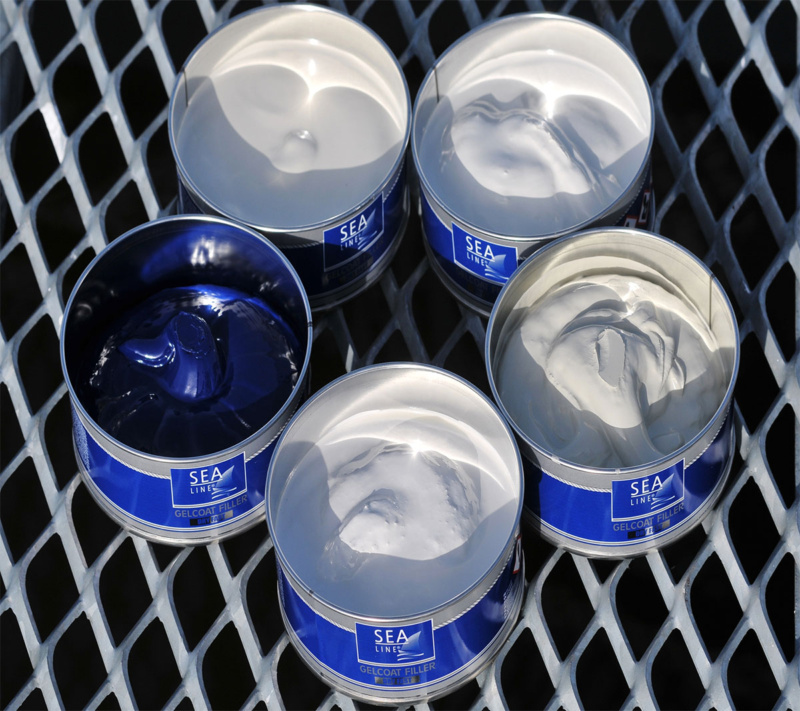
All Sea-Line gelcoat fillers are available in a capacity of 250g
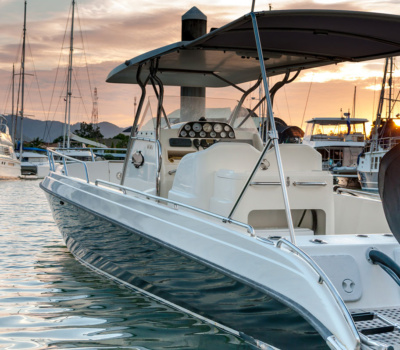
We are expanding our offer by introducing two new products that will provide boat enthusiasts
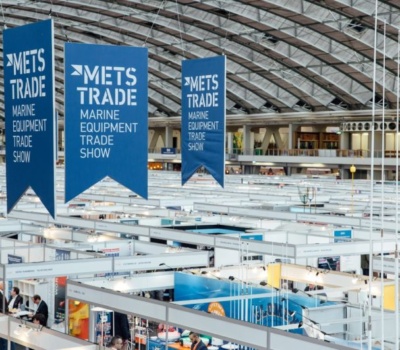
Come and join us at METSTRADE 2023, METSTRADE the best event for marine industry professionals,

Visit us and our production plant without traveling
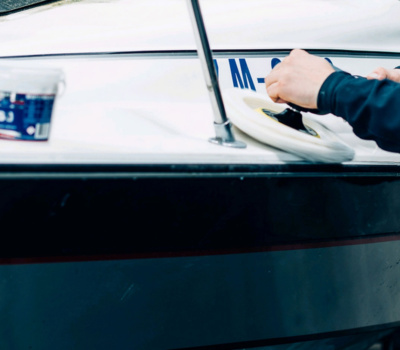
New in the 2023 season is a new polishing wool The new black and white
We do not recommend using universal thinners. The use of a thinner with an unknown composition may result in loss of adhesion, lack of proper flow of paint and varnish defects.
Yes, you can mix Sea-Line polyurethane paints. The only difference are the pigments of polyurethane paints that determine the color of the paint. But remember to keep the right proportions of base, hardener and thinner.
There is a possibility of thinning antifouling, but we do not recommend this procedure due to the risk of reducing the effectiveness of the paint. If it is necessary to thin the antifouling paint, it is recommended to dilute it to a maximum of 0-5% (by volume).
Troton Sp z o.o.
78-120 Gościno
Ząbrowo 14A
Polska
Sąd Rejonowy w Koszalinie IX Wydz. KRS 0000187692;
Kapitał zakładowy 8 215 000 PLN


 Facebook
 YouTube
 Instagram
 Guide
Guide Contact
 Newsletter