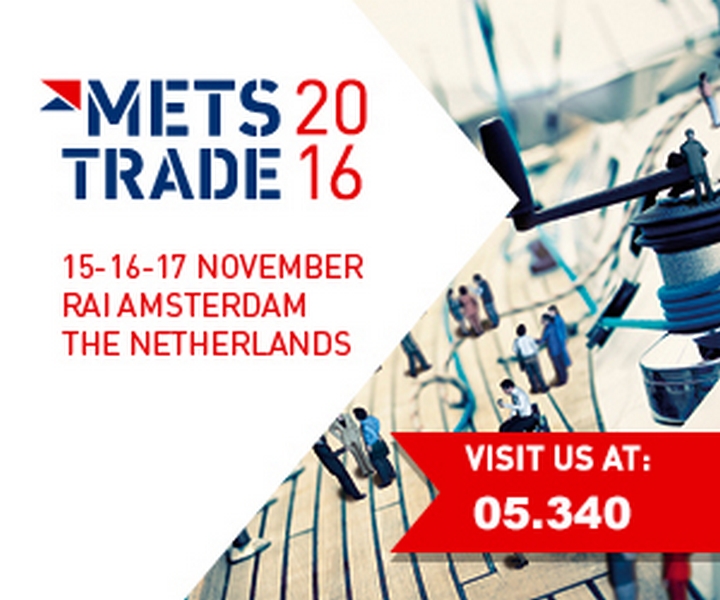
We would like to invite you to visit our booth and take the opportunity to meet. This edition is exceptional because the first time will be Polish Pavilion where our stand will be located.
We are in hall 5 stand 340. To schedule a meeting or catch up over a coffee, email to us or call !
info@sea-line.eu
We are looking forward to meet you.
See you in Amsterdam!
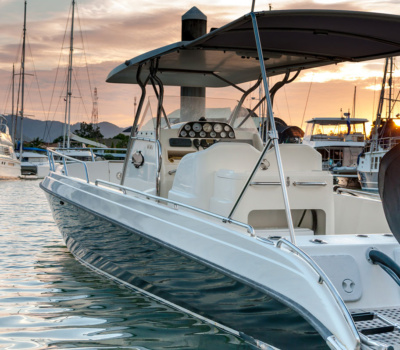
We are expanding our offer by introducing two new products that will provide boat enthusiasts
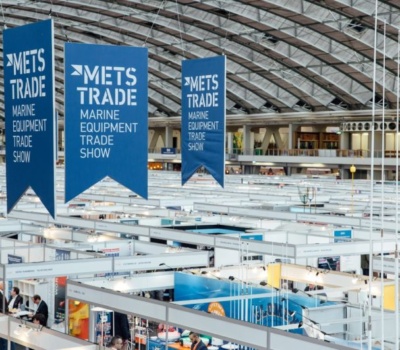
Come and join us at METSTRADE 2023, METSTRADE the best event for marine industry professionals,
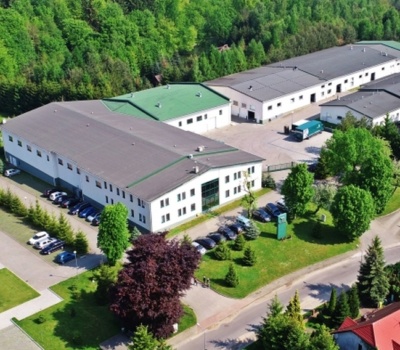
Visit us and our production plant without traveling
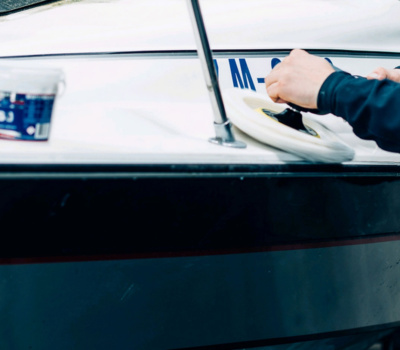
New in the 2023 season is a new polishing wool The new black and white
There is a possibility of thinning antifouling, but we do not recommend this procedure due to the risk of reducing the effectiveness of the paint. If it is necessary to thin the antifouling paint, it is recommended to dilute it to a maximum of 0-5% (by volume).
We recommend to always sand the surface between applying two different products to ensure uniform surface roughness and adhesion of subsequent layers. The sanded surface should also be cleaned and degreased.
We do not sell retail. Our products can be found in many stores in Poland and abroad. Our distributors run stationary and online stores. The full list of distributors and contacts can be found on our website at the following link click here.
Troton Sp z o.o.
78-120 Gościno
Ząbrowo 14A
Polska
Sąd Rejonowy w Koszalinie IX Wydz. KRS 0000187692;
Kapitał zakładowy 8 215 000 PLN


 Facebook
 YouTube
 Instagram
 Guide
Guide Contact
 Newsletter