
12 mm is the perfect tool for the application of epoxy primers and antifoulings. It is available in widths of 30, 50 and 70 mm. The brush may also be used for application of topcoats, polyurethane varnishes and enamels.
A mixture of natural bristle hair fibers with PET (50/50%), is a combination of a suitable material absorbency and easy application appropriate thickness of the layers of paint. The construction of galvanized caps combined with hardiness- solvent-adhesive prevents hair loss.
| Width | Code |
|---|---|
| 30 mm | 300006820 |
| 50 mm | 300006821 |
| 70 mm | 300006822 |
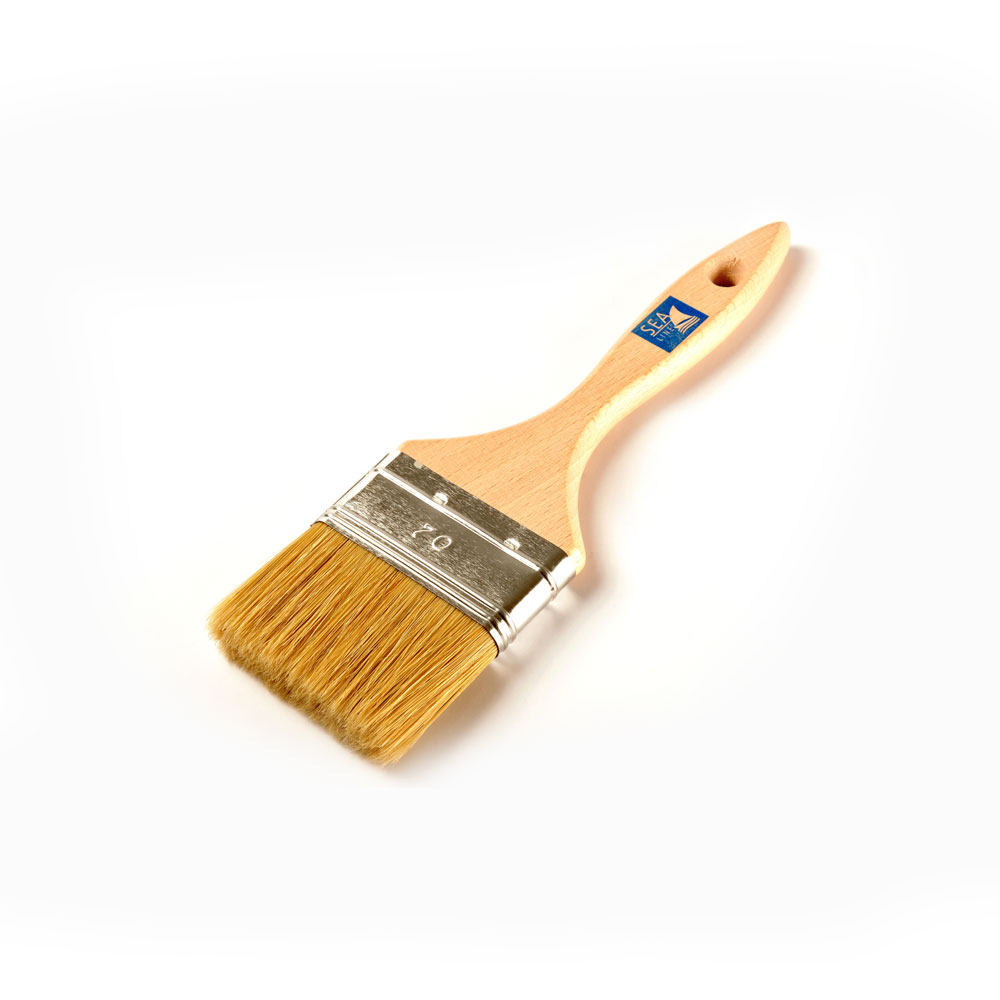
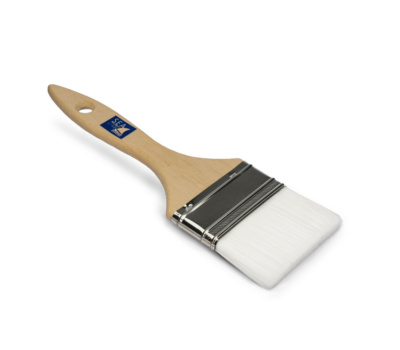
Especially recommended for topcoat paint – enamel, paints, varnish, clear coats and gel coats. Computermolded
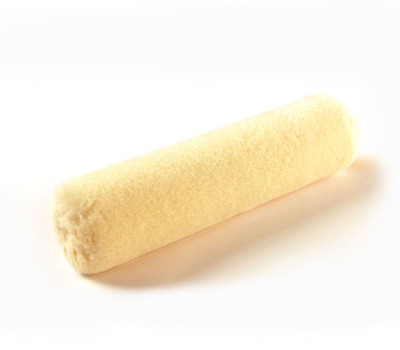
Made from the highest quality natural lamb wool (100%) of the fleece long-guests 4mm is
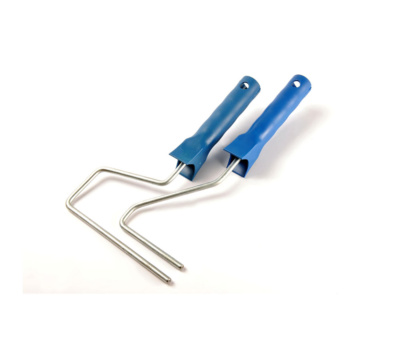
Roller with a width of 150 mm and a thickness of 35 mm is the
There is a possibility of thinning antifouling, but we do not recommend this procedure due to the risk of reducing the effectiveness of the paint. If it is necessary to thin the antifouling paint, it is recommended to dilute it to a maximum of 0-5% (by volume).
We recommend to always sand the surface between applying two different products to ensure uniform surface roughness and adhesion of subsequent layers. The sanded surface should also be cleaned and degreased.
Troton Sp z o.o.
78-120 Gościno
Ząbrowo 14A
Polska
Sąd Rejonowy w Koszalinie IX Wydz. KRS 0000187692;
Kapitał zakładowy 8 215 000 PLN


 Facebook
 YouTube
 Instagram
 Guide
Guide Contact
 Newsletter