Wyszukaj na stronie

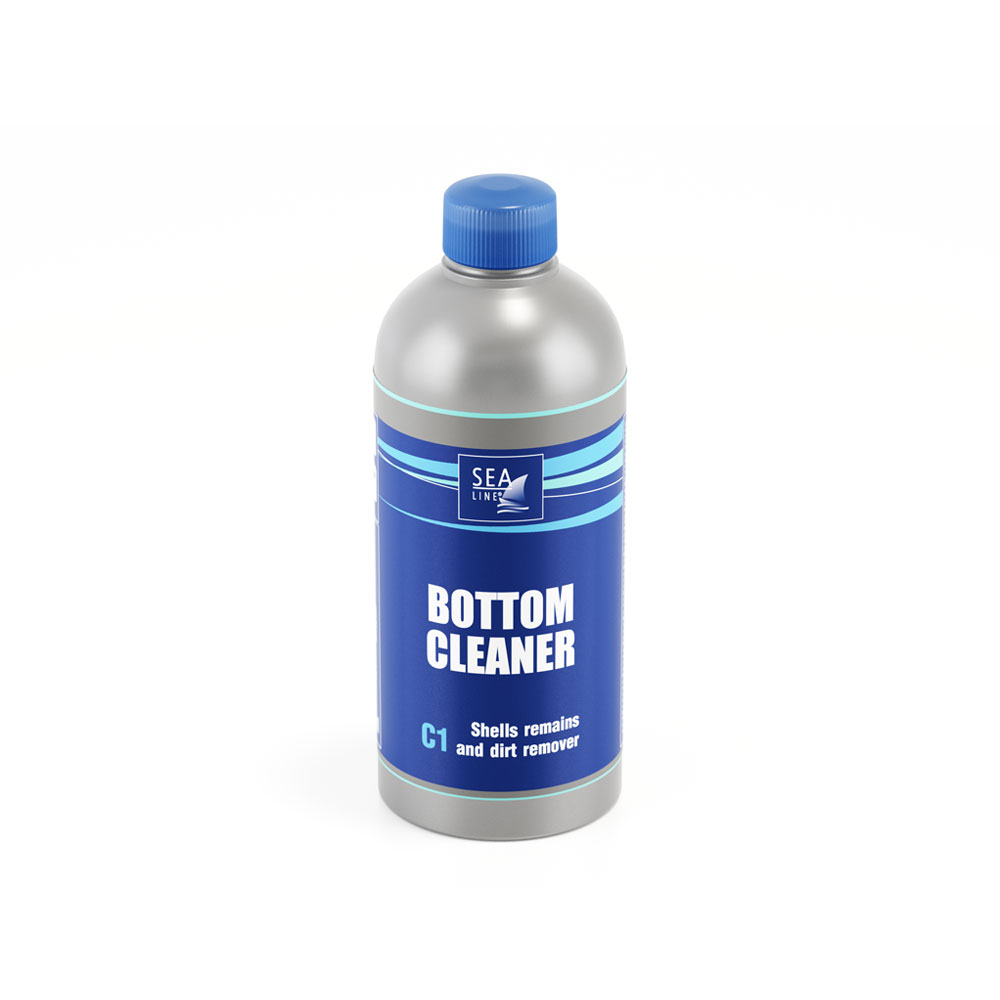
C1 Bottom Cleaner

C1 BOTTOM CLEANER is a powerful, effective formula to rapidly remove dirt, rests of shells from boat hull.

CapacityCode
500 ml300006978
C1 Bottom Cleaner

Color

  • brown (transparent)

Application method

Manually:

  • atomizer (included)

Product description "C1 Bottom Cleaner"

C1 Bottom Cleaner is an economical, efficient, and strong, very effective product for independent use in removing dirt and residues from the surface of the boat’s bottom:

  • algae
  • seaweed
  • shells
  • barnacles

Thanks to the modern formula, the cleaning effects of the product are visible a few minutes after application.

Consistency:

  • Liquid

Odour:

  • Acre

Solubility in water:

  • 100%

PH at 20°C:

  • <1 (contains acids – see MSDS)

Surface preparation

  • Clean the surface with water to remove dirt.
  • Apply in small quantity on the surface and leave for 5 to 15 minutes.
  • Remove the dirt and treated with a fresh water under pressure or use a sponge kitchen with plenty of rinsing with water.

In cases of very heavy dirt, can re-apply product and remove it after approximately 10 minutes.

NOTE:

When using C1 SUPER STRONG, wear personal protective equipment, such as:
  • protective clothing,
  • goggles,
  • gloves

You have questions about the product - C1 Bottom Cleaner

    Also check

    Our FAQ answers to frequently asked questions

    Can I use selfpolishing Sea-Line and HARD Sea-Line antifoulings on aluminium boat?

    Sea-Line HARD and Sea-Line self-polishing antifouling are not intended for aluminum surfaces. They include copper oxide, which in contact with aluminum causes galvanic corrosion. Especially on aluminum, we offer ALU-PLUS self-polishing anti-fouling paint, which, in addition to excellent adhesion to aluminum, is also 30% more effective than traditional anti-fouling paints.

    Why the paint does not have the right flow?

    Possible causes

    • No thinning, wrong thinner or wrong amount of thinner
    • Wrong type of roll or brush (wrong bristle lenght)
    • Applying too much or too Little paint,
    • During painting process temperature was too high or the air was too dry,
    • Incorrect preparation of too porous surface,
    • Incorrect proportion of thinner.

    How to prevent

    • Use a brush/Toller suited to the type of surface or paint,
    • Use thinner which is dedicated to the type of application and paints
    • Use thinning proportions which was indicated by manufacturer,
    • Paint in right atmosphere conditions indicated by manufacturer,

    How to remove

    • Grind, clean and paint again.

    Why does the paint have no adhesion?

    Possible causes

    • Wrong surface preparation,
    • Skipping the primer in the system application process,
    • Use of universal thinners or replacements ,
    • Paint incompatibility.

    How to prevent

    • Correct surface preparation (grinding, clearing, degreasing),
    • Use primers which improve adhesion of paints,
    • Use thinners which are dedicated to each paints,
    • Use of paints which are compatible to each other.

    How to remove

    • Grind, clean and paint again.
    Wyjście
    Przeiń na górę