
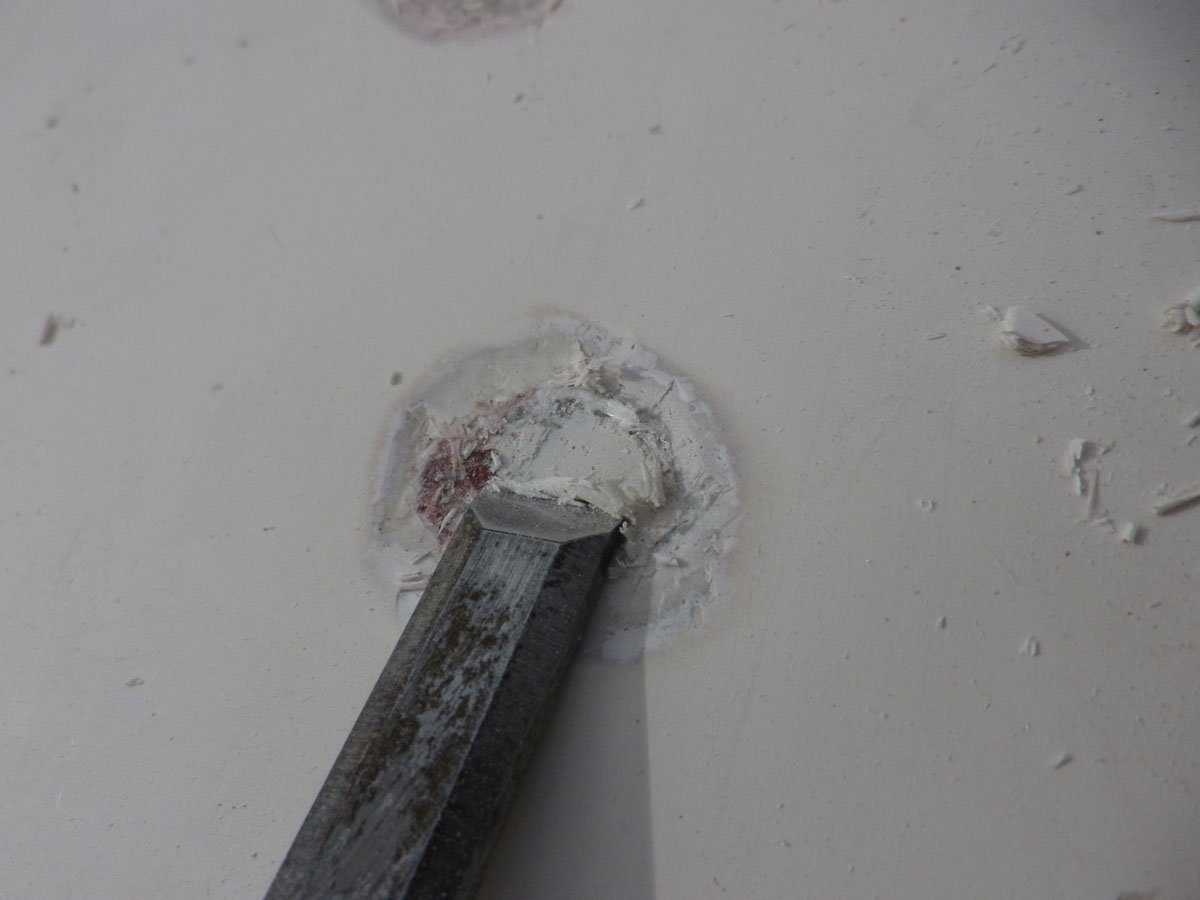
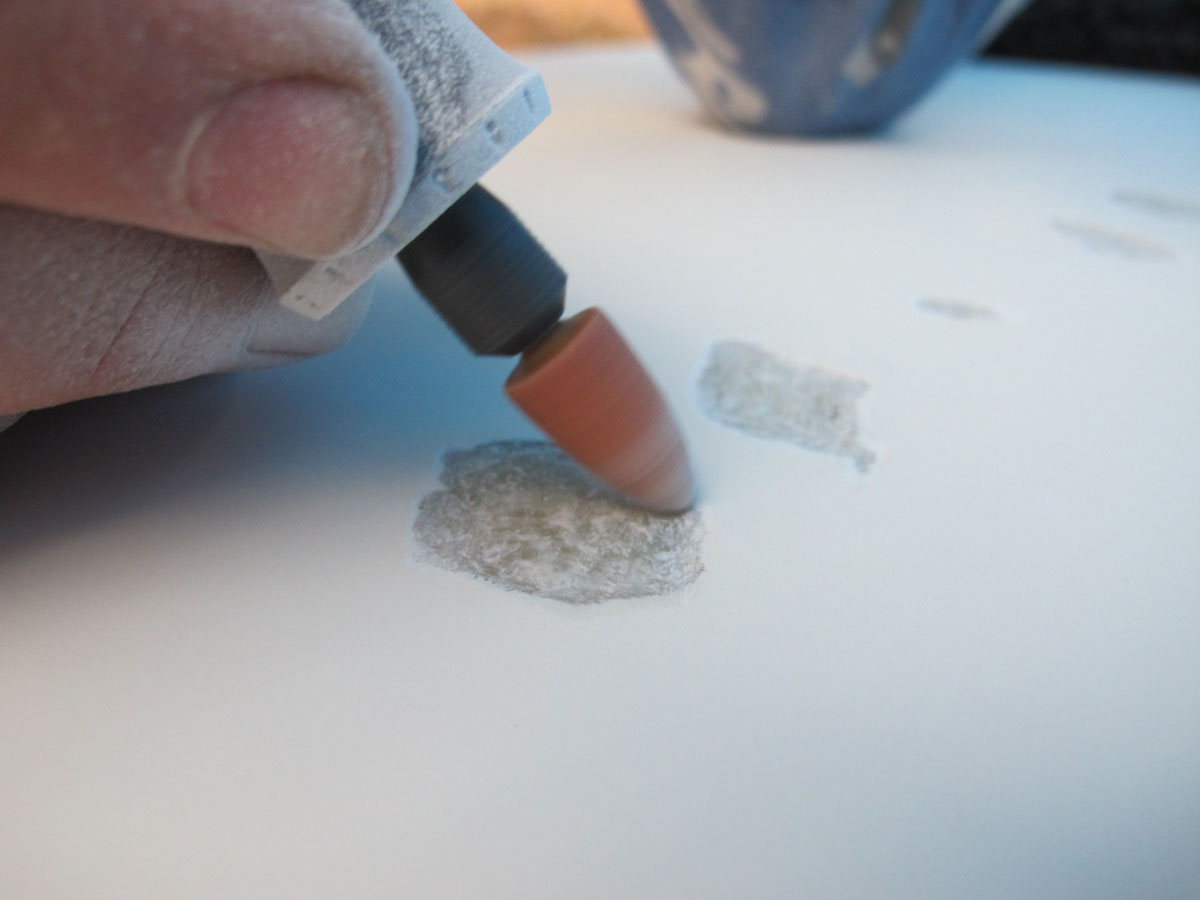
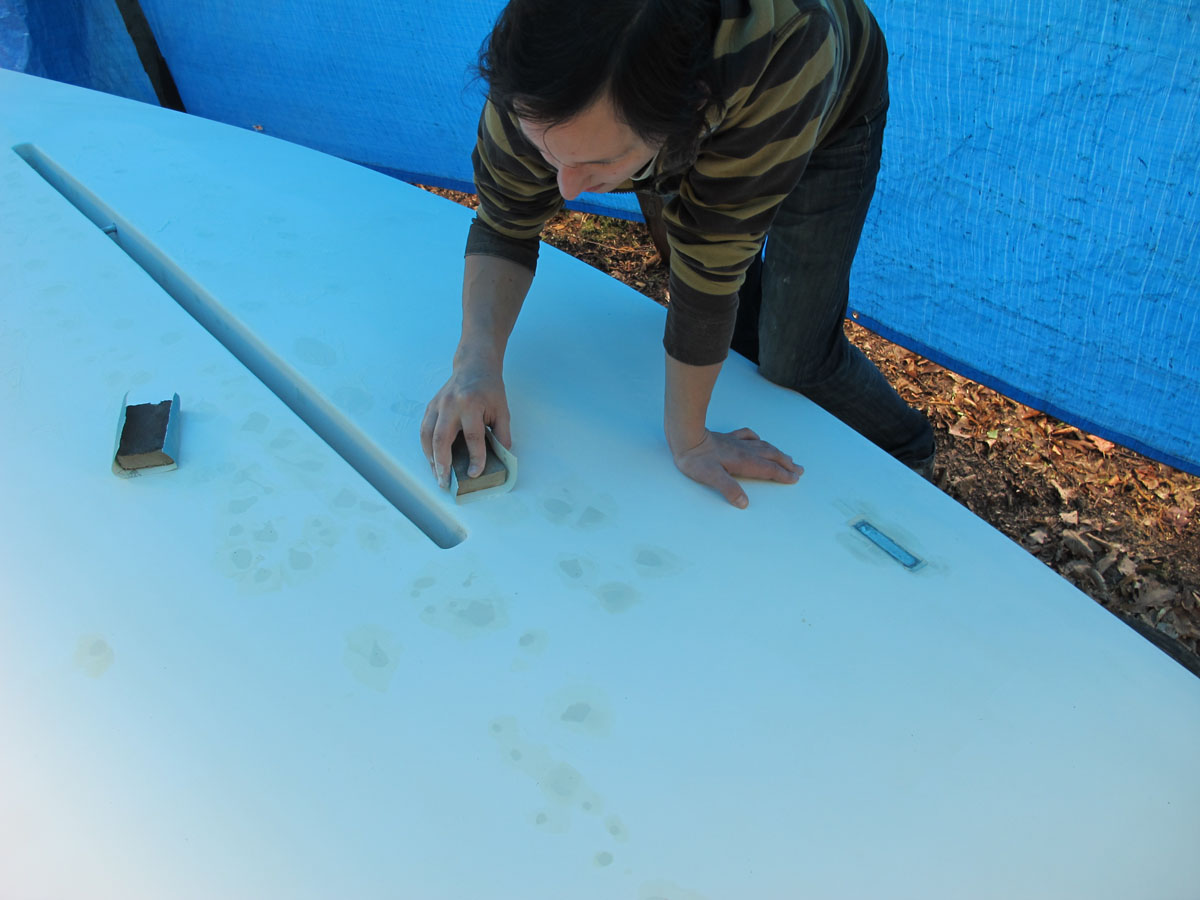
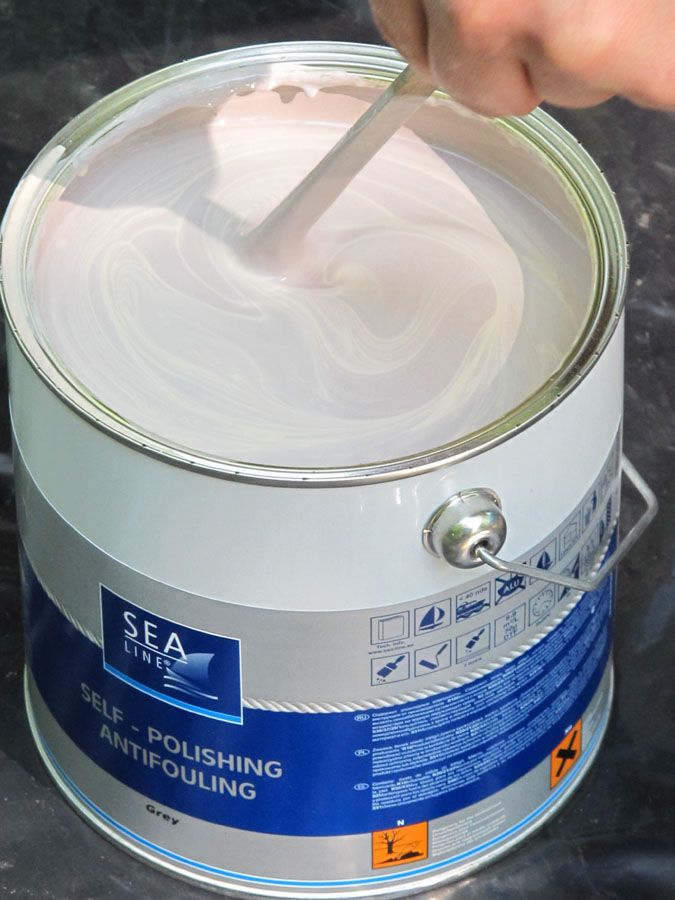
“The next layer isantiosmoticHSEpoxy Primer Sea-Line. It is verydense, you have to get used toher characterand learnto imposeequallayerswith a roller.Withthree layersshouldgo.Certainlymoreamazedpeoplewould achievebetter effect,butfor a firstcontactwith this type ofworkthe end resultwas verysatisfactory. Thanks largely tothe paint, which does not dripso easyandgoodspillsto forma uniform layer. “
Full reportofrenovationJakubaMitki
Description ofrepaircan be found at: http://kluczka.pl/blog/
andin the journalYacht-Market,March 2015
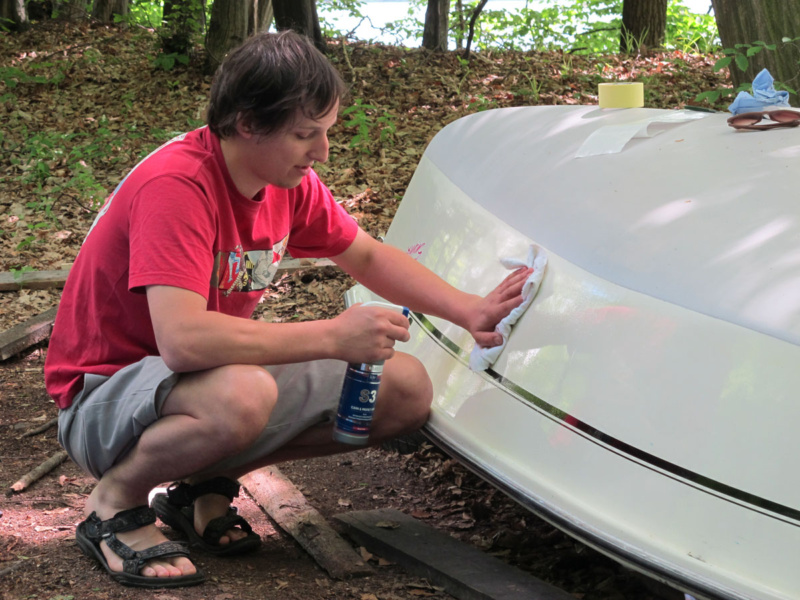
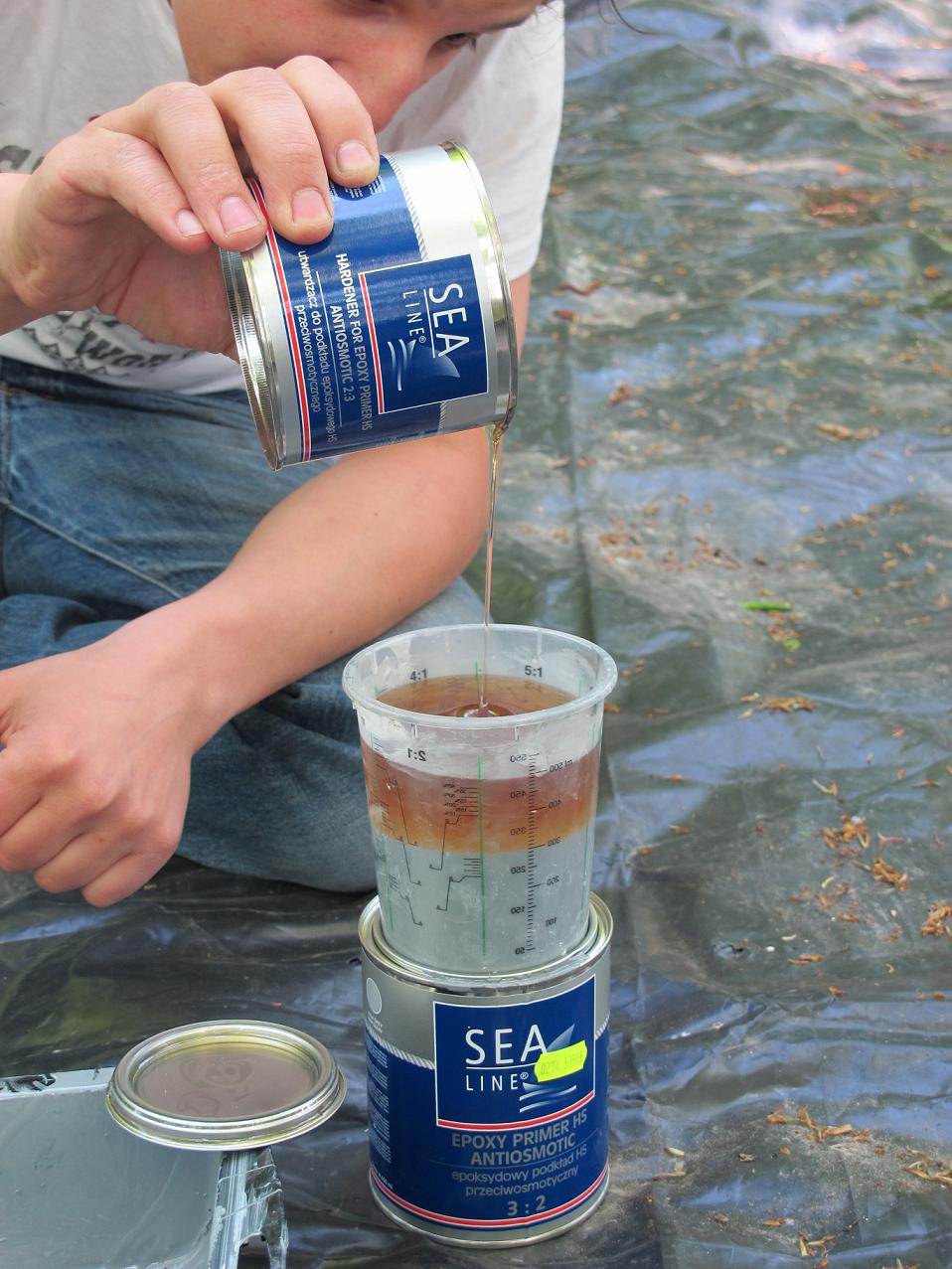
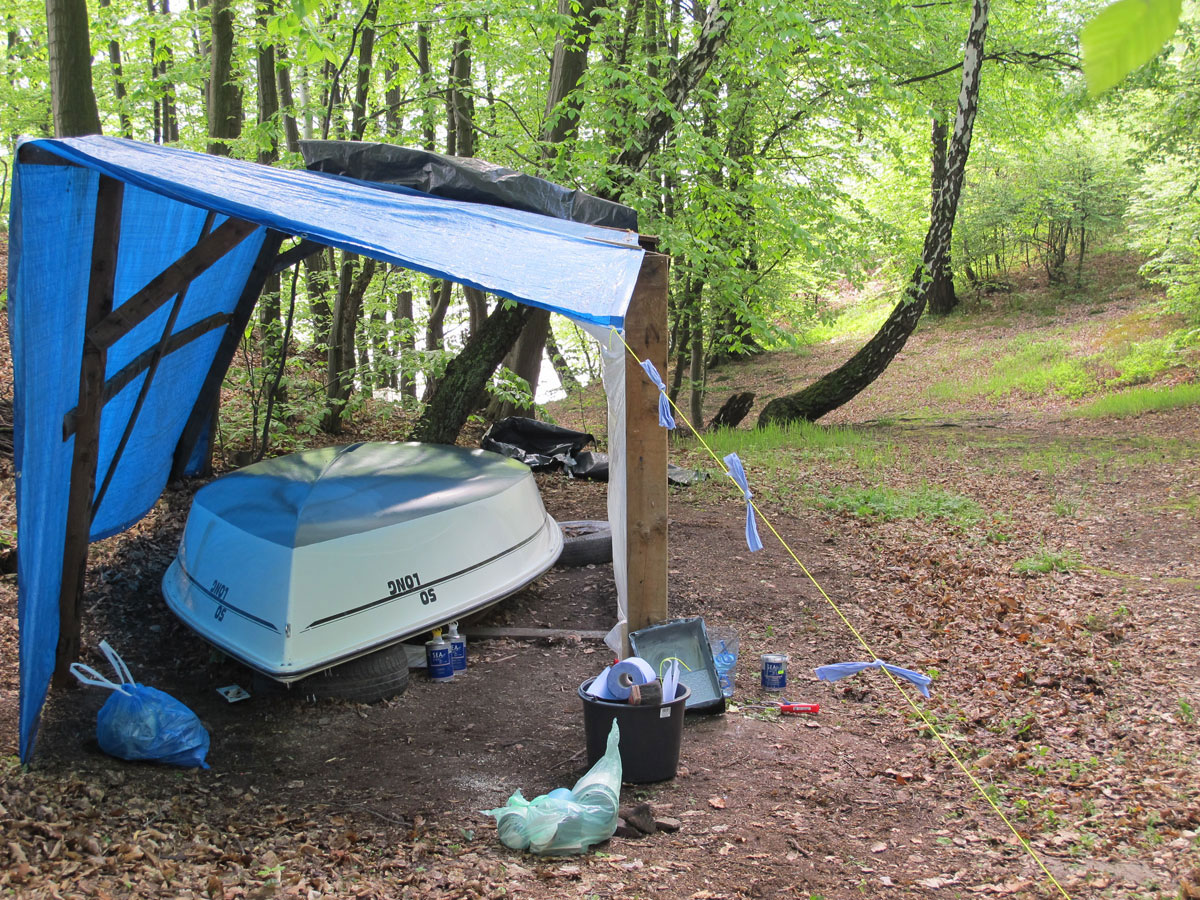
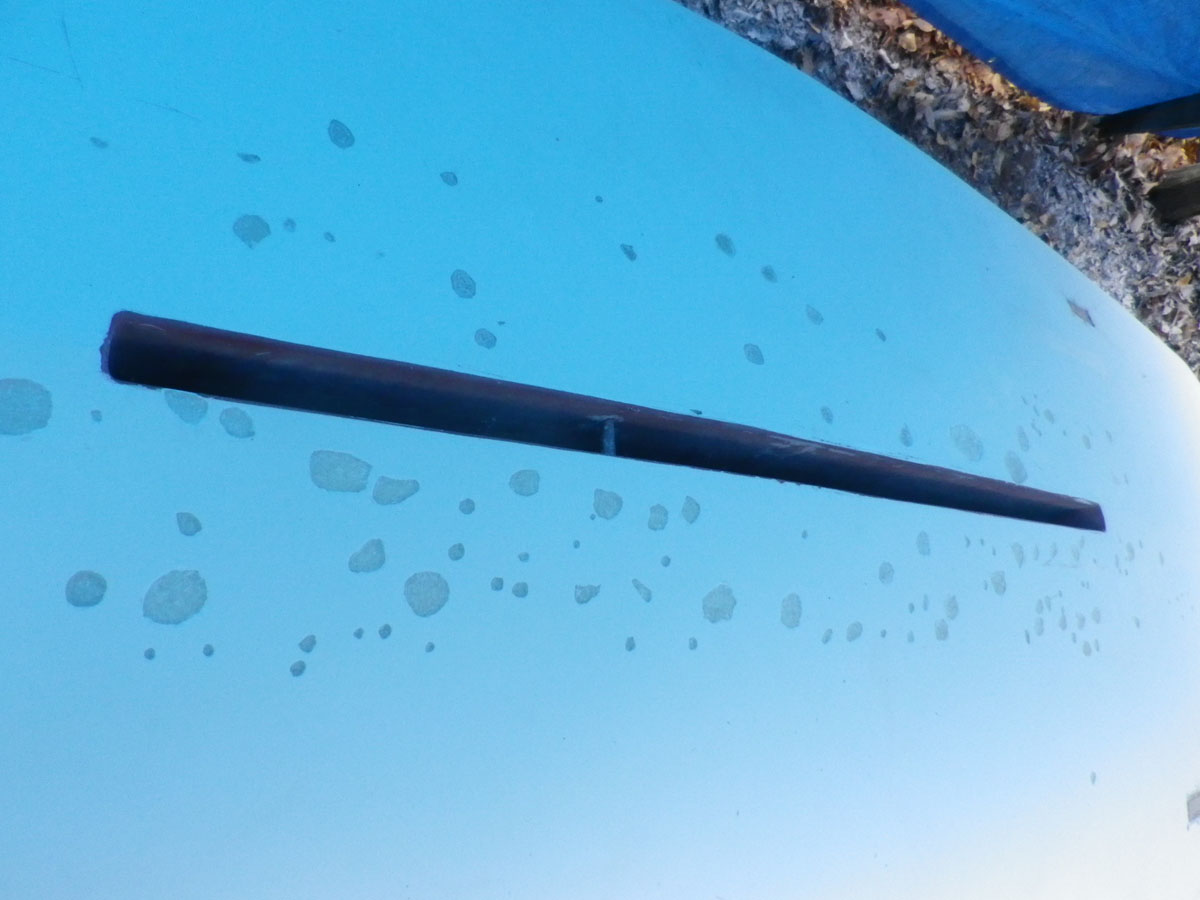
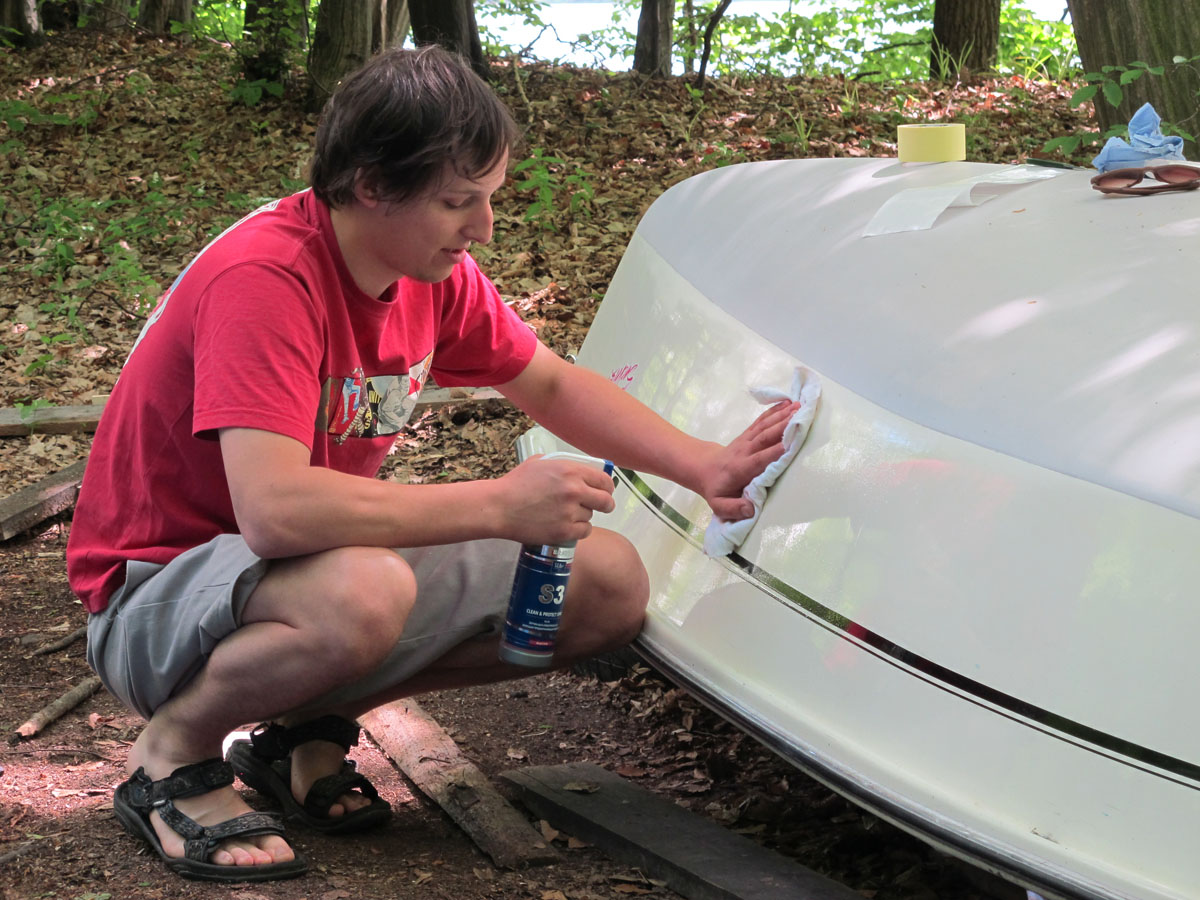
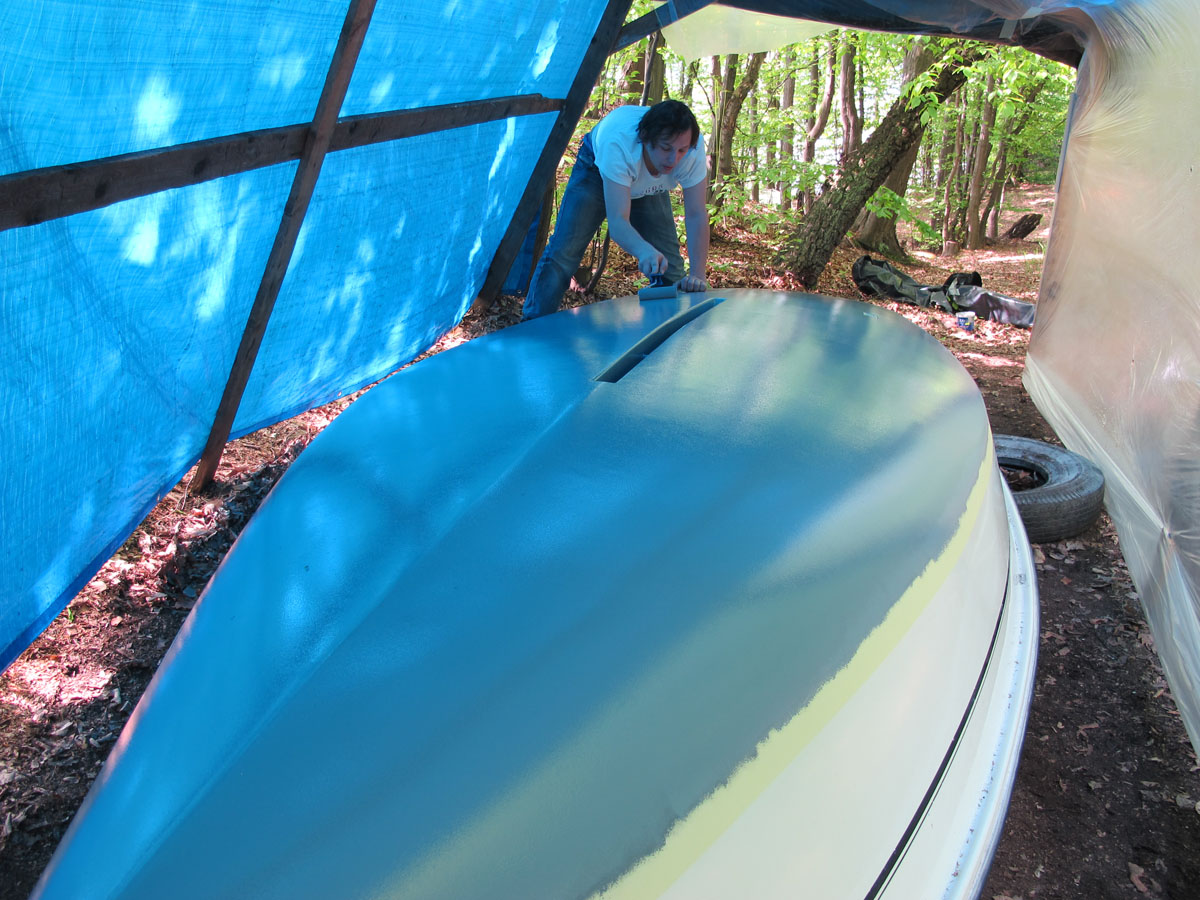
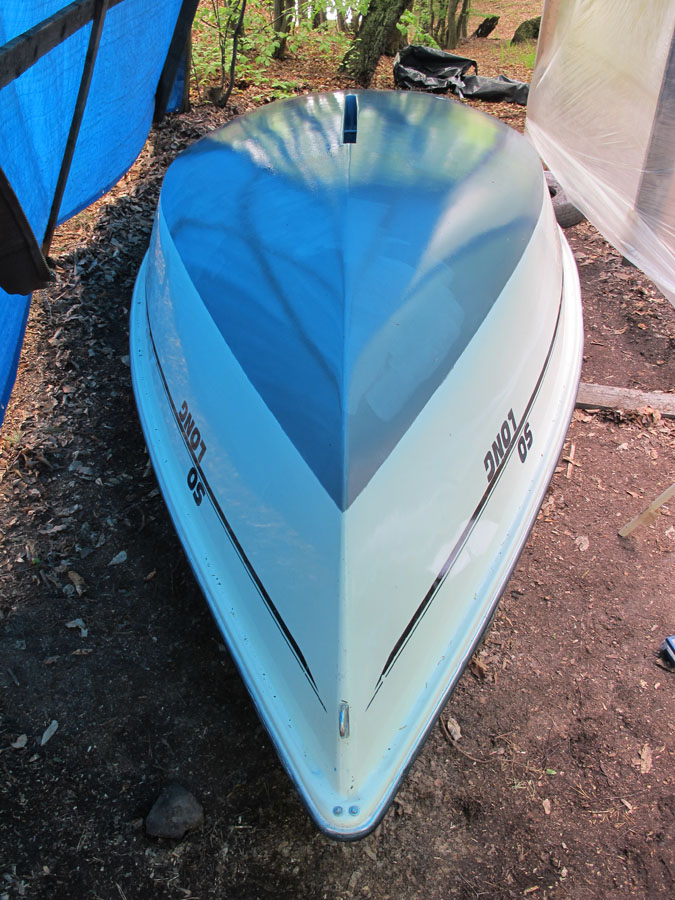
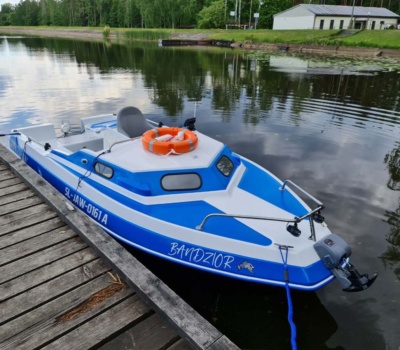
Renovation of the Spanish motorboat Ducauto caribe. “Cut in half, gutted and made according to
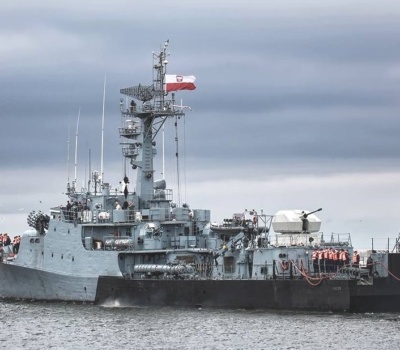
Cosmetics Sea-Line use in Polish Army for cleaning and protect Sea Gun AM35 on „ORP
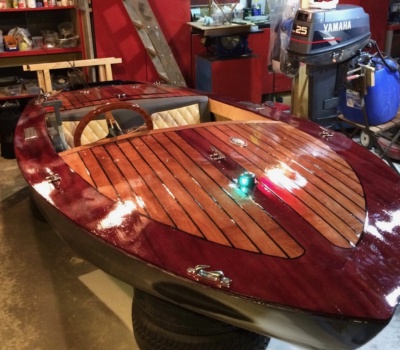
Mr. Wojciech Ceiślik, boatbuilder Glen-L Squirt: „I recommend Sea-Line products to everyone who builds and
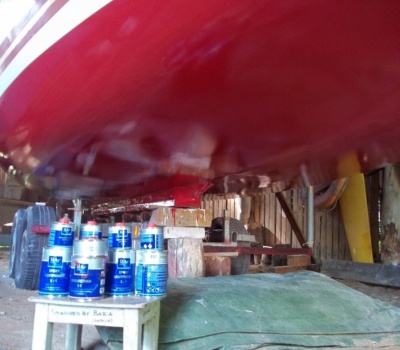
„… It was not easy, hard job on knees with mask and glasses. Feeling like
There is a possibility of thinning antifouling, but we do not recommend this procedure due to the risk of reducing the effectiveness of the paint. If it is necessary to thin the antifouling paint, it is recommended to dilute it to a maximum of 0-5% (by volume).
If the scratches are not deep, then we can renew the scratched side by polishing with Sea-Line polishing pastes. Above the waterline, when the scratches are not deep, the surface can be repaired with a DRY FAST gel coat filler. Deep scratches should be filled with epoxy filler (selected depending on the requirements of the scratched surface), painted with a primer and then painted with topcoat.
We do not sell retail. Our products can be found in many stores in Poland and abroad. Our distributors run stationary and online stores. The full list of distributors and contacts can be found on our website at the following link click here.
Troton Sp z o.o.
78-120 Gościno
Ząbrowo 14A
Polska
Sąd Rejonowy w Koszalinie IX Wydz. KRS 0000187692;
Kapitał zakładowy 8 215 000 PLN


 Facebook
 YouTube
 Instagram
 Guide
Guide Contact
 Newsletter