Wyszukaj na stronie

Protection de la quille

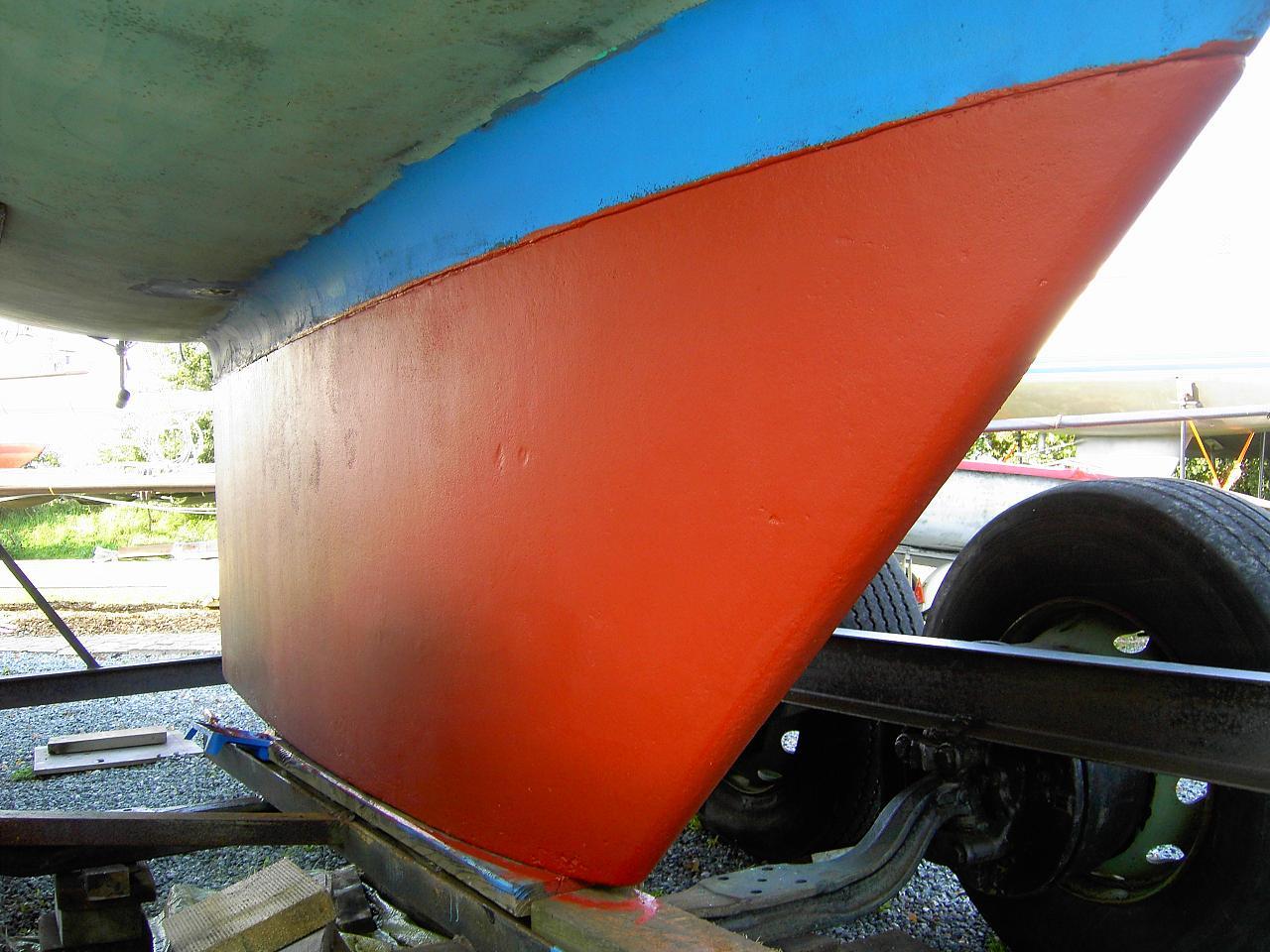
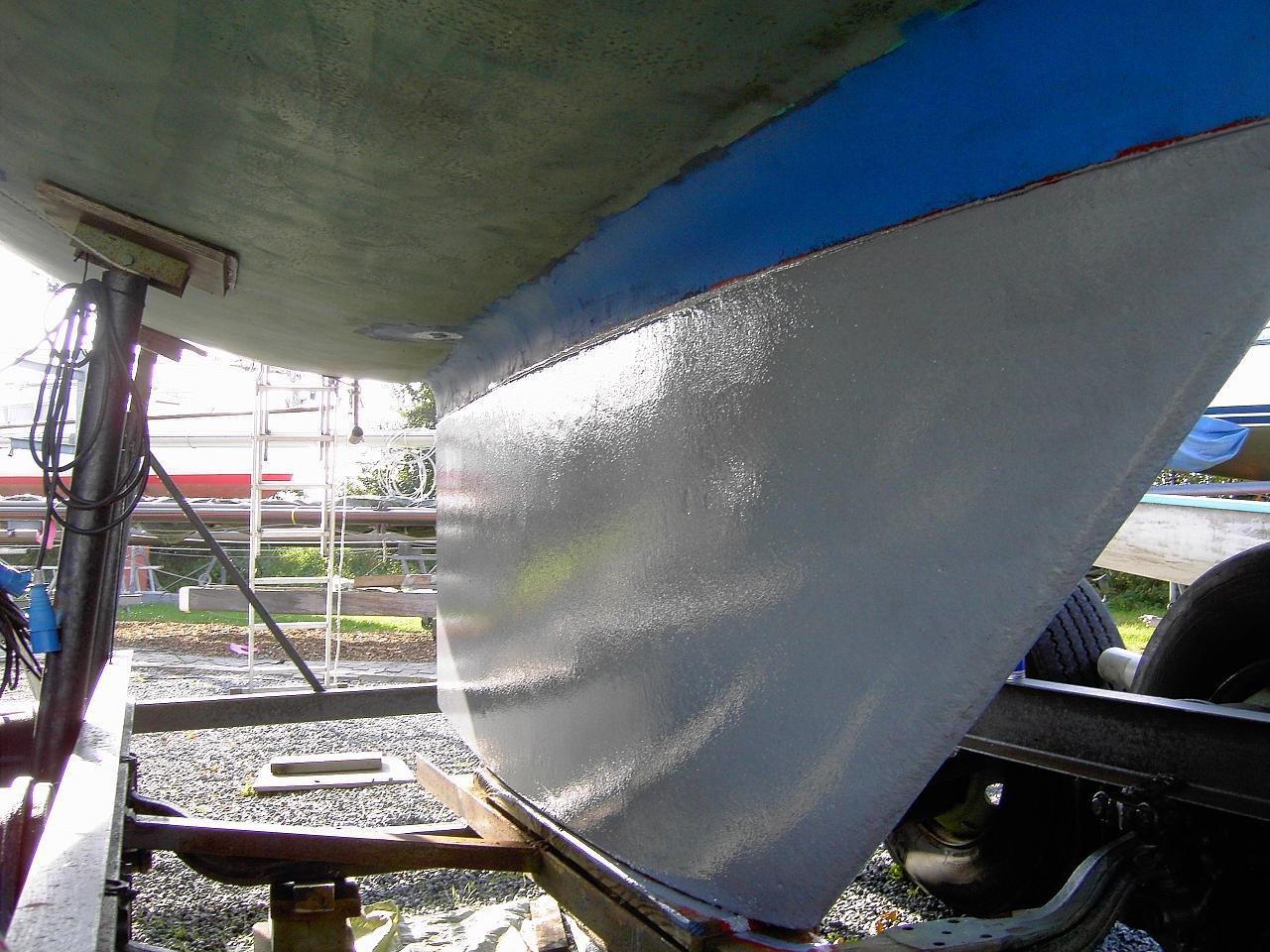
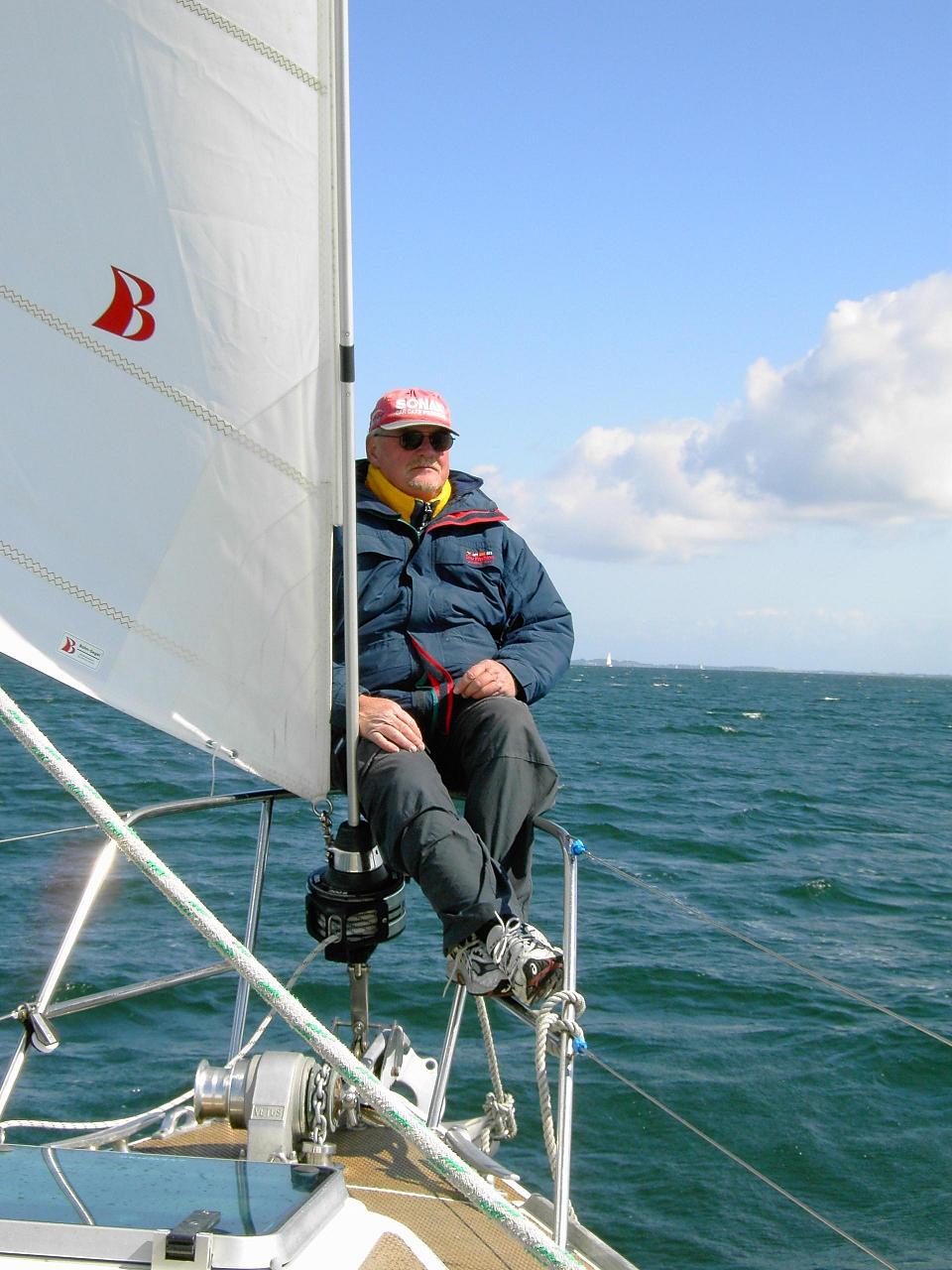
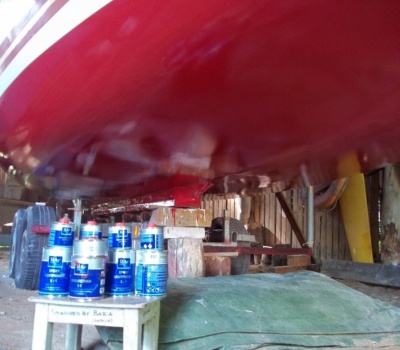
« La protection de la quille a été effectuée en 2010. La quille a été peinte avec une couche d’apprêt époxy Epoxy Primer HS 3:2 Sea-Line® et un apprêt époxy anti-corrosion 4:1 Sea-Line®. Effet durable et aucune raison de se plaindre. »

Alfred Weiskeller, bateau Dulcibella, Germany

Protection de la quille

Warning: Undefined variable $gallery_style in /home/klient.dhosting.pl/troton/sea-line.eu/public_html/wp-content/themes/Sea-Line/functions.php on line 172

Warning: Undefined variable $gallery_style in /home/klient.dhosting.pl/troton/sea-line.eu/public_html/wp-content/themes/Sea-Line/functions.php on line 172
  • eigene bilder dulcibella kiel klein
  • eigene bilder dulcibella kiel klein
  • lucibella
  • lucibella

Aby prawidłowo wykonać „zabezpieczenie kila” :

Krok 1:
Zabezpieczenie kila rozpoczynamy od oczyszczenia powierzchni za pomocą czystego papieru lub szmatki.
Do odtłuszczenia użyj zmywacza: Cleaner Se-Line®.

Krok 2:
Przeszlifuj papierem ściernym o gramaturze P80 do P180 (w zależności od użytej technologi – patrz TABELA ZASTOSOWANIA PAPIERÓW ŚCIERNYCH.
Odkurz w celu usunięcia wszystkich pozostałych pyłów i zanieczyszczeń.

Krok 3:
Tak przygotowaną powierzchnię w celu zabezpieczenia kila pokryj w pierwszej kolejności 2-3 warstwami Podkładu epoksydowego antykorozyjnego 4:1 Sea-Line® z rozcieńczalnikiem do wyrobów epoksydowych Sea-Line®: wałek 5-25% lub natrysk 10-50%.
Jeżeli kolejna warstwy podczas naprawy zostaną nakładane dłużej niż po upływie 120h (5 dni), powierzchnię przeszlifuj papierem ściernym P320 do P400

Krok 4:
Uzupełnij uszkodzenia:

  • Szpachlą Epoksydową Uniwersalna Sea-Line® – małe uszkodzenia,szybkie naprawy.
  • Szpachlą Epoksydową Lekka Sea-Line® – duże powierzchnie i średnie uszkodzenia.
  • Szpachlą Epoksydową z włóknem szklanym Sea-Line® – głębokie uszkodzenia.

Krok 5:
Przeszlifuj papierem ściernym o gramaturze P120 do P180 (w zależności od użytej technologi – patrz TABELA ZASTOSOWANIA PAPIERÓW ŚCIERNYCH).
Odkurz w celu usunięcia wszystkich pozostałych pyłów i zanieczyszczeń.
W razie potrzeby do odtłuszczenia użyj zmywacza: Cleaner Sea-Line®
Vous avez des questions sur "Protection de la quille"

    Vérifie aussi

    Notre FAQ réponses aux questions fréquemment posées

    Puis-je utiliser des peintures marines pour un réservoir d’eau potable?

    Les peintures marines Sea-Line sont conçues pour peindre les surfaces des bateaux et des yachts fabriqués à partir de différents types de matériaux, tels que le stratifié, le bois ou l’acier. Nous ne disposons pas du certificat de l’Institut National de Santé Publique qui autoriserait l’utilisation de la peinture marine pour peindre un réservoir d’eau potable.

    Impuretés dans la peinture de finition?

    Possibles causes

    • Nettoyage insuffisant de la surface avant l’application de la peinture,
    • Préparation inadéquate des outils de peinture (pinceaux, rouleaux),
    • Travailler dans un endroit exposé à une exposition constante à la poussière.

    Comment prévenir ?

    • Préparer soigneusement la surface (ponçage, nettoyage, dégraissage),
    • Préparer correctement les outils de peinture avant utilisation,
    • Veiller à la propreté appropriée de l’endroit de travail.

    Comment corriger ?

    • Poncer, nettoyer et repeindre.

    Puis-je utiliser l’antifouling Selfpolishing Sea-Line et Hard Sea-Line sur un bateau en aluminium?

    Les antifoulings Selfpolishing Sea-Line et HARD Sea-Line ne sont pas destinés aux surfaces en aluminium. Ils contiennent de l’oxyde de cuivre, qui en contact avec l’aluminium, provoque la corrosion galvanique. Spécialement pour l’aluminium, nous vous proposons la peinture antifouling auto-polissante ALU-PLUS, qui, en plus d’une excellente adhérence à l’aluminium, se distingue par une efficacité accrue de 30% par rapport aux peintures antifouling traditionnelles.

    Wyjście
    Przeiń na górę