
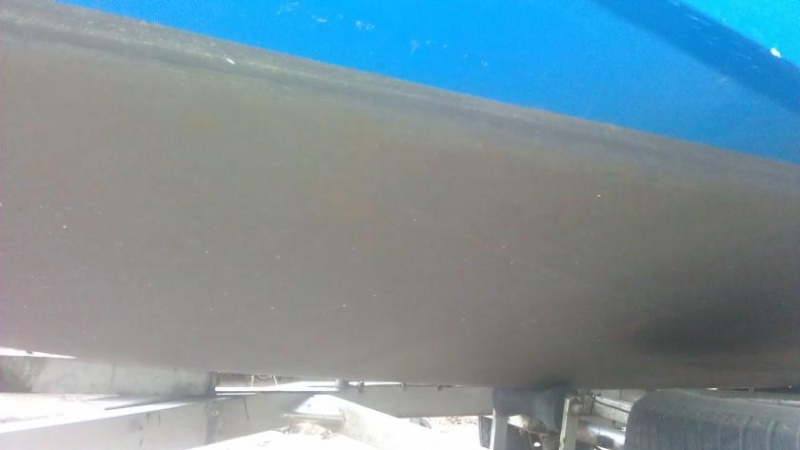
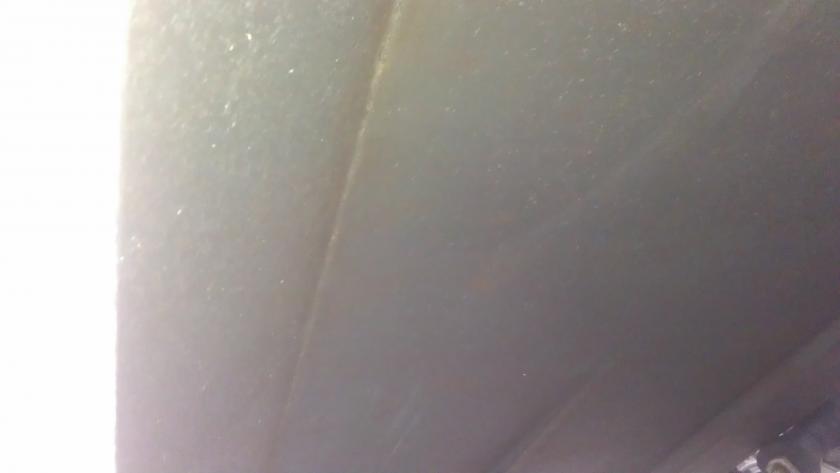
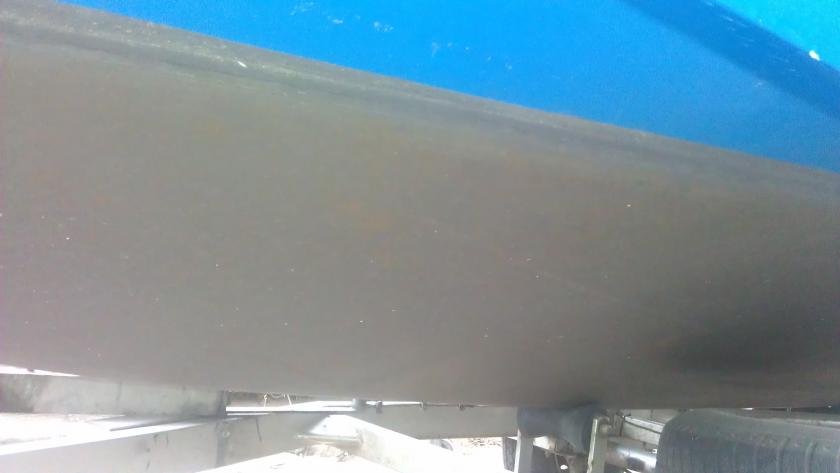
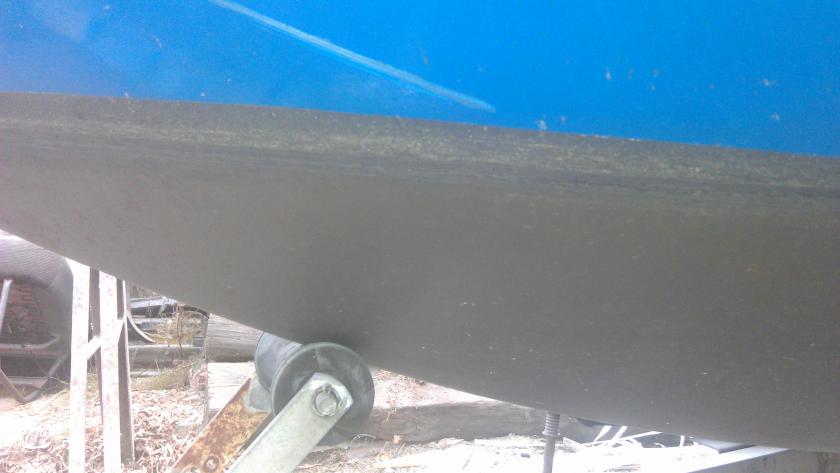
The hull was painted follow recommendations of Sea-Line manufacturer. At first layer epoxy primer and then three layers antyfoulingu Sea-Line.
The unit stayed about three months on the rich in algae Lagoon Zegrzyński. Photos illustrate the hull after the season.
“I would recommend Sea-line antifouling :)”
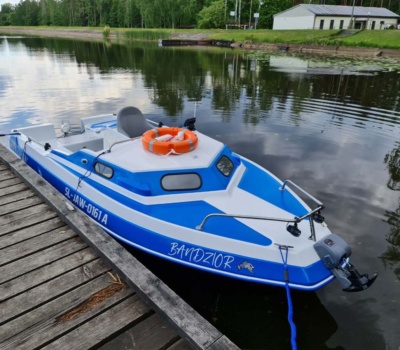
Renovation of the Spanish motorboat Ducauto caribe. “Cut in half, gutted and made according to
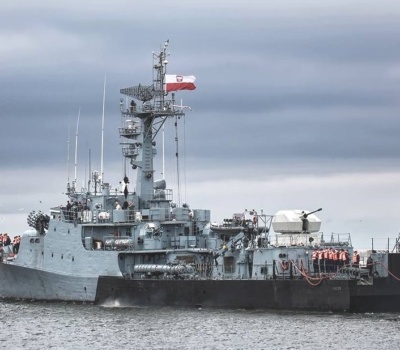
Cosmetics Sea-Line use in Polish Army for cleaning and protect Sea Gun AM35 on „ORP
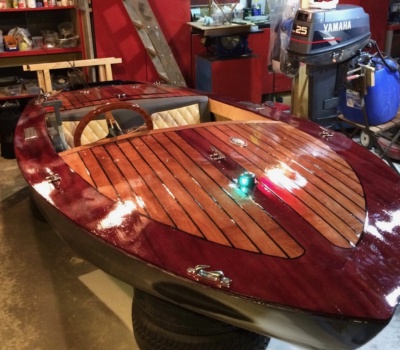
Mr. Wojciech Ceiślik, boatbuilder Glen-L Squirt: „I recommend Sea-Line products to everyone who builds and
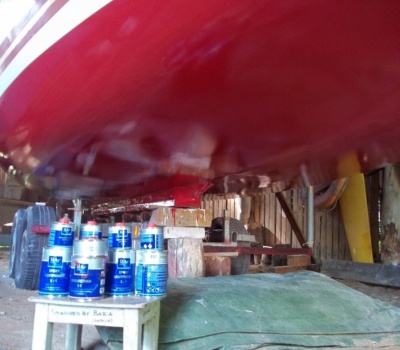
„… It was not easy, hard job on knees with mask and glasses. Feeling like
Yes, you can paint the bottom of the boat with polyurethane paint due to its high mechanical strength. We recommend this solution when the boat is not launched for a long time and is not exposed to fouling.
We recommend to always sand the surface between applying two different products to ensure uniform surface roughness and adhesion of subsequent layers. The sanded surface should also be cleaned and degreased.
Troton Sp z o.o.
78-120 Gościno
Ząbrowo 14A
Polska
Sąd Rejonowy w Koszalinie IX Wydz. KRS 0000187692;
Kapitał zakładowy 8 215 000 PLN


 Facebook
 YouTube
 Instagram
 Guide
Guide Contact
 Newsletter