Wyszukaj na stronie

In the autumn even richer palette of colors – gray polyurethane yacht now available

Alreadyin Novemberpalette of colors Sea-Line gainedgray -RAL7000. Graypolyurethaneis perfectly suitedtothe sideof sailing yachts, motorboats, catamaransandfishingboats.

In combinationwith powderpaintgraynon-slipyacht marinaisrecommended fordecksandstair treads.
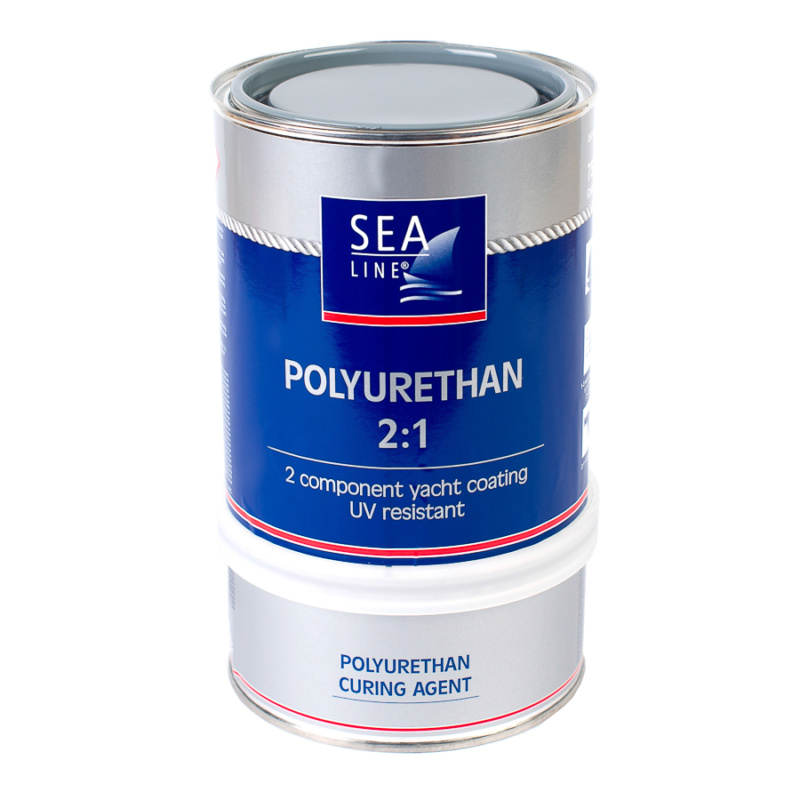
In the autumn even richer palette of colors – gray polyurethane yacht now available

Also check

Our FAQ answers to frequently asked questions

Why despite the use of antifouing paint the bottom of the boat is overgrown?

Possible causes

  • Too thin layer of antifouling paint,
  • Choosing the wrong antifouling to type of a boat or yacht
  • Thinning of antifouling paint,
  • Incorrect surface preparation before antifouling application.

How to prevent

  • Apply the right layer thickness of paint indicated by manufacturer,
  • Choose antifouling dedicated to type of boat or yacht and suitable for the type of water,
  • Do not thin antifouling because of the risk of reducing effectiveness,
  • Careful surface preparations (grinding, clearing, degreasing),

How to remove

  • Wet grinding, apply new layers of antifouling paint.
  • Use C1 shell and fouling remover.

Can I paint a boat, previously painted with 1 component paint, with polyurethane?

It is not recommended to apply 2K paints over 1K paints. 1K and 2K inks differ in their composition and properties, including hardness, chemical resistance and durability. 1K paints are one-component and dry by evaporating the solvent, while 2K paints are two-component and need to be cured by adding a hardener. Applying 2K paint over 1K paint can cause unpredictable chemical reactions and lead to undesirable effects such as dulling, chipping or flaking of the paint. Therefore, always use paints according to the manufacturer’s instructions and do not mix different types of paints. farby zgodnie z instrukcjami producenta i nie mieszać różnych rodzajów farb.

Why the paint does not have the right flow?

Possible causes

  • No thinning, wrong thinner or wrong amount of thinner
  • Wrong type of roll or brush (wrong bristle lenght)
  • Applying too much or too Little paint,
  • During painting process temperature was too high or the air was too dry,
  • Incorrect preparation of too porous surface,
  • Incorrect proportion of thinner.

How to prevent

  • Use a brush/Toller suited to the type of surface or paint,
  • Use thinner which is dedicated to the type of application and paints
  • Use thinning proportions which was indicated by manufacturer,
  • Paint in right atmosphere conditions indicated by manufacturer,

How to remove

  • Grind, clean and paint again.
Wyjście
Przeiń na górę