It is very important to use paint thinners, which provide the appropriate parameters of paint – flow, pot life, time of drying.
| Capacity | Code |
|---|---|
| 750 ml | 300008397 |
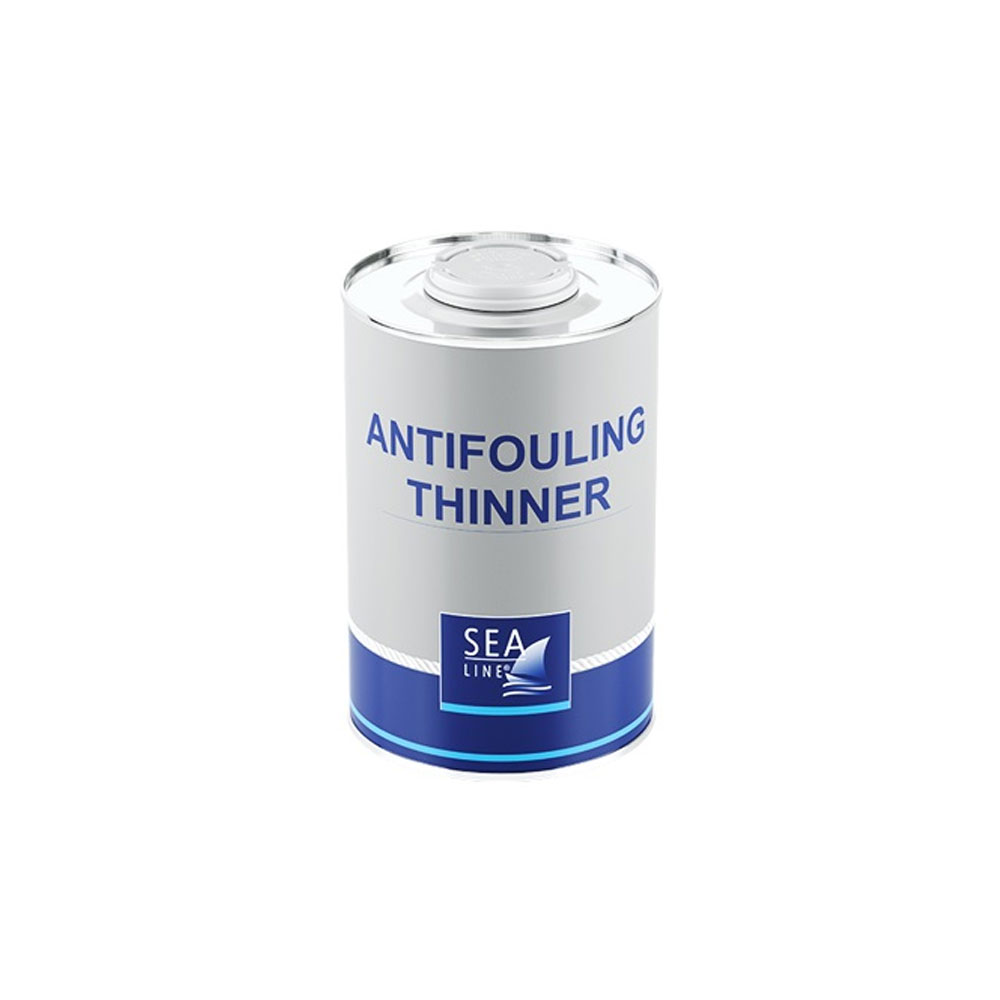
ANTIFOULING THINNER is designed for thinning:
Using the appropriate thinner recommended by the manufacturer is not only about ensuring the correct technical parameters during application. The use of a thinner containing different chemical compounds will fundamentally change the structure of chemical bonds, thereby altering the final effect of Sea-Line® antifouling protection.
ANTIFOULING THINNER is a mixture of carefully selected solvents. The product designed for thinning Sea-Line® antifouling paints allows obtaining a product with strictly defined parameters. It ensures their proper application and drying.
ANTIFOULING THINNER can also be used to clean painting tools from residues of antifouling paints.
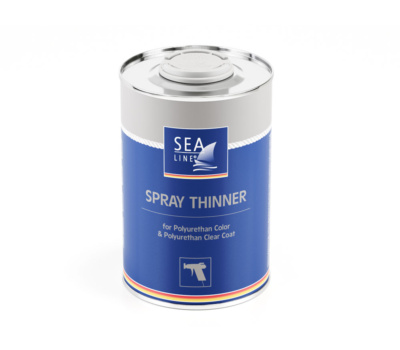
Spray thinner for polyurethane color and high gloss polyurethane clear coat. Thinner for the application
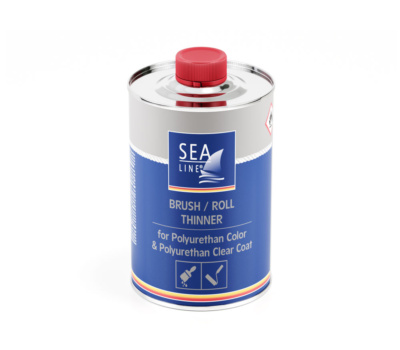
Brush and roll thinner for polyurethane color and high gloss polyurethane clear coat. Thinner for
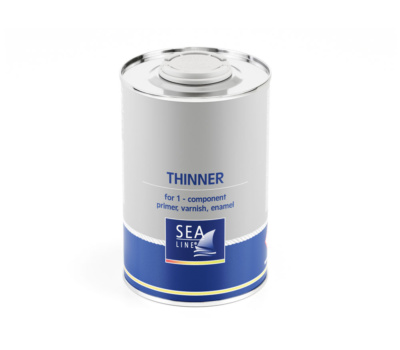
It is very important to use paint thinners, which provide the appropriate parameters of paint
There is a possibility of thinning antifouling, but we do not recommend this procedure due to the risk of reducing the effectiveness of the paint. If it is necessary to thin the antifouling paint, it is recommended to dilute it to a maximum of 0-5% (by volume).
Troton Sp z o.o.
78-120 Gościno
Ząbrowo 14A
Polska
Sąd Rejonowy w Koszalinie IX Wydz. KRS 0000187692;
Kapitał zakładowy 8 215 000 PLN


 Facebook
 YouTube
 Instagram
 Guide
Guide Contact
 Newsletter