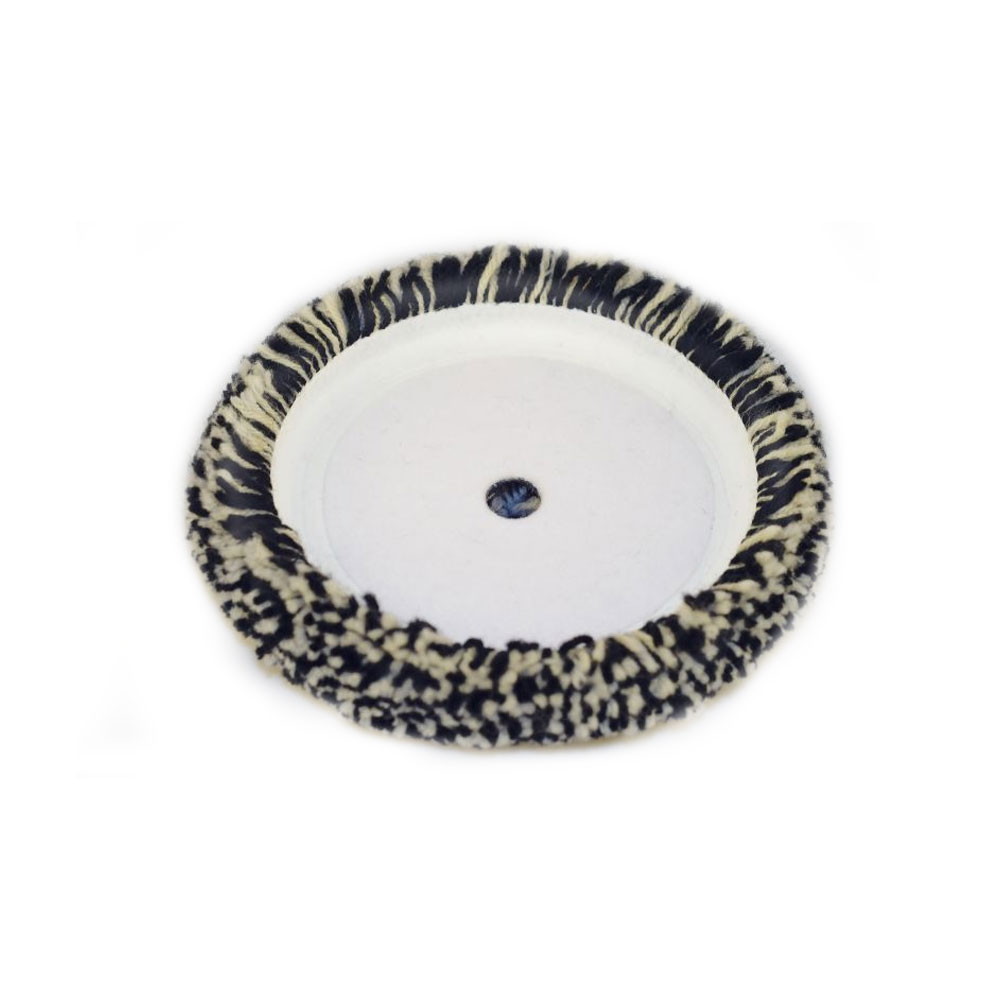
One-sided heads from the Long Life series are made of 100% premium natural sheep wool. They are characterized by high wear resistance – this means that the pad is more efficient than traditional furs, which means it can be used longer without the need for replacement.
They do not discolor – the product is resistant to discoloration, which means it will not leave stains on polished surfaces. Twisted strands – ensure consistent work across the entire surface without the risk of surface damage. Larger diameter and maximized fiber density – this product provides a larger polishing surface and optimal performance. Flexible base and soft rounded edges – facilitate work on highly profiled surfaces.
An ideal tool for polishing tool coatings, PU varnishes, and lacquers.
| Size | Color | Polishing heads recommended attachment | Code |
|---|---|---|---|
| ∅ 200 mm | white - black | Universal – ∅150 | 300010151 |
| Dedicated polishing paste | recommended | optional |
|
|
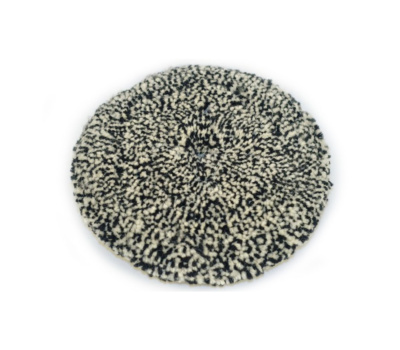
The heads from the Long Life series are made of 100% premium natural sheep wool.
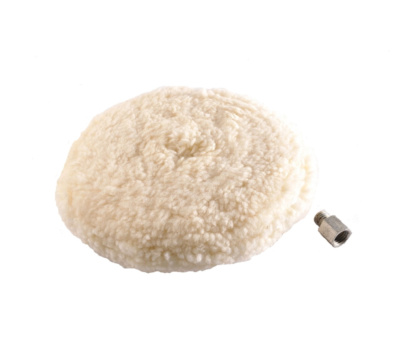
Double-sided polishing wool is made from 100% natural wool. Ideal for removing scratches and mates
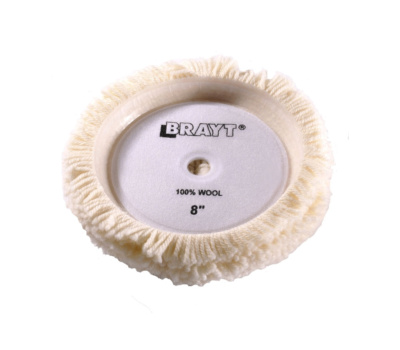
One side polishing wool made from 100% natural wool. Ideal for removing scratches and mates
Yes, you can paint the bottom of the boat with polyurethane paint due to its high mechanical strength. We recommend this solution when the boat is not launched for a long time and is not exposed to fouling.
Troton Sp z o.o.
78-120 Gościno
Ząbrowo 14A
Polska
Sąd Rejonowy w Koszalinie IX Wydz. KRS 0000187692;
Kapitał zakładowy 8 215 000 PLN


 Facebook
 YouTube
 Instagram
 Guide
Guide Contact
 Newsletter